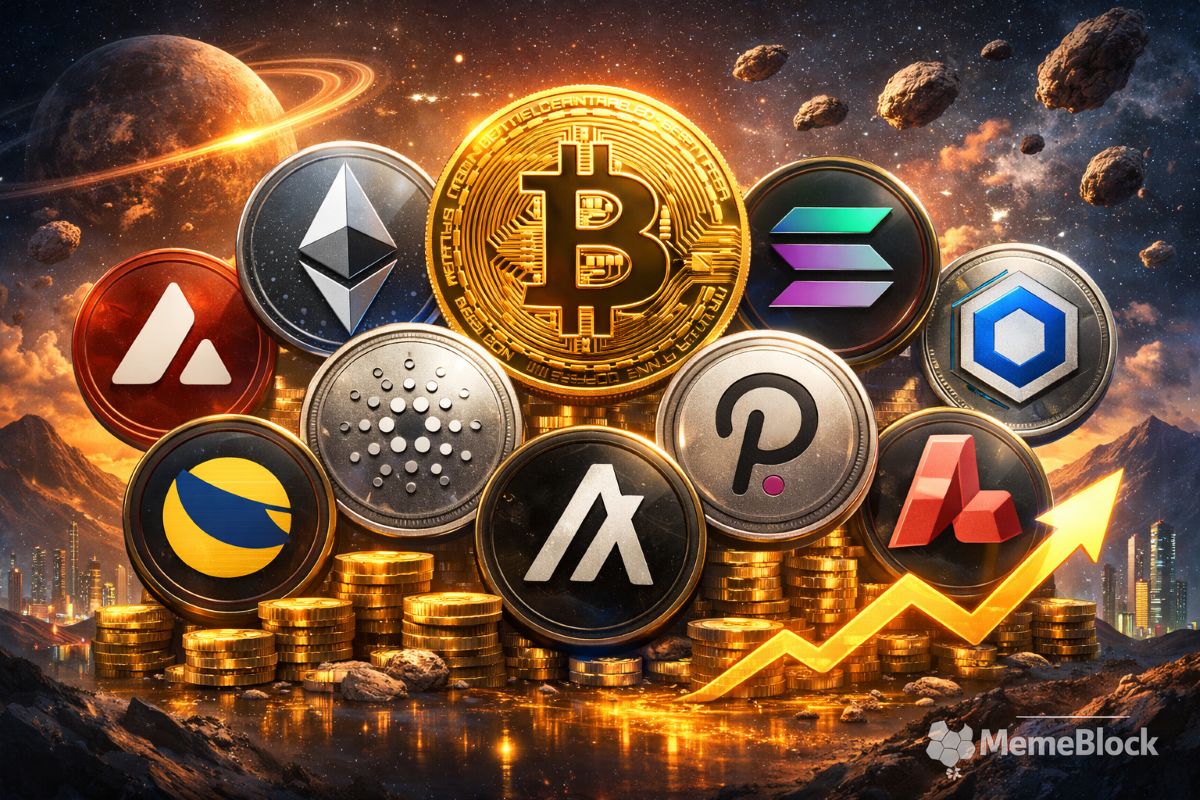
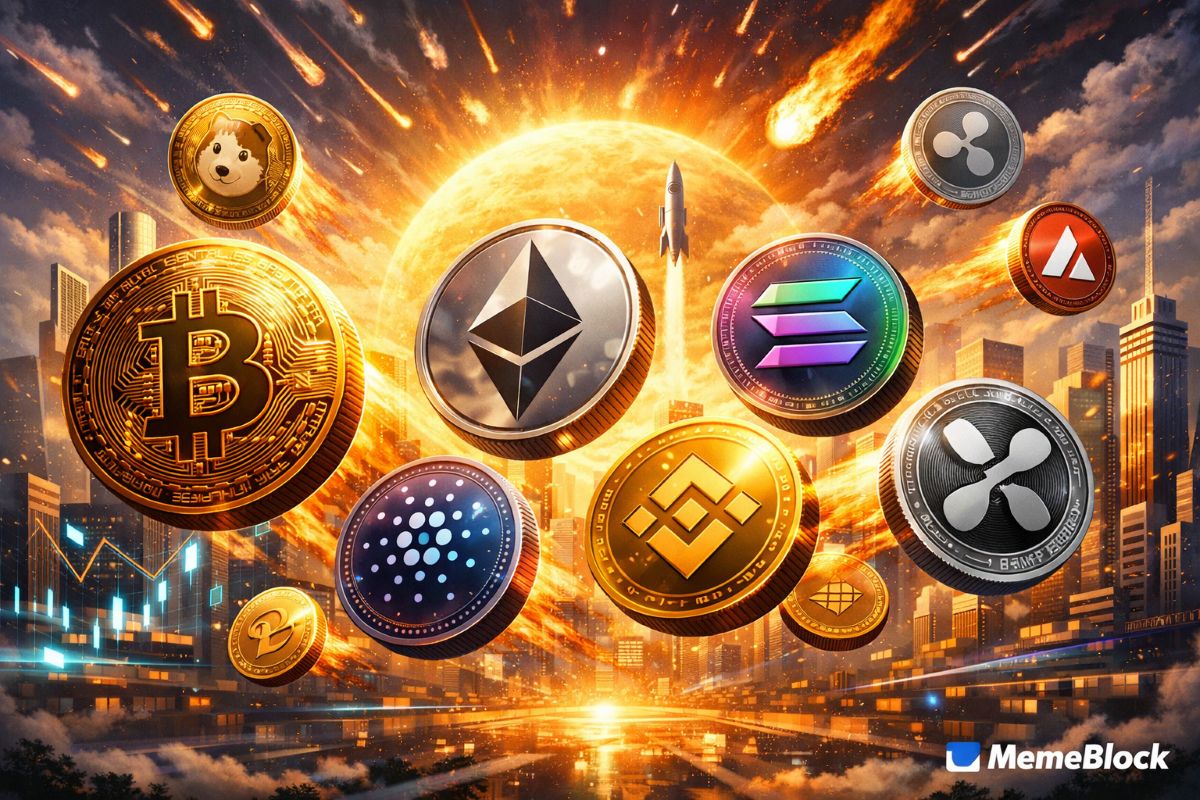
Layer-1 blockchains power the decentralized web; they validate transactions, host smart contracts, and set the foundation for wallets, DeFi, and NFTs. Below is a crisp, SEO-friendly listicle of the Top 10 Layer-1 blockchain networks in 2025, what each does best, and quick pointers for developers and investors. (Rankings and descriptions are based on current market data and network developments.)
1. Ethereum (ETH): The smart-contract standard
Why it’s top: largest smart-contract ecosystem, active developer tooling, and renewed institutional interest. Ethereum’s move to proof-of-stake and growing on-chain activity keep it central to dApps and DeFi.
2. Bitcoin (BTC): Layer-1 store of value
Why it’s top: the original L1. Best for security and dominance as digital gold; not primarily for smart contracts, but critical to the crypto market cap landscape.
3. Binance Smart Chain (BNB): High throughput & low fees
Why it’s top: strong exchange integration, broad DeFi and NFT ecosystems, and low transaction costs that attract retail activity.
4. Solana (SOL): Speed and cheap microtransactions
Why it’s top: extremely fast block times and low fees, widely used for trading, gaming, and NFT drops, strong on-chain throughput for high-frequency apps.
5. Avalanche (AVAX): Subnet flexibility
Why it’s top: consensus that supports subnets and custom networks (good for enterprise and regional chains), with strong DeFi primitives and bridging tools.
6. Cardano (ADA): Research-driven and sustainable
Why it’s top: peer-reviewed roadmap, an emphasis on formal verification and energy-efficient consensus, popular with institutional and academic projects.
7. Tron (TRX): High adoption in payments & media
Why it’s top: fast, low-cost transactions and a large user base for media and payments-oriented dApps; strong TVL in some DeFi niches.
8. Polkadot (DOT): Interoperability and parachains
Why it’s top: designed for cross-chain communication and customizable parachains; a go-to for projects that want modularity and shared security.
9. Aptos (APT): New-gen Move language L1
Why it’s top: modern architecture built on the Move smart-contract language, strong developer momentum, and recent integrations that expand lending and staking ecosystems.
10. Sui (SUI): Parallel execution for scale
Why it’s top: object-centric model and parallel transaction execution designed for low latency and gaming/consumer dApps; gaining exchange and derivatives support.
How to pick the right L1 (quick guide)
- If you need maximum decentralization and a dApp ecosystem → Ethereum.
- If you need raw speed & low fees → Solana or Tron.
- If you want cross-chain composability, → Polkadot or Avalanche subnets.
- For novel developer stacks (Move) → Aptos / Sui.
FAQs
Q: Are Bitcoin and Ethereum both Layer-1 blockchains?
Yes, both are L1s. Bitcoin focuses on store-of-value and security; Ethereum focuses on smart contracts and dApps.
Q: Which L1 is best for NFTs and gaming?
Solana, Sui, and Aptos are popular choices for game and NFT projects because of speed and low fees; Avalanche subnets are also used where customizability matters.
Q: Should I invest in L1 tokens?
L1 tokens carry protocol, adoption, and market risk. Research TVL, developer activity, tokenomics, and roadmap before investing. Use reputable exchanges and consider diversification.