In the fast-moving crypto market, tokenomics, or how a cryptocurrency manages supply, demand, incentives, and distribution, can make or break a project. Strong tokenomics typically include limited or controlled supply, staking incentives, burn mechanisms, fair distribution, and real utility.
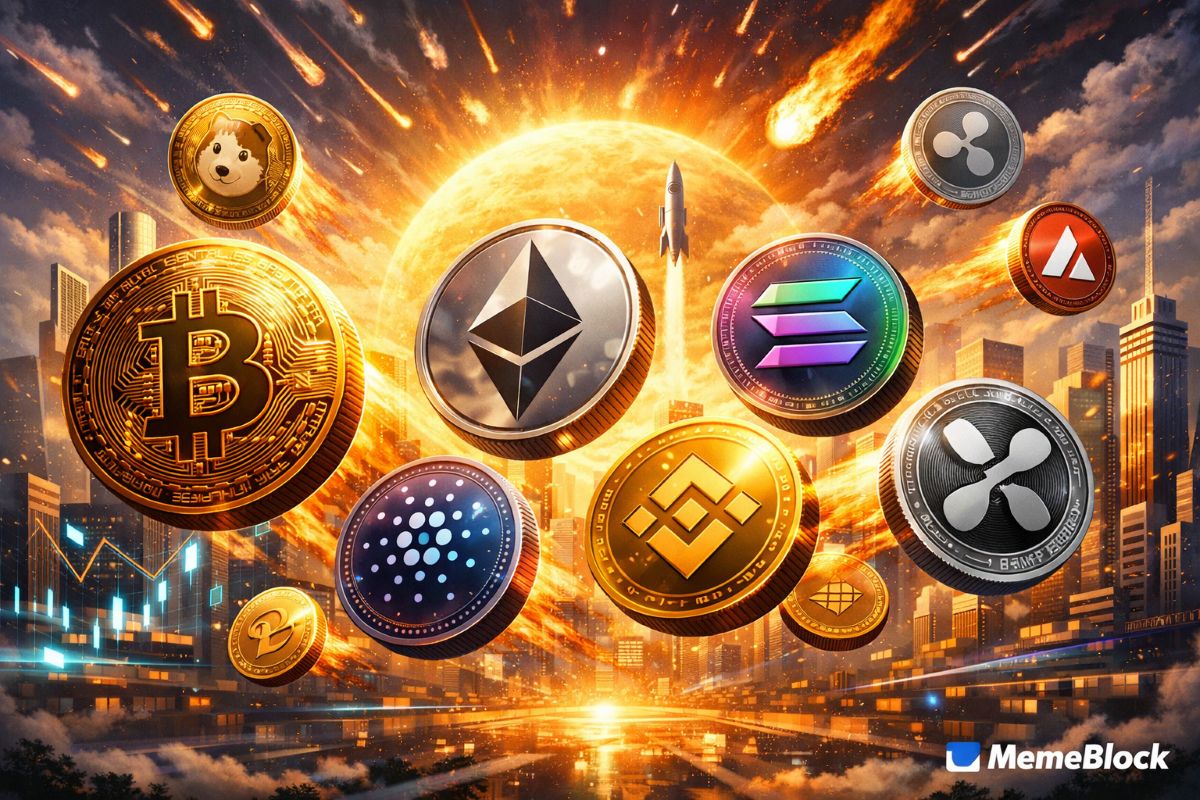
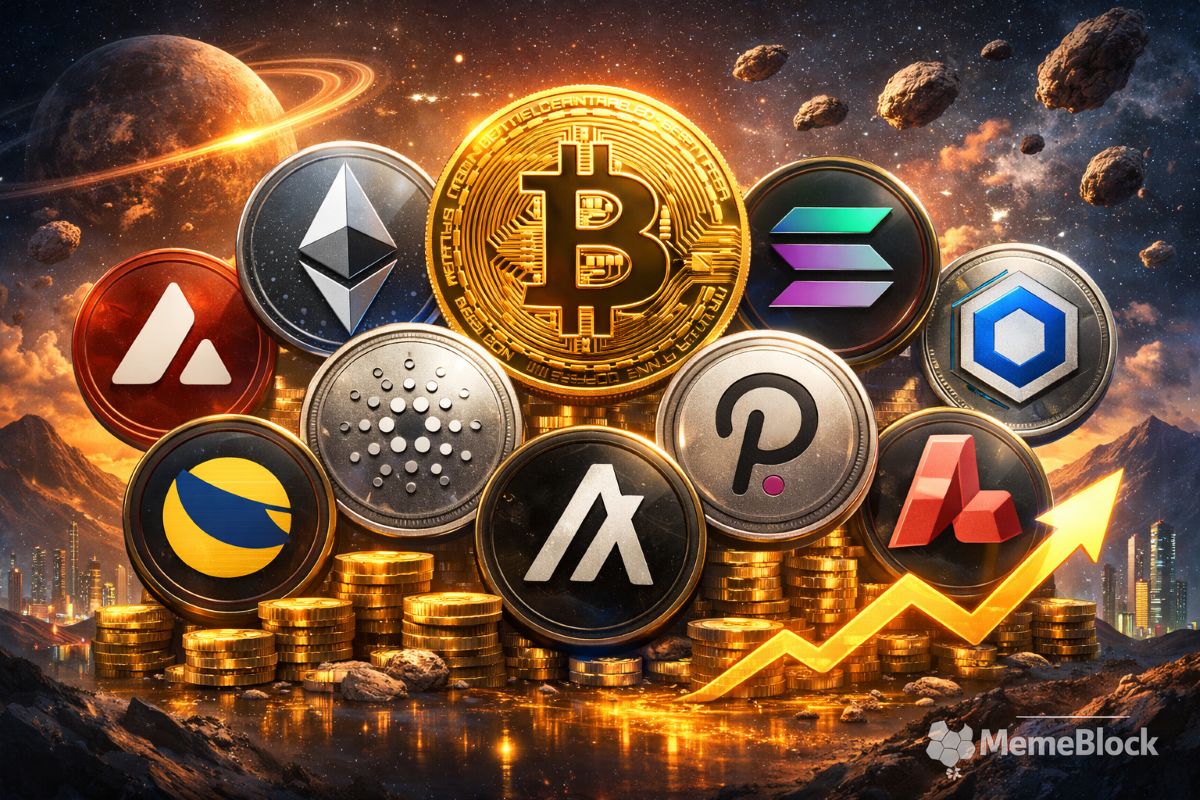
Here’s a data-driven list of the top 10 cryptocurrencies with the best tokenomics in 2026, based on real-world usage, sustainability, and economic design.
1. Bitcoin (BTC): The Gold Standard of Scarcity
Bitcoin remains unmatched in tokenomics simplicity and strength. With a fixed supply cap of 21 million coins, it creates digital scarcity similar to gold.
Its predictable issuance through halving cycles ensures long-term value preservation, making BTC the benchmark for sound token design.
2. Ethereum (ETH): Deflationary Smart Contract Giant
Ethereum transformed its tokenomics with proof-of-stake and fee burning (EIP-1559). A portion of transaction fees is permanently removed from circulation, reducing supply over time.
Combined with staking locks, ETH can become deflationary during high network activity.
3. Cardano (ADA): Structured and Transparent Supply Model
Cardano offers a capped supply of 45 billion ADA with a treasury-driven ecosystem.
Its tokenomics emphasize predictable issuance and decentralized governance, making it appealing for long-term investors.
4. Solana (SOL): Balanced Inflation With Burn Mechanism
Solana uses a declining inflation model combined with fee burning, tightening supply as adoption grows.
High-stakes participation further reduces circulating supply, strengthening its economic model.
5. Avalanche (AVAX): Aggressive Fee Burning Strategy
Avalanche stands out by burning 100% of transaction fees, directly reducing supply over time.
With a capped supply of 720 million tokens, AVAX creates a strong deflationary pressure mechanism.
6. Polkadot (DOT): Incentive-Driven Ecosystem Growth
Polkadot uses dynamic inflation to incentivize staking and network security.
Its token is deeply integrated into governance, parachain auctions, and staking, ensuring continuous utility.
7. Chainlink (LINK): Utility-Backed Oracle Tokenomics
Chainlink’s tokenomics revolve around real utility powering decentralized oracle networks.
Staking and node incentives ensure long-term sustainability while maintaining a capped supply.
8. Polygon (MATIC): Scalable Ecosystem With Fixed Supply
Polygon combines a fixed supply of 10 billion tokens with staking and ecosystem incentives.
Its role in scaling Ethereum adds strong demand-side economics.
9. Arbitrum (ARB): Community-Centric Token Distribution
Arbitrum gained attention for its large community airdrop and DAO treasury allocation.
Its tokenomics focus on decentralization, governance, and long-term ecosystem funding.
10. Cosmos (ATOM): Adaptive Inflation for Network Security
Cosmos uses a flexible inflation rate tied to staking participation, typically between 7% and 20%.
This dynamic approach ensures network security while balancing supply growth.
What Makes These Cryptocurrencies Stand Out?
The projects above share key tokenomic strengths:
- Supply control: Fixed caps or decreasing inflation
- Burn mechanisms: Reducing circulating tokens
- Staking incentives: Locking supply and securing networks
- Utility-driven demand: Real-world applications
- Transparent distribution: Avoiding centralization risks
Projects lacking these elements often struggle with volatility or long-term sustainability.
Final Thoughts: Why Tokenomics Matters in 2026
As crypto matures, hype alone no longer drives value. Investors are increasingly focusing on sustainable token design and real utility.
Coins like Bitcoin and Ethereum dominate because of strong economic fundamentals, while newer ecosystems like Arbitrum and Avalanche showcase innovation in distribution and deflation mechanisms.
If you’re evaluating long-term crypto investments, understanding tokenomics isn’t optional; it’s essential.