The Ethereum network has experienced a dramatic decline in gas fees, dropping to as low as 0.067 Gwei, the lowest level recorded in over two years. While this drop signals reduced network congestion and improved scalability, it also raises concerns about Ethereum’s revenue generation and the economic sustainability of its validator ecosystem
Gas Fees Hit Record Low as Activity Cools
Ethereum’s gas fee, the transaction cost paid to validators for processing operations on the blockchain, typically reflects the balance between network demand and block space availability. The current figure of 0.067 Gwei marks a steep drop from the multi-Gwei levels seen during periods of heightened activity in late 2024.
On-chain data shows that the decline correlates with a slowdown in decentralized finance (DeFi), NFT transactions, and Layer-2 bridging activity. Daily active users across several major decentralized applications have fallen by approximately 22% month-over-month, suggesting a cooling period in network demand.
While Ethereum’s upgrades and Layer-2 integrations have enhanced scalability, the resulting efficiency has compressed transaction costs more sharply than expected, leading to lower network fee revenue, a key concern for validators and long-term holders.
Efficiency or Warning Sign?
Low gas fees can be seen as both a success and a warning for Ethereum. On one hand, it highlights the network’s growing technical maturity; rollups and proto-danksharding have made transactions faster and cheaper. On the other hand, falling fee revenue may strain Ethereum’s validator incentives and deflationary burn mechanism under EIP-1559.
Ethereum’s burn rate, which automatically destroys a portion of gas fees to make ETH deflationary, has significantly declined. Analysts note that the network’s net issuance could turn inflationary if fees remain suppressed for a prolonged period.
“The drop in gas fees is a double-edged sword,” said one blockchain analyst. “It’s great for users but could impact Ethereum’s economic engine, since validators earn less and the burn rate slows, reducing ETH’s scarcity narrative.”
Layer-2 Surge Reshapes the Economics
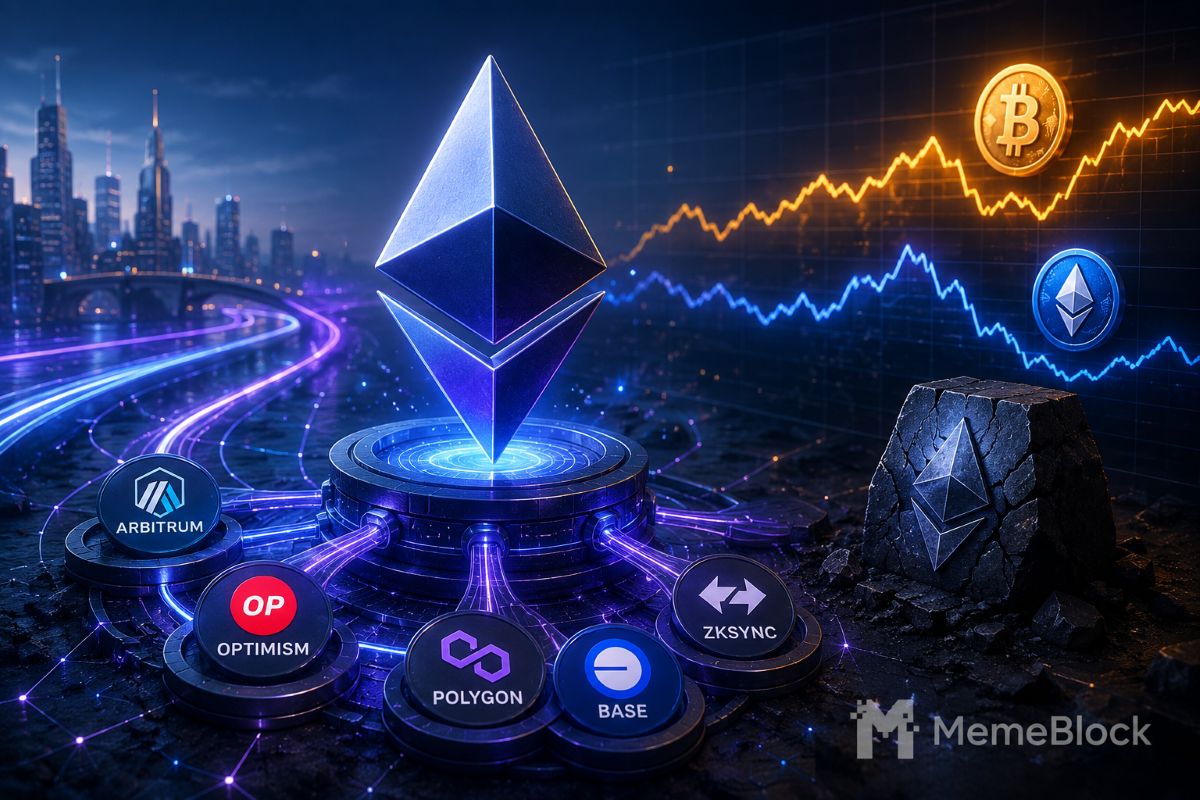
Ethereum’s Layer-2 networks, such as Arbitrum, Base, and Optimism, have absorbed a large share of user activity. These networks settle transactions back to the Ethereum mainnet at a fraction of the cost, effectively offloading volume. While this improves scalability, it also diverts fee revenue from the Layer-1 base chain.
Experts argue that this structural change represents Ethereum’s evolution from a monolithic chain to a modular ecosystem, where economic value accrues across multiple layers rather than the base protocol alone. However, this shift may reduce direct L1 income in the short term.
Potential Implications for ETH Holders
With gas revenue falling, Ethereum’s long-term value proposition increasingly hinges on ecosystem growth and institutional adoption rather than scarcity driven by burns. The short-term effect may lead to softer staking yields and potential downward pressure on validator profitability.
Still, some analysts see the drop as a healthy normalization phase. Lower fees make Ethereum more attractive for developers, DeFi projects, and enterprise applications, paving the way for broader adoption that could stabilize revenue over time.
What’s Next
- Fee normalization: Watch whether gas prices rebound as market activity increases or stabilize around lower averages due to Layer-2 dominance.
- Validator economics: Expect research and governance proposals addressing staking rewards and issuance adjustments.
- Market response: Investors may interpret the gas drop as a short-term lull rather than structural weakness if usage metrics recover.
- Upcoming catalysts: Ethereum’s next scaling phase and institutional integration could shift the network’s revenue model toward sustained utility over scarcity.
FAQs
Q1: Why did Ethereum gas fees drop so low?
The decline stems from reduced network congestion, expanded Layer-2 adoption, and increased transaction efficiency from protocol upgrades.
Q2: Is low gas good or bad for Ethereum?
It’s mixed, it benefits users by reducing costs but may hurt validator revenue and reduce the ETH burn rate, potentially impacting the asset’s deflationary model.
Q3: How do Layer-2 networks affect Ethereum’s gas fees?
Layer-2 rollups execute transactions off-chain, compressing multiple operations into one mainnet settlement. This efficiency cuts costs but also reduces total L1 gas volume.
Q4: Could Ethereum become inflationary again?
If gas fees remain consistently low, fewer ETH tokens are burned under EIP-1559, which could make issuance exceed burns, temporarily turning ETH inflationary.
Q5: What does this mean for Ethereum investors?
It may signal a transitional phase where value shifts from scarcity to ecosystem growth. Long-term holders should monitor staking yields, burn metrics, and network demand.