The Ethereum network has reached a historic milestone, recording an unprecedented 24,192 transactions per second (TPS) across its ecosystem. This achievement marks a significant leap in scalability and performance, driven by the widespread adoption and integration of Layer-2 (L2) scaling solutions that enhance Ethereum’s throughput while maintaining decentralization and security.
Record-breaking performance
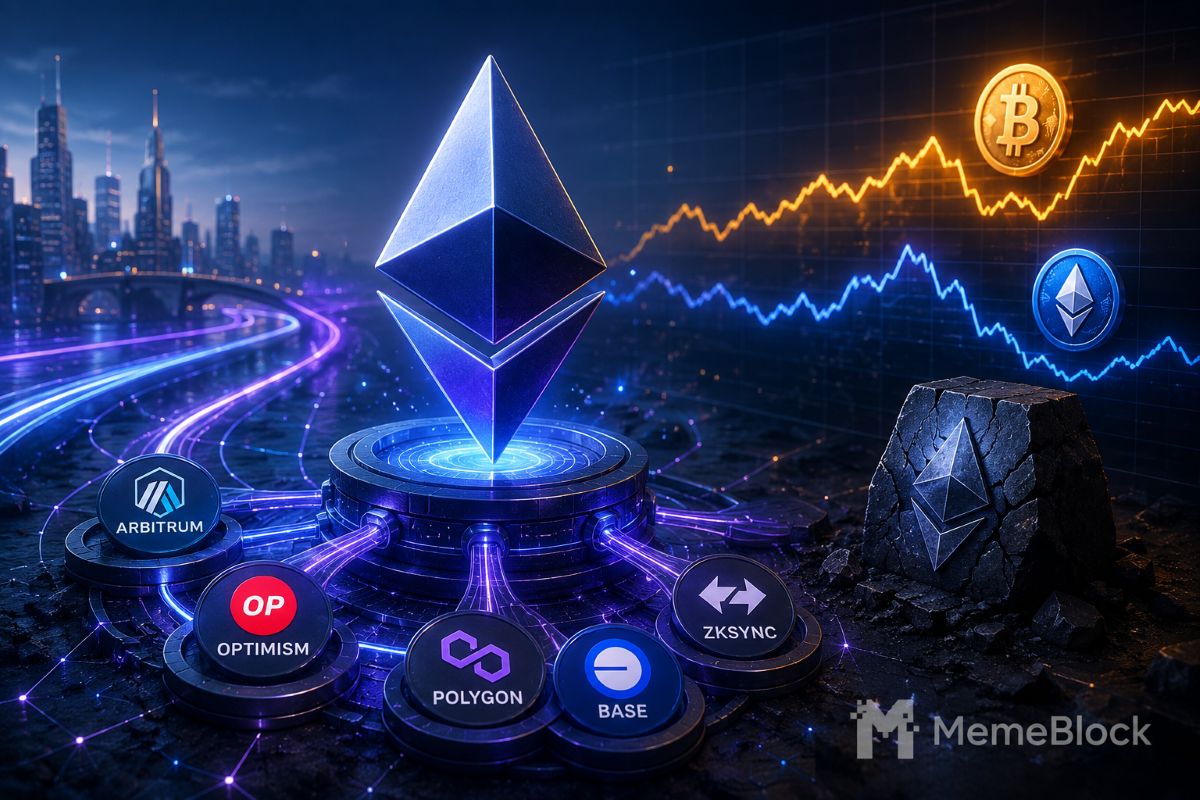
The surge in Ethereum’s transaction capacity stems from the growing efficiency of L2 rollups and zero-knowledge (ZK) scaling technologies. Networks such as Arbitrum, Optimism, Base, and newer entrants like Lighter have been instrumental in distributing transactional load off-chain before finalizing batches on Ethereum’s mainnet.
This decentralized scaling approach has allowed Ethereum to achieve massive throughput gains without compromising its consensus integrity. Recent upgrades under the “Pectra” and “Dencun” frameworks have further improved rollup performance, reducing gas fees and enabling seamless interoperability between L2s and the main Ethereum chain.
At its recent peak, the ecosystem-wide activity across these rollups and sidechains reached over 24,000 TPS, positioning Ethereum among the fastest and most efficient blockchain networks globally.
Why this milestone matters
- Proof of scalability: Ethereum’s long-term goal has been to scale while preserving decentralization. Hitting 24,192 TPS demonstrates real progress toward that goal.
- Layer-2 dominance: The majority of this performance boost comes from L2 activity rather than mainnet transactions, validating the multi-layer approach to scaling.
- Ecosystem maturity: More developers are deploying decentralized applications (dApps) directly on rollups, creating a self-sustaining ecosystem of interconnected L2 platforms.
- Competitive edge: With these advancements, Ethereum now rivals other high-throughput blockchains while maintaining a robust security model and broad developer adoption.
Challenges and sustainability
While Ethereum’s new throughput record is impressive, maintaining it consistently remains a challenge. Achieving peak TPS during high-activity windows is one thing; sustaining it over time requires network stability, developer collaboration, and continued infrastructure optimization.
Another consideration is value capture, determining how much of this scaling success directly benefits ETH holders and the Ethereum mainnet. Since most of the transaction activity occurs on L2s, some critics argue that fee and revenue distribution may shift away from the base layer unless carefully balanced.
Moreover, bridging security and interoperability remains a key focus area. As multiple rollups and sidechains operate simultaneously, ensuring seamless cross-chain communication without vulnerabilities will be essential to maintaining trust in the ecosystem.
The road ahead
The next phase for Ethereum involves consolidating its L2 landscape and improving user accessibility. Efforts are underway to streamline wallet connections, reduce bridging friction, and enhance user experience across L2 networks.
Upcoming protocol updates aim to improve data availability through sharding and further reduce gas costs for rollups. Developers also expect enhanced tools for monitoring network health and throughput, ensuring continued transparency as Ethereum scales globally.
This breakthrough strengthens Ethereum’s reputation as the foundation for decentralized finance (DeFi), gaming, non-fungible tokens (NFTs), and enterprise blockchain solutions. It also signals to the broader industry that Ethereum’s long-promised scalability is becoming a tangible reality.
FAQs
Q: What does 24,192 TPS mean for Ethereum?
It means that the combined throughput of Ethereum’s mainnet and its Layer-2 networks can now process more than 24,000 transactions per second, significantly improving scalability.
Q: What are Layer-2 networks, and how do they help Ethereum scale?
Layer-2 networks process transactions off-chain and then post proofs or summaries to Ethereum’s mainnet, increasing efficiency, lowering fees, and improving speed without compromising security.
Q: Does this mean Ethereum’s gas fees are gone?
Not entirely. While gas fees on the mainnet may persist during peak demand, Layer-2 networks greatly reduce transaction costs and offer near-instant confirmations.
Q: How does this make Ethereum competitive with other blockchains?
This scaling achievement brings Ethereum’s performance closer to high-speed blockchains while maintaining its security, decentralization, and vast developer ecosystem.
Q: Is this throughput sustainable?
Sustaining 24,000 TPS depends on continued optimization, stable Layer-2 adoption, and upcoming upgrades designed to make high throughput consistent over time.
Q: What’s next for Ethereum scaling?
Future upgrades like further data sharding and cross-rollup interoperability will enhance performance, ensuring Ethereum remains the leading smart contract platform for global adoption.