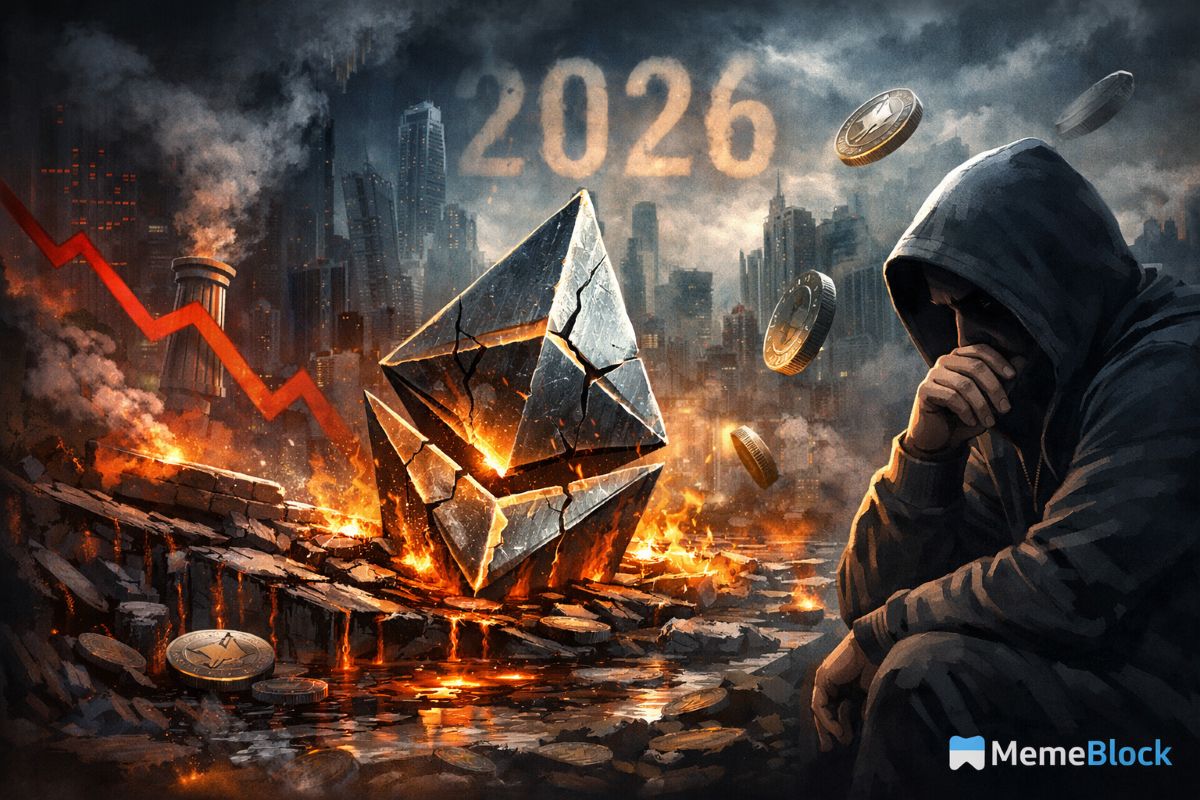
The debate around Ethereum has taken a sharp turn in 2026 after a prominent crypto analyst, Ansem, stated that the asset is now in a weaker position than it was in 2023. His remarks have sparked widespread discussion across the digital asset market, raising concerns about Ethereum’s long-term value proposition, market dominance, and evolving competition.
Ethereum Outlook 2026: Why Analysts Say the Thesis Is Weakening
Ansem’s core argument is straightforward: Ethereum’s investment thesis has gradually deteriorated over the past few years. He claims that the factors that once made ETH compelling dominance in decentralized finance (DeFi), institutional interest, and network security are now under pressure.
According to recent reports, Ethereum is facing declining confidence due to multiple structural challenges, including reduced growth momentum in key sectors and rising competition from alternative blockchains.
Rising Competition From Solana and Emerging Platforms
One of the biggest concerns highlighted is Ethereum’s loss of retail dominance to faster and cheaper networks like Solana. Analysts note that Solana has captured a significant share of user activity during the current market cycle, particularly among retail traders.
Additionally, newer platforms specializing in derivatives and perpetual futures trading, such as Hyperliquid, are pulling liquidity away from Ethereum-based ecosystems. This fragmentation weakens Ethereum’s once-central role in the crypto economy.
DeFi Risks and Security Concerns Weigh on Sentiment
Ethereum’s DeFi ecosystem, once its strongest pillar, is also facing increased scrutiny. A wave of high-profile exploits and hacks in 2026 has shaken investor confidence across the sector.
Data shows that crypto protocols lost over $600 million in April 2026 alone, marking one of the worst months for DeFi security breaches in recent history.
These incidents directly challenge Ethereum’s reputation as the most secure smart contract platform, a key element of its long-standing thesis. As DeFi trust erodes, so does Ethereum’s perceived reliability.
Weak Rollup Adoption and Scaling Concerns
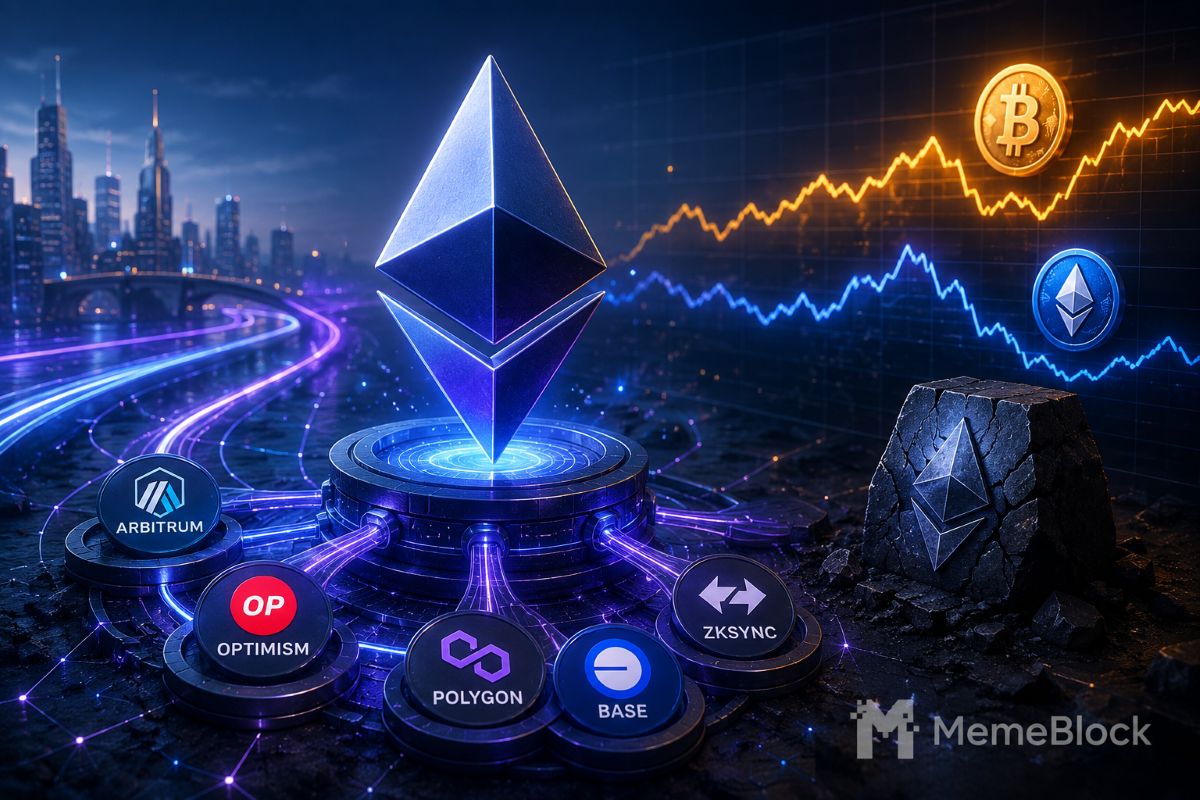
Another major issue raised is the slower-than-expected adoption of rollups and Layer-2 scaling solutions. While Ethereum has invested heavily in rollup-centric scaling, analysts argue that real-world traction remains underwhelming.
Some critics also point to shifting narratives within the Ethereum ecosystem itself, suggesting that earlier scaling visions are evolving or being reconsidered.
Without strong scaling adoption, Ethereum risks losing its edge in transaction efficiency compared to rival chains.
Price Pressure and Market Sentiment in 2026
Market sentiment around Ethereum has also turned cautious. Analysts warn that ETH could face continued downside pressure if key resistance levels fail to hold.
Technical indicators show Ethereum struggling to break above major resistance zones, with potential downside targets emerging if bearish momentum continues.
At the same time, broader macro trends, including the rise of AI stocks and traditional tech investments, are drawing capital away from crypto, further weakening Ethereum’s appeal.
Community Pushback and Bullish Counterarguments
Despite the bearish outlook, not everyone agrees with Ansem’s thesis. Many Ethereum supporters argue that the network still leads in developer activity, institutional adoption, and infrastructure maturity.
Some analysts also highlight Ethereum’s ongoing upgrades and long-term roadmap as reasons to remain optimistic. They believe that short-term challenges do not necessarily invalidate Ethereum’s broader role in the blockchain ecosystem.
Final Thoughts: A Critical Moment for Ethereum
The claim that Ethereum is in a worse position than in 2023 underscores a pivotal moment for the network. While competition, security concerns, and shifting narratives present real challenges, Ethereum remains a foundational layer of the crypto industry.
Whether the thesis truly weakens or evolves into something stronger will depend on how effectively the network adapts to these pressures in the coming years.