The race to bring memecoins into traditional finance has taken a bold turn as a proposed Pepe exchange-traded fund (ETF) tests whether Wall Street still has an appetite for high-risk, culture-driven crypto assets. While institutional interest in digital assets continues to expand, the timing of this filing raises questions about whether memecoin momentum is already fading.
Canary Capital Files First-Ever Pepe ETF
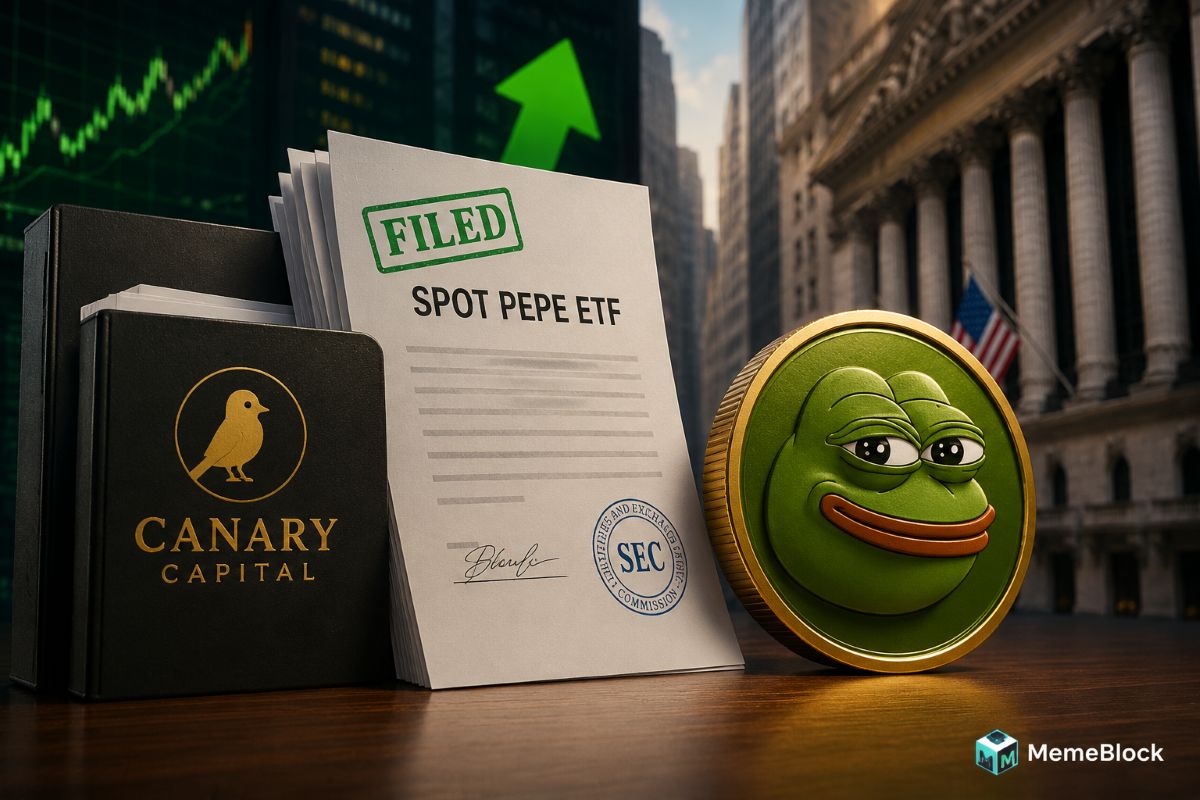
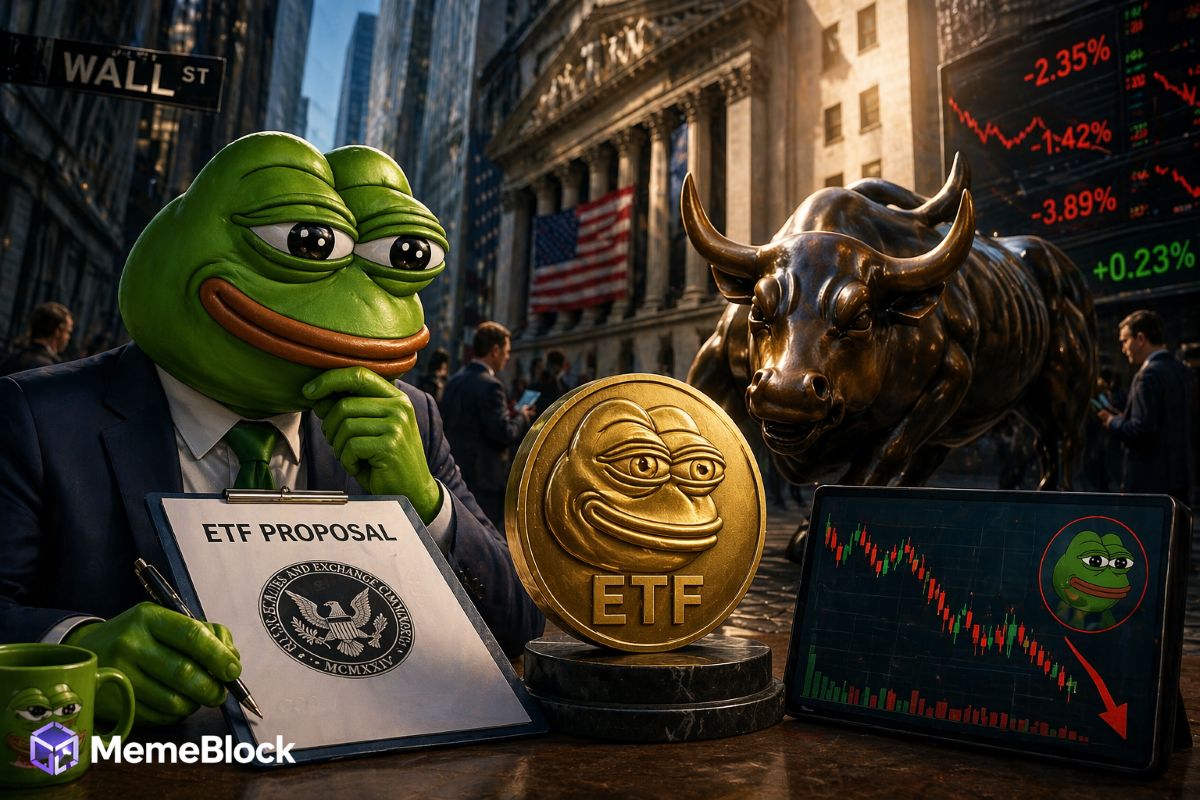
Asset manager Canary Capital recently filed with the U.S. Securities and Exchange Commission (SEC) to launch what could become the first spot ETF tracking the Pepe (PEPE) memecoin. Pepe (PEPE) The proposed fund would directly hold PEPE tokens, offering investors exposure through traditional brokerage accounts rather than crypto exchanges.
This move follows a broader trend of crypto financialization after the success of spot Bitcoin ETFs in 2024. Since then, dozens of crypto-related ETF applications have entered the pipeline, signalling increasing institutional involvement in digital assets.
Why a Memecoin ETF Matters
A Pepe ETF could lower the barrier to entry for retail and institutional investors alike. Instead of managing private keys or navigating decentralized platforms, investors could gain exposure through regulated markets.
For institutions, the appeal lies less in long-term fundamentals and more in volatility. Analysts note that memecoins like PEPE experience dramatic price swings, making them attractive for short-term trading strategies rather than traditional portfolio allocation.
There is also a cultural component. Memecoins derive value from internet trends and community engagement rather than utility. This makes them unique financial instruments, part asset, part social phenomenon.
Memecoin Demand Shows Signs of Fatigue
Despite the headline-grabbing ETF proposal, market reaction has been muted. PEPE’s price failed to rally significantly after the filing and even declined in the short term, reflecting cautious investor sentiment.
This aligns with a broader slowdown in memecoin enthusiasm. After explosive growth in 2024, many tokens have struggled to maintain momentum. PEPE itself remains significantly below its all-time highs, highlighting the volatility and fragility of the sector.
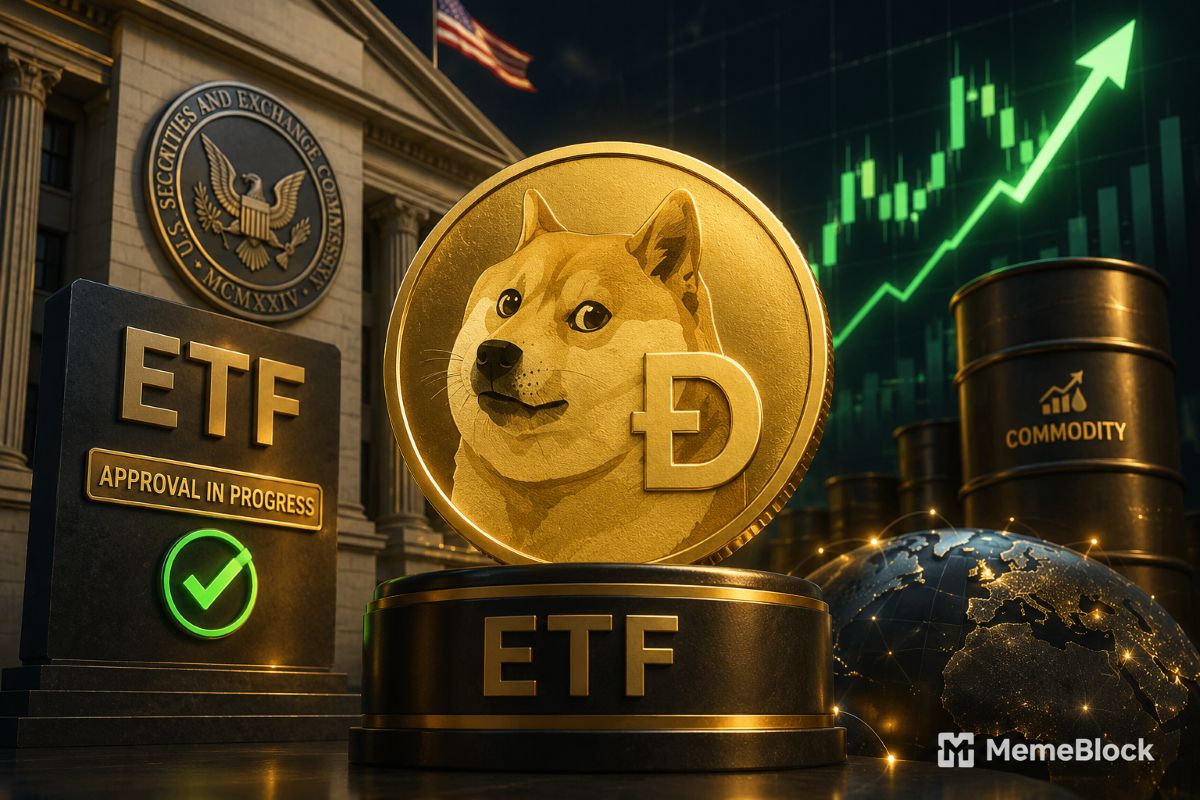
Even previous memecoin ETFs have underperformed expectations. For example, a Dogecoin ETF launch saw lower-than-anticipated trading volumes, suggesting limited sustained demand for such niche products.
Institutional Curiosity vs Retail Speculation
The Pepe ETF highlights a key divide in the market. Institutional players may view memecoins as speculative tools for capturing volatility, while retail investors are often driven by hype and cultural appeal.
However, the ETF structure could blur this line. By packaging memecoins into regulated financial products, firms like Canary Capital are effectively legitimizing assets that were once considered purely speculative.
Still, risks remain significant. Ownership of PEPE tokens is highly concentrated, with a small number of wallets controlling a large share of supply. This raises concerns about market manipulation and liquidity shocks, factors that traditional investors typically avoid.
Regulatory Uncertainty Looms Large
Approval from the SEC is far from guaranteed. While regulators have warmed to Bitcoin and Ethereum ETFs, memecoins present a different challenge due to their lack of intrinsic value and high volatility.
The outcome of this application could set a precedent for future memecoin ETFs. A green light would likely trigger a wave of similar filings, while a rejection could stall institutional expansion into this niche segment.
Final Outlook
The Pepe ETF proposal represents a critical test for both Wall Street and the memecoin market. On one hand, it signals growing institutional curiosity about unconventional crypto assets. On the other hand, it exposes weakening demand in a sector driven largely by hype.
Whether this ETF becomes a breakthrough product or a cautionary tale will depend on regulatory decisions and, more importantly, whether investors still believe in the staying power of memecoins in an increasingly mature crypto market.