Binance, the world’s largest cryptocurrency exchange, triggered a wave of trader attention by announcing the delisting of the SHIB/DOGE trading pair along with more than 20 other spot pairs, effective January 27, 2026, at 08:00 UTC. This move comes amid ongoing platform reviews focused on liquidity, trading volume, and broader market participation and highlights how speculative meme-driven assets are being reevaluated as institutional interest in memecoin ETFs remains muted and selective.
Delisting Details: What’s Being Removed
Binance’s latest update confirms that the SHIB/DOGE trading pair will cease operations alongside a slew of other market pairs that have shown weaker liquidity or lower engagement from professional traders. The full roster includes pairs across Bitcoin, DeFi, meme, and altcoin segments, such as BTC/UAH, COMP/BTC, TON/BTC, and several FDUSD markets reflecting Binance’s broader effort to concentrate liquidity on high-performing spot pairs.
Important to note: This action does not mean either SHIB or DOGE is delisted outright from Binance. Both assets will continue to trade via other quote pairs on the exchange. The change specifically affects the SHIB/DOGE cross pair, which has drawn significant retail attention but comparatively limited institutional order-flow.
Why the SHIB/DOGE Pair Was Targeted
According to Binance’s rationale, periodic market reviews aim to maintain high-quality trading environments by removing pairs that fail to sustain robust activity. Despite its popularity among retail participants, the SHIB/DOGE pair reportedly falls short of Binance’s updated liquidity and engagement thresholds, making it a candidate for removal.
For many in the meme coin community, the removal illustrates how retail enthusiasm doesn’t always translate into sustained exchange activity, particularly on products that lack broader institutional backing.
MemeCoin ETFs: Appetite Still Muted on Wall Street
The delisting news comes at a time when meme coin-linked ETFs, especially those tied to Dogecoin, have struggled to attract significant institutional capital. While the 21Shares spot Dogecoin ETF (ticker TDOG) now trades on the Nasdaq following SEC approval, early data indicate Wall Street’s appetite for meme-centric ETF products remains tepid compared with more established crypto ETFs.
According to industry reporting, the first Grayscale spot Dogecoin ETF launch logged lower‐than-expected volume and negligible inflows, raising questions about whether traditional investors see meme coins as viable investment vehicles beneath broader asset allocation strategies.
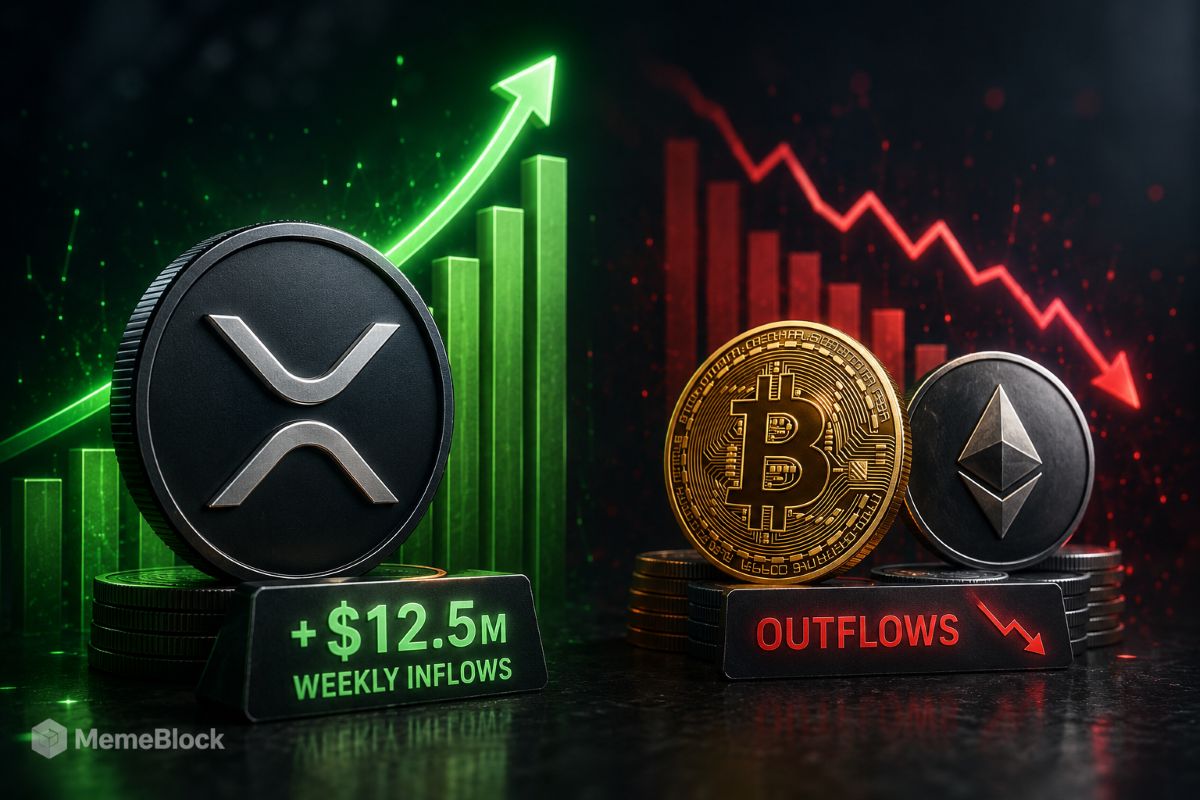
Analysts point out that many memecoins lack the fundamentals and risk-management frameworks institutional allocators typically require, causing demand for meme coin ETFs to stay muted relative to Bitcoin, Ethereum, or even XRP ETF products.
Market Impact: Price, Sentiment, Strategy
The broader crypto market has shown a mixed reaction. While Dogecoin continues to benefit from its Wall Street ETF legitimacy and adoption narrative, Shiba Inu has yet to secure a dedicated ETF or institutional product, leaving it more susceptible to retail-driven price swings and community speculation.
For traders, the removal of the SHIB/DOGE pair could prompt a short-term rebalancing into more liquid quote markets like SHIB/USDT or DOGE/USDT. Automated trading bots tied to the delisted pairs will also cease operations alongside the trading halt, prompting users to update or cancel strategies before the shutdown.
The Road Ahead: Liquidity, Listings, and Regulation
Binance’s move underscores a broader industry trend toward data-driven asset curation as exchanges balance retail demand with institutional expectations. Meanwhile, ETF issuers continue to test interest in crypto-linked funds, with asset managers filing an expanding pipeline of spot and futures products, though memecoin ETFs are still a niche frontier.
For investors and traders alike, adaptation is key. Whether meme coins can evolve into mainstream ETF contenders or remain high-beta retail assets will be shaped by future regulatory clarity, institutional uptake, and market structure.