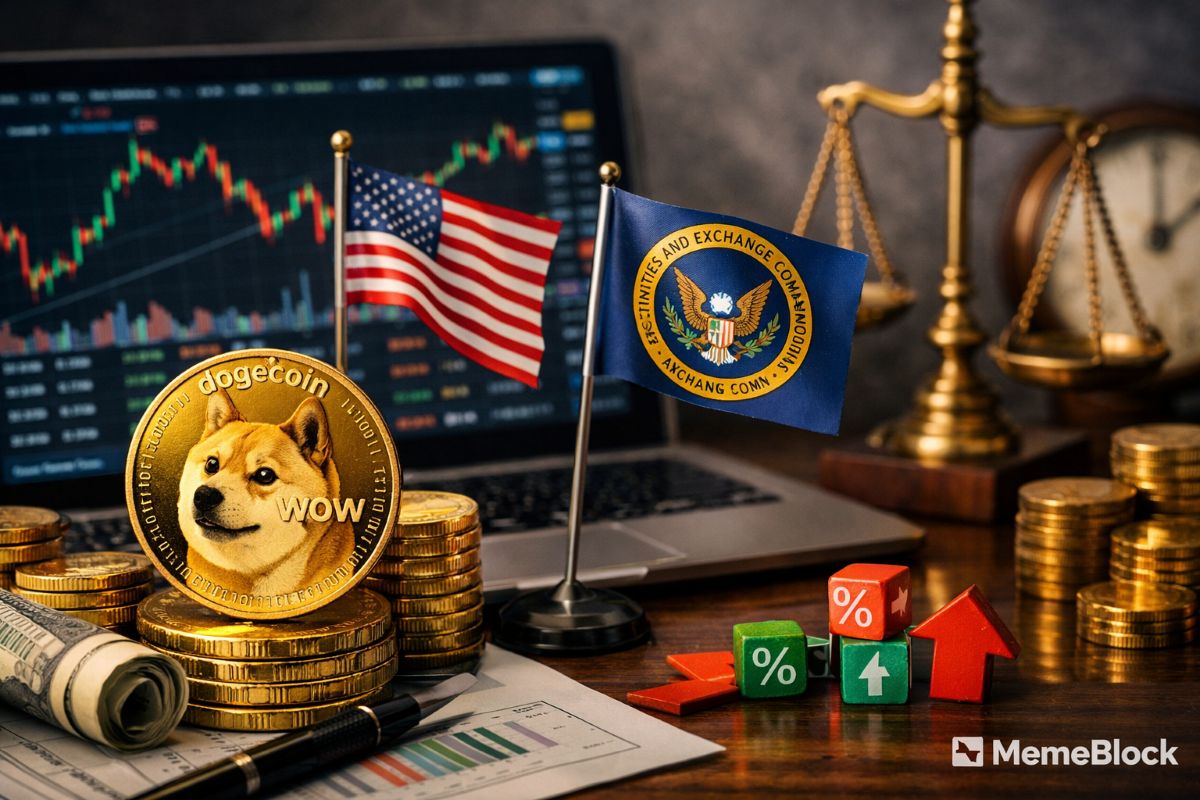
The clock is ticking on the first potential Dogecoin ETF approval deadline, putting traders, issuers, and regulators on edge as the meme-inspired cryptocurrency faces a make-or-break regulatory moment. With statutory review windows tightening, the coming weeks could determine whether DOGE finally gets a regulated on-ramp into mainstream U.S. markets or stays stuck in crypto’s speculative lane.
At the centre of the action is the U.S. Securities and Exchange Commission, which is reviewing a growing pipeline of crypto-linked exchange-traded fund proposals. While spot Bitcoin ETFs have already cleared the bar and Ethereum ETFs moved through earlier this year, a DOGE ETF would test how far regulators are willing to go beyond assets with deeper liquidity and longer track records.
Why the DOGE ETF deadline matters right now
Under U.S. securities law, ETF applications follow fixed timelines. That means the regulator must either approve, deny, or delay a decision by specific dates. As those deadlines approach, market volatility often spikes, especially for assets tied directly to the filing.
For Dogecoin holders, the implications are straightforward. Approval could unlock access to institutional capital, retirement accounts, and traditional brokerage platforms. Rejection or delay, on the other hand, could cool enthusiasm and reinforce DOGE’s image as a high-risk, retail-driven asset.
According to market analysts, even the anticipation of a Dogecoin ETF decision has already influenced trading behaviour, with volume and derivatives activity picking up ahead of expected announcements.
Regulatory hurdles remain high
Despite DOGE’s popularity and longevity, regulators have historically been cautious with assets lacking clear utility narratives or decentralised development roadmaps. Unlike Bitcoin, which the regulator has acknowledged as a commodity, Dogecoin’s classification remains less settled.
The U.S. Securities and Exchange Commission continues to emphasise investor protection, market surveillance, and resistance to price manipulation as core criteria for ETF approval. Any DOGE ETF would need to demonstrate robust custody solutions, transparent pricing mechanisms, and sufficient market depth.
Industry lawyers note that meme-based origins are not a legal barrier on their own, but they do raise additional scrutiny around volatility and concentration risks.
Market reaction and price sensitivity
Historically, ETF deadlines have acted as short-term catalysts rather than long-term guarantees. Bitcoin’s price surged ahead of key approval dates, only to see post-approval pullbacks. Analysts expect DOGE price action around the ETF deadline to follow a similar pattern sharp moves in either direction depending on headlines.
Options markets are already pricing in increased volatility, suggesting traders are bracing for sudden swings. Some institutional desks, however, remain on the sidelines until regulatory clarity improves.
Industry perspective: cautious optimism
ETF issuers and crypto market makers say the filing itself signals growing confidence that DOGE can meet regulatory standards over time, even if approval doesn’t come immediately.
“Every filing expands the conversation,” one digital-asset strategist said. “Even a delay keeps Dogecoin in front of regulators, and that’s nothing.”
Still, sceptics argue that regulators may prioritise assets with stronger economic narratives before entertaining meme-driven tokens.
What happens next
As the DOGE ETF deadline approaches, three outcomes are possible: approval, denial, or an extension. An extension would push the decision further down the calendar, keeping markets in suspense but avoiding an outright rejection.
For now, traders are watching official notices, amended filings, and any public statements from regulators for hints about the direction of travel.
Whether Dogecoin becomes the next crypto ETF milestone or another case of regulatory hesitation, the decision will set an important precedent. One thing is clear: as deadlines loom, DOGE is no longer just a joke; it’s a regulatory stress test with real market consequences.