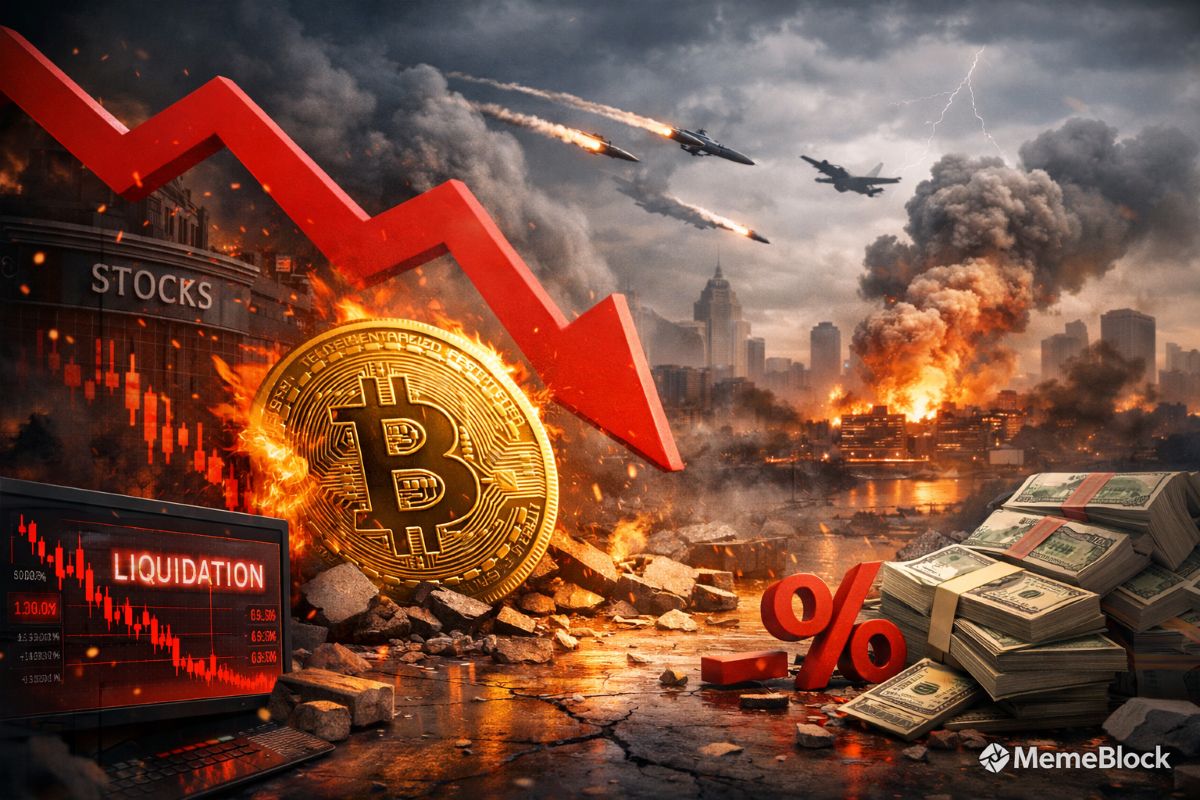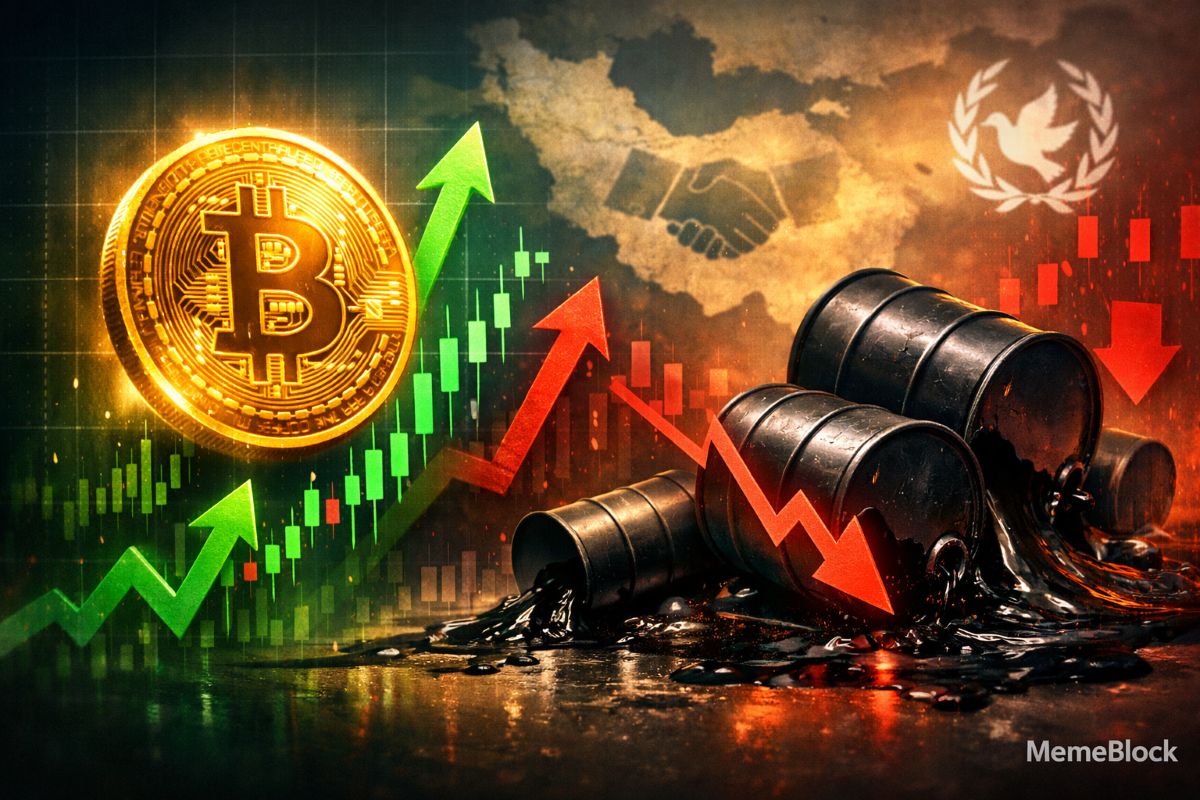
Bitcoin is once again flipping the script on traditional finance, acting like a surprising “oasis of calm” while geopolitical chaos rattles global markets. As the escalating Iran war fuels volatility across oil, equities, and bonds, the world’s largest cryptocurrency is showing resilience and even strength when investors need it most.
Bitcoin Defies Market Panic Amid Iran War Volatility
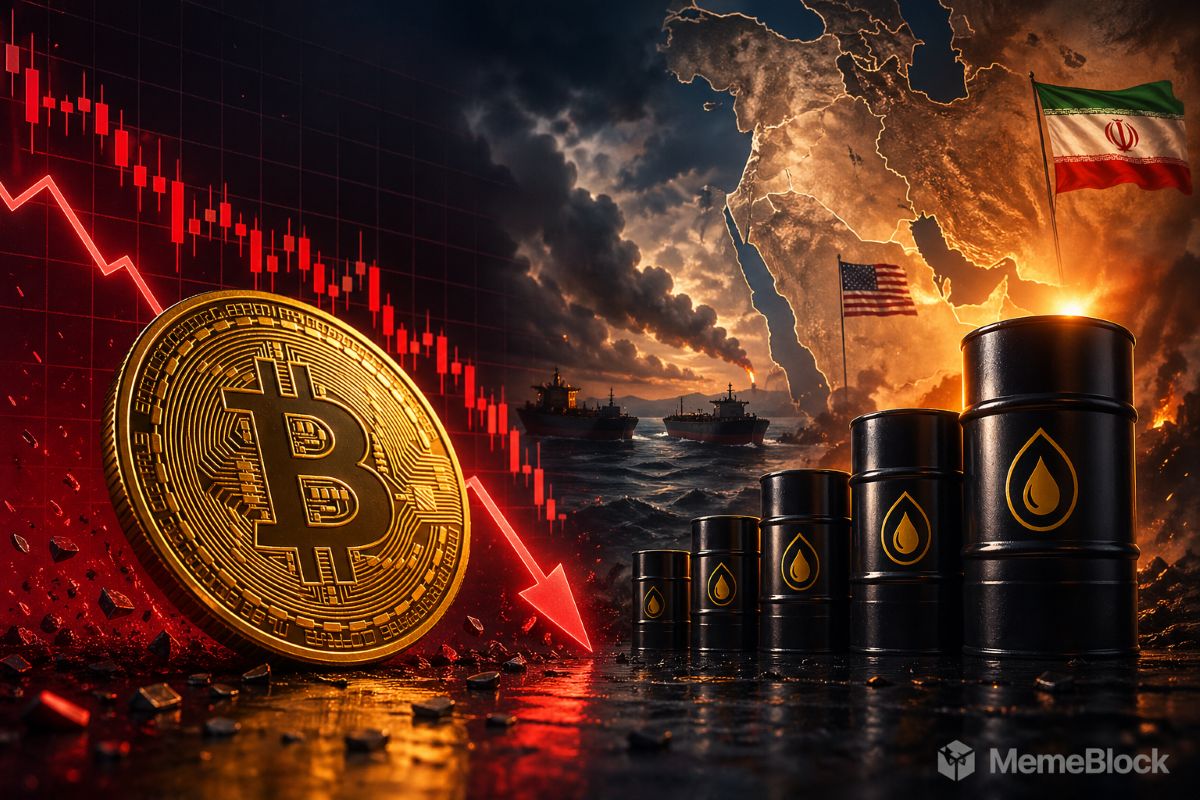
The ongoing Iran conflict, which began in late February 2026, has triggered major disruptions in global energy markets and investor sentiment. Oil prices surged, supply chains tightened, and fears of prolonged economic instability spread fast.
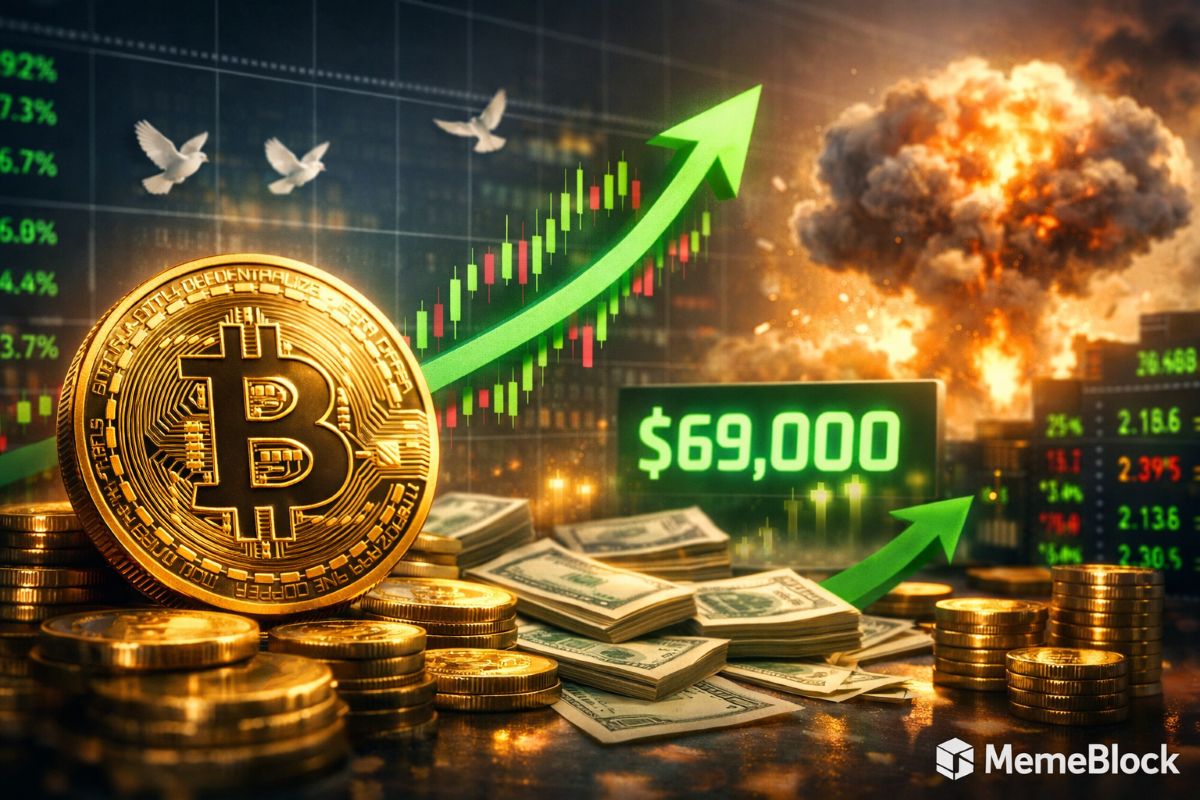
Yet, instead of collapsing alongside risk assets, Bitcoin has held firm and even climbed. Recent data shows Bitcoin trading near $74,000, up over 3% in a single day and roughly 10% since the conflict intensified.
This performance stands in sharp contrast to traditional markets. Stocks and bonds have seen sharp sell-offs, while even gold, historically a haven, has struggled to maintain momentum.
Why Bitcoin Is Acting Like a Safe-Haven Asset
Investors are increasingly treating Bitcoin as a hedge against geopolitical risk, similar to gold or the U.S. dollar. But unlike those assets, Bitcoin operates 24/7 and isn’t tied to any central authority.
This flexibility has proven crucial during the Iran war. When traditional markets closed during early military strikes, crypto markets continued trading, offering real-time price discovery and liquidity.
Analysts say this uninterrupted access is a major reason Bitcoin is gaining traction during crises. Add in rising institutional adoption and ETF inflows, and Bitcoin’s evolving role becomes clearer; it’s no longer just a speculative asset.
Institutional Demand Fuels Bitcoin Stability
Another key driver behind Bitcoin’s resilience is institutional money. Spot Bitcoin ETFs have seen strong inflows in March, reversing months of outflows and signalling renewed confidence among large investors.
This wave of institutional participation is helping stabilize price swings that once defined the crypto market. Instead of panic selling, investors are increasingly buying dips during geopolitical shocks.
Market experts note that Bitcoin’s structure is maturing. With deeper liquidity and broader participation, it’s starting to behave more like a macro asset than a fringe investment.
Oil Shock and Inflation Fears Boost Crypto Appeal
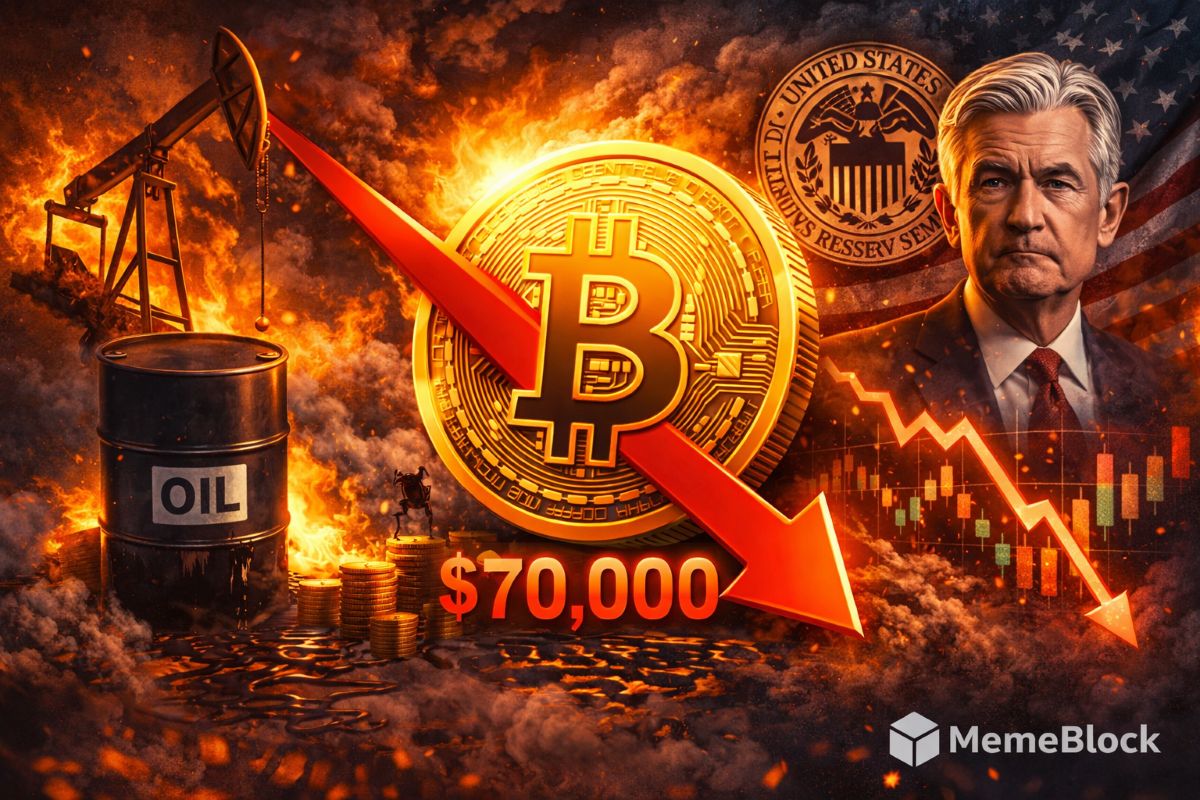
The Iran war has triggered one of the biggest oil supply disruptions in recent history, with prices surging past $100 per barrel amid fears over the Strait of Hormuz.
Rising energy costs are feeding global inflation concerns, pushing central banks toward tighter monetary policies. That’s typically bad news for equities, but it can be bullish for Bitcoin.
Why? Because Bitcoin is often seen as a hedge against inflation and currency debasement. As fiat currencies face pressure, investors are diversifying into digital assets.
Interestingly, even the U.S. dollar has strengthened during this crisis, but Bitcoin is still outperforming many traditional assets, highlighting its growing appeal in uncertain times.
Bitcoin vs Gold: A Shift in Safe-Haven Narrative
Perhaps the most surprising trend is Bitcoin outperforming gold. While gold prices have dipped amid rising interest rate expectations, Bitcoin has continued to climb.
This shift suggests a changing narrative in global finance. Younger investors and institutions are increasingly viewing Bitcoin as “digital gold” but with better liquidity and upside potential.
Since the war began, Bitcoin has outperformed both gold and major stock indices, reinforcing its position as a modern hedge in times of crisis.
What Comes Next for Bitcoin?
Looking ahead, Bitcoin’s trajectory will likely depend on how the Iran conflict evolves. If geopolitical tensions persist, demand for alternative stores of value could continue rising.
However, volatility isn’t off the table. Bitcoin has already shown it can swing sharply during peak fear before rebounding quickly.
Still, one thing is becoming clear: Bitcoin is no longer just a high-risk asset. In today’s unpredictable global landscape, it’s emerging as a serious contender in the safe-haven playbook.
For investors searching for stability in chaos, Bitcoin’s performance during the Iran war may mark a turning point in how the world views crypto.