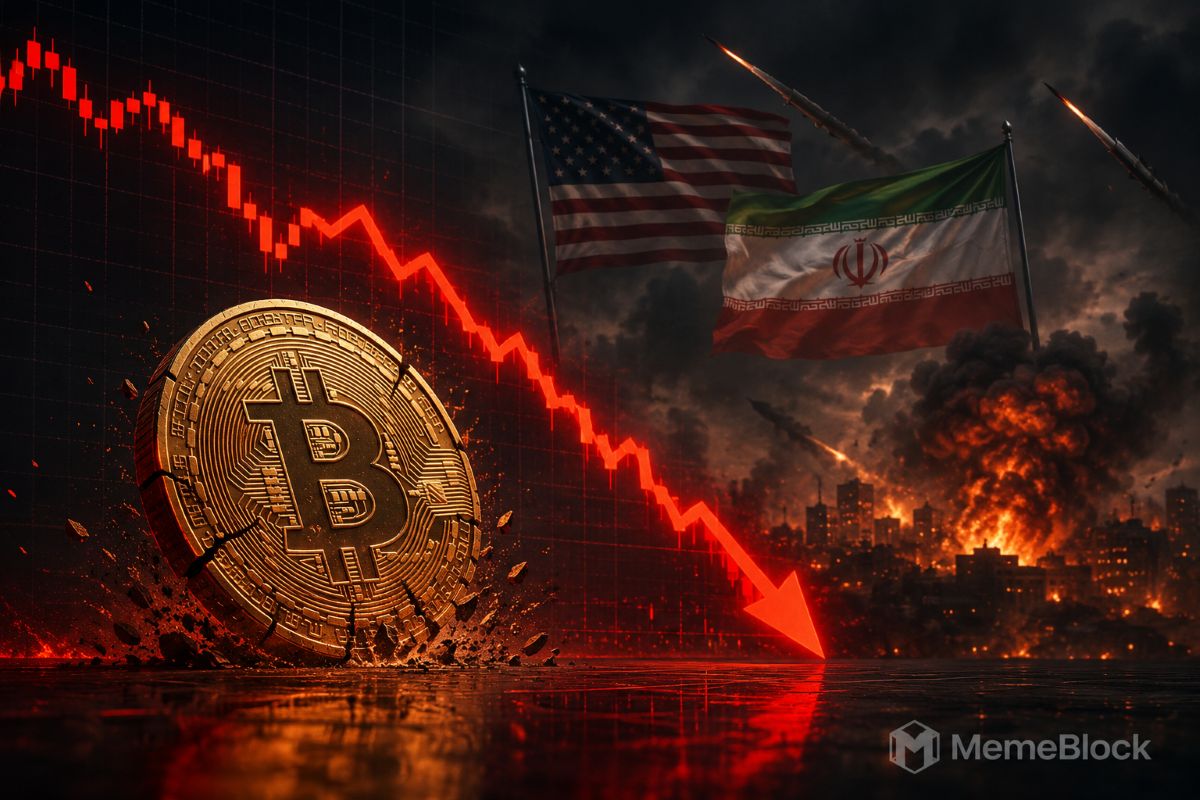
Bitcoin slipped below the critical $74,000 level over the weekend as escalating tensions between the United States and Iran rattled global financial markets. This development also derailed a promising rally. The world’s largest cryptocurrency, which had climbed close to $78,000 late last week, reversed course sharply. Geopolitical uncertainty returned to center stage as a result.
Weekend Rally Collapses Amid Rising Geopolitical Tensions
The crypto market entered the weekend with bullish momentum, fuelled by easing tensions and optimism surrounding a potential ceasefire in the Middle East. As a result, Bitcoin hovered near $75,000 and even approached multi-month highs. Investor sentiment improved notably.
However, that optimism quickly faded. Reports of a confrontation involving U.S. forces and Iranian assets triggered a wave of risk-off sentiment across global markets. Bitcoin began sliding on Saturday and fell decisively below $74K by Sunday as traders reacted to the renewed uncertainty.
This sudden reversal highlights how sensitive crypto markets remain to macroeconomic and geopolitical developments. This is despite narratives positioning Bitcoin as a hedge against instability.
Strait of Hormuz Threat Sends Shockwaves Through Markets
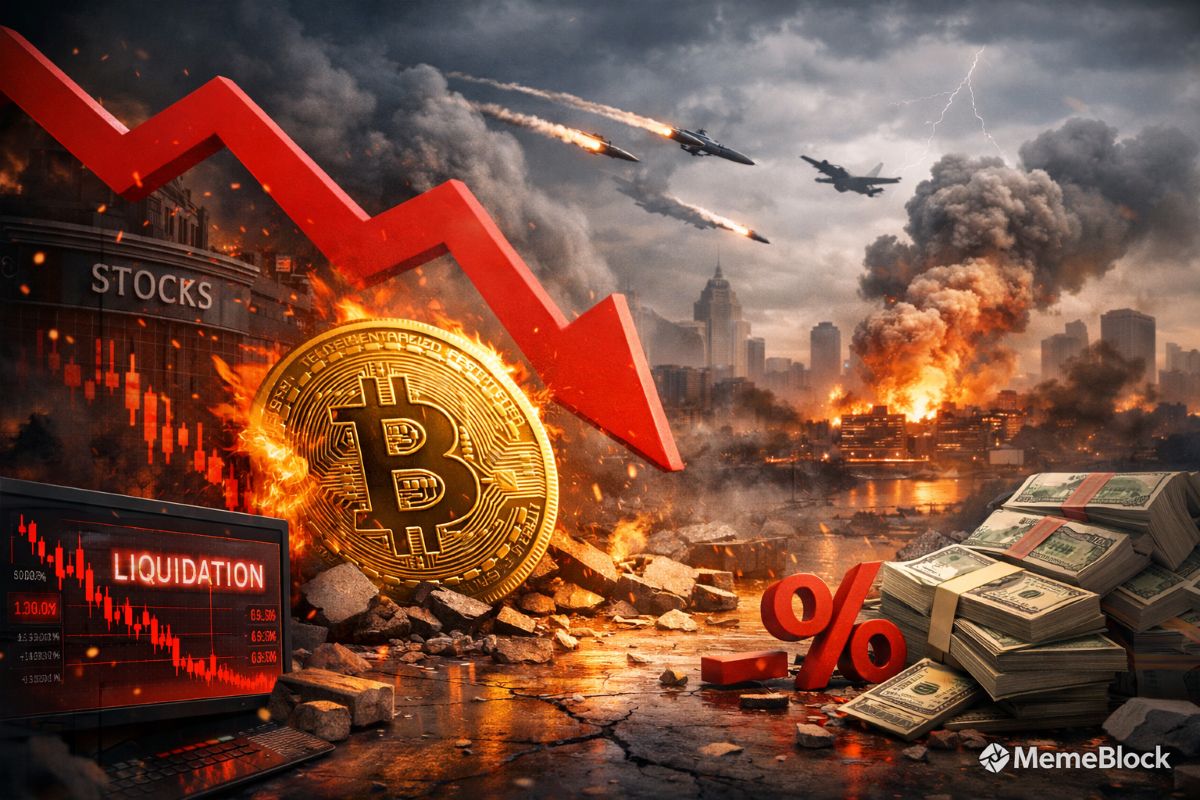
A key driver behind the sell-off was Iran’s renewed threat to disrupt shipping through the Strait of Hormuz, a vital global oil route. Consequently, concerns over potential supply disruptions pushed crude oil prices sharply higher. Meanwhile, equities and risk assets, including cryptocurrencies, moved lower.
Historically, such geopolitical flashpoints have triggered volatility across financial markets. In this case, Bitcoin behaved more like a risk asset than a haven. It declined alongside stocks as investors sought stability elsewhere.
Bitcoin’s Volatility Reflects Broader Market Sentiment
Bitcoin’s drop below $74K is part of a broader pattern observed throughout recent weeks. The cryptocurrency has been closely tracking global sentiment tied to the U.S.-Iran conflict. It rises on hopes of peace and falls sharply when tensions escalate.
Earlier this month, Bitcoin dipped toward $71,000 following failed negotiations. However, it rebounded above $76,000 when signals of a temporary ceasefire emerged.
This pattern underscores a key shift in Bitcoin’s behaviour. Instead of acting purely as “digital gold,” it is increasingly trading like a high-risk asset influenced by macroeconomic forces such as interest rates, energy prices, and geopolitical risks.
Key Support Levels and Market Outlook
With Bitcoin now below $74K, analysts are closely watching the next support zone around $72,000. A sustained breakdown below this level could trigger further downside pressure, especially if geopolitical tensions continue to escalate.
On the upside, a return to stability in the Middle East could quickly restore bullish momentum. Bitcoin has already demonstrated its ability to rebound sharply when tensions ease. This is supported by strong institutional inflows such as Bitcoin ETFs.
Market participants are also monitoring macro indicators, including oil prices and equity market performance. These factors remain tightly correlated with crypto price movements in the current environment.
Investor Sentiment Turns Cautious
The latest pullback has shifted sentiment toward caution. While long-term fundamentals for Bitcoin remain intact, short-term price action is being driven largely by external events. These have greater influence than internal crypto-specific developments at the moment.
Investors are now bracing for continued volatility, with geopolitical headlines likely to dictate near-term direction. As one analyst noted recently, crypto markets remain “fragile” amid ongoing uncertainty, with any escalation capable of triggering rapid sell-offs.
Conclusion
Bitcoin’s drop below $74,000 serves as a reminder that even the most established digital assets are not immune to global events. The U.S.-Iran conflict has once again demonstrated how quickly sentiment can shift. It has also wiped out gains and injected volatility into the market.
For now, Bitcoin remains at a crossroads. A de-escalation in geopolitical tensions could revive the rally, while further conflict may push prices lower. Traders and investors alike are watching closely, knowing that in today’s interconnected markets, crypto no longer moves in isolation.