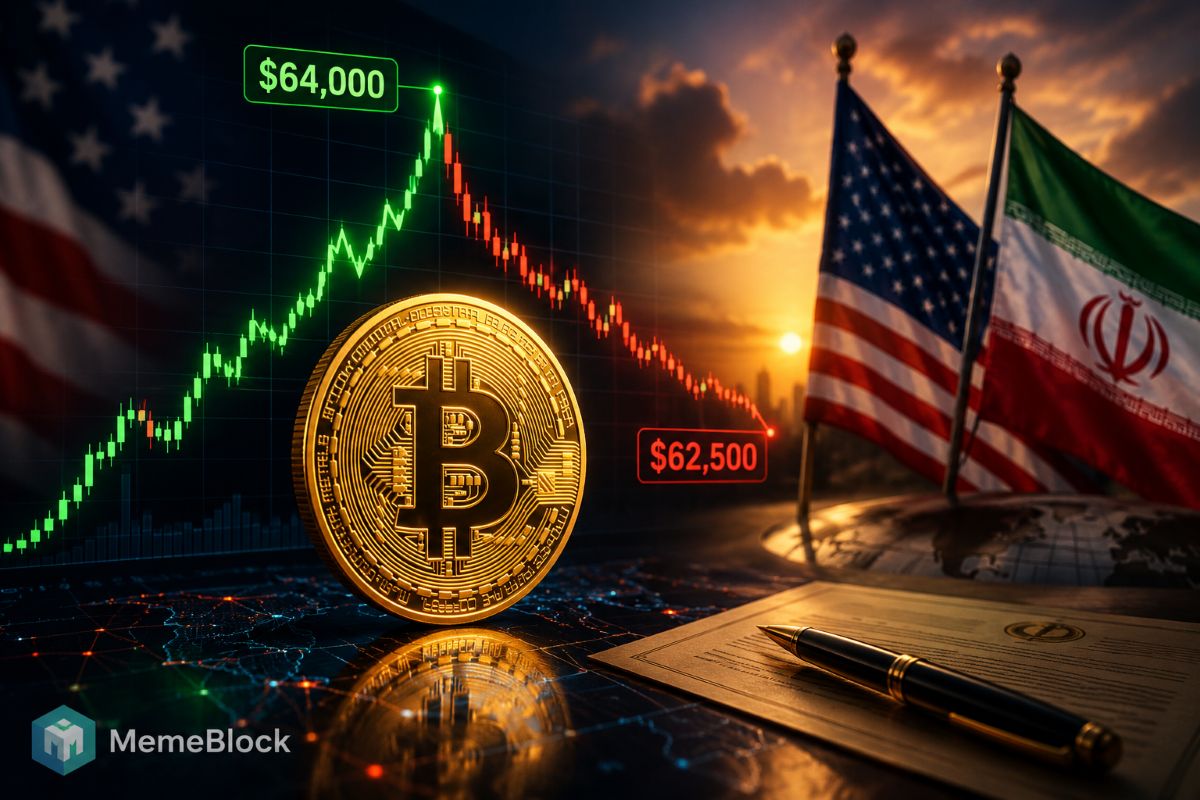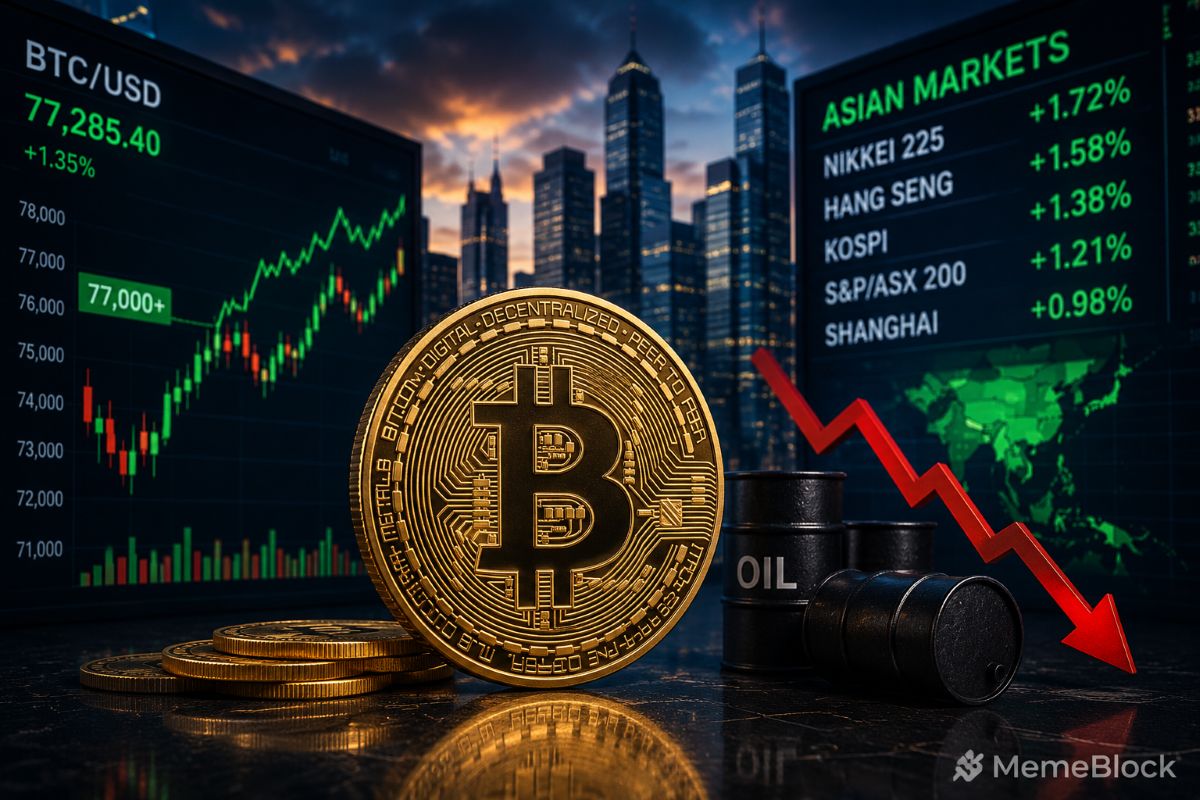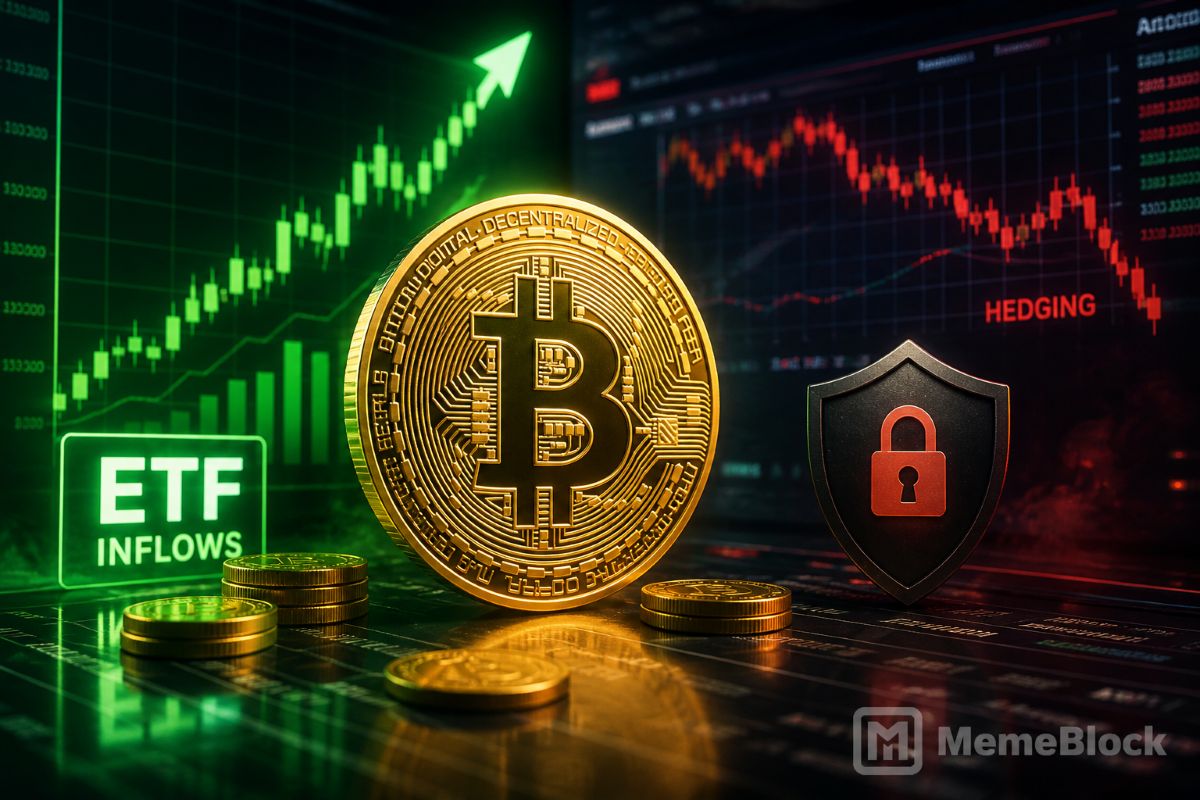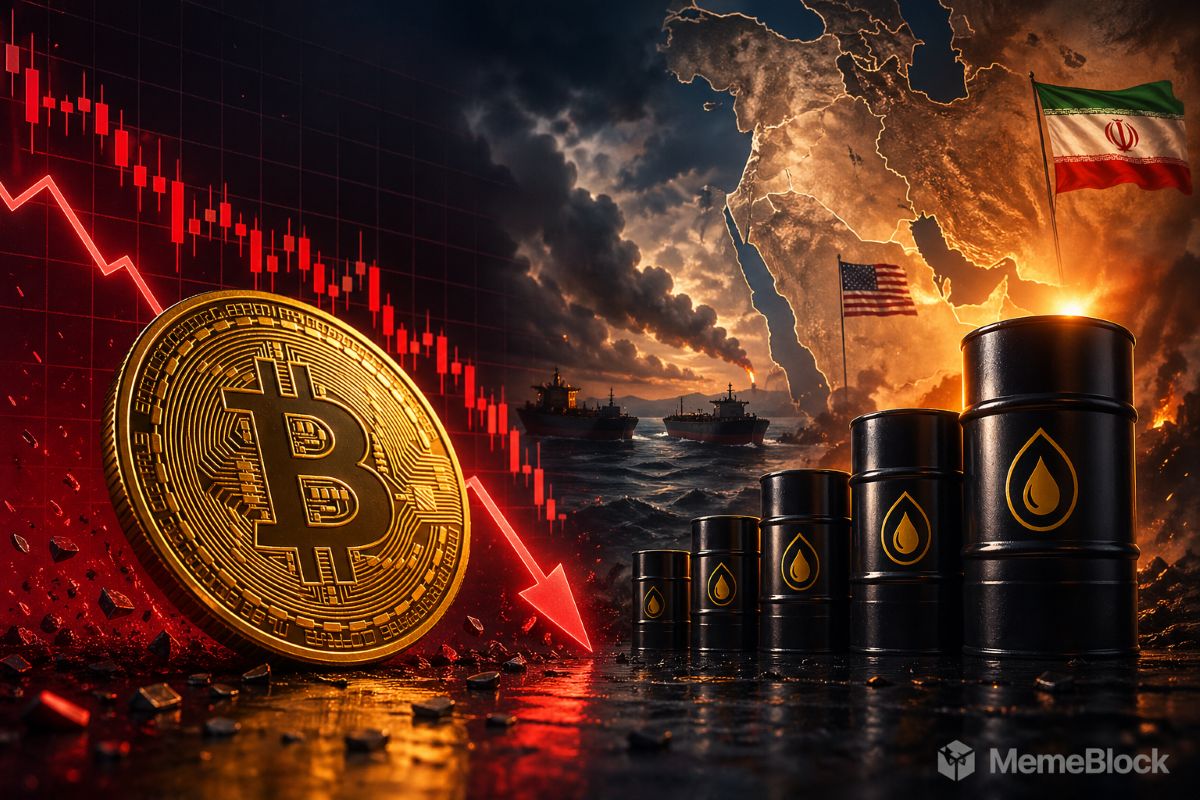
Bitcoin is once again proving its resilience in the face of global geopolitical turmoil, holding strong near the $67,500–$68,000 range as investors digest fresh developments in the ongoing Iran conflict. The latest catalyst comes from U.S. President Donald Trump signalling a willingness to end the war without reopening the critical Strait of Hormuz, a move that has injected both optimism and uncertainty into global markets.
Bitcoin Stability Amid Geopolitical Chaos
Despite heightened tensions in the Middle East, Bitcoin has managed to maintain a steady price floor above $67,500. According to recent market data, the cryptocurrency even hovered close to $68,000 as bullish sentiment returned following Trump’s softer stance on ending the conflict.
This stability is notable given the broader volatility across traditional markets. Oil prices have surged past $100 per barrel due to supply disruptions, while equities have fluctuated sharply in response to geopolitical headlines.
Bitcoin’s ability to hold key support levels highlights its growing role as a macro-sensitive asset, one that reacts quickly to global risk events but also benefits from uncertainty.
Trump’s Iran War Signals Shift in Market Sentiment
The biggest driver behind Bitcoin’s recent price action is Trump’s reported willingness to end the Iran war even if the Strait of Hormuz remains closed.
This represents a significant policy shift. Previously, reopening the strait, a vital global oil artery, was considered a non-negotiable objective. The waterway accounts for roughly 20% of the world’s oil supply, making its closure one of the most disruptive events in modern energy markets.
At the same time, Trump has indicated that diplomatic discussions with Iran are ongoing, raising hopes for a near-term resolution.
For crypto investors, this mixed messaging has created a “risk-on but cautious” environment where optimism about peace coexists with concerns about unresolved supply shocks.
Strait of Hormuz Closure Still Looms Large
Even as talks progress, the Strait of Hormuz remains effectively shut, continuing to disrupt global trade flows. The ongoing blockade has halted tanker traffic and triggered one of the largest energy supply shocks in decades.
Oil prices have responded aggressively, climbing to multi-year highs amid fears of prolonged shortages.
This matters for Bitcoin because rising energy prices often feed into inflation expectations, one of the key narratives supporting crypto adoption. When inflation fears rise, investors tend to seek alternative stores of value, including Bitcoin.
Crypto Market Reaction and Derivatives Data
Beyond spot price stability, derivatives markets are also signalling renewed confidence. Open interest in Bitcoin futures has increased, alongside positive funding rates, an indication that traders are positioning for further upside.
Additionally, capital inflows into crypto assets have picked up as investors hedge against geopolitical risk and fiat currency instability.
Altcoins have followed Bitcoin’s lead, with several tokens posting gains over the past 24 hours, suggesting broader market recovery momentum.
What This Means for Bitcoin’s Next Move
Looking ahead, Bitcoin’s trajectory will largely depend on three key factors:
- Geopolitical resolution: A confirmed end to the Iran war could reduce volatility but may also limit Bitcoin’s upside if risk appetite shifts back to traditional assets.
- Oil market dynamics: Continued disruption in the Strait of Hormuz could sustain inflation fears, supporting Bitcoin’s narrative as “digital gold.”
- Macro sentiment: Ongoing uncertainty is likely to keep Bitcoin in a strong consolidation range between $65,000 and $70,000.
For now, Bitcoin’s ability to hold $67,500 reflects a market that is cautiously optimistic but far from complacent.
Conclusion
Bitcoin’s resilience at $67,500 underscores its evolving role in global finance. As Trump signals a potential end to the Iran war while leaving the Strait of Hormuz unresolved, markets remain caught between relief and uncertainty.
In this environment, Bitcoin continues to act as both a hedge and a high-beta asset, thriving on volatility while adapting to shifting macro narratives.