The memecoin market is heating up again in 2026, and this time, it’s not just Shiba Inu (SHIB) grabbing attention. A wave of copycat tokens often inspired by SHIB’s branding, community model, or tokenomics is thriving across multiple blockchains. But here’s the million-dollar question traders are asking: Should you actually buy these Shiba Inu copycats, or is this just another hype cycle waiting to crash?
Memecoin Mania Returns With Fresh Momentum
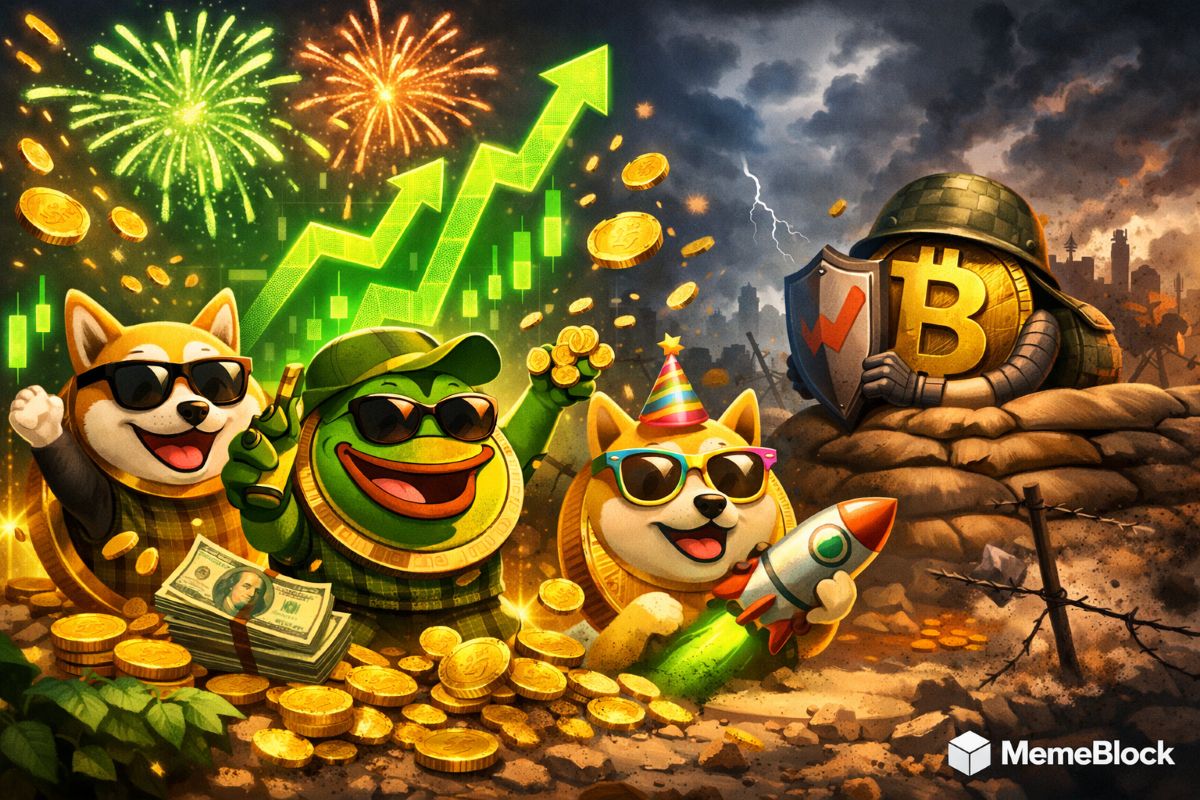
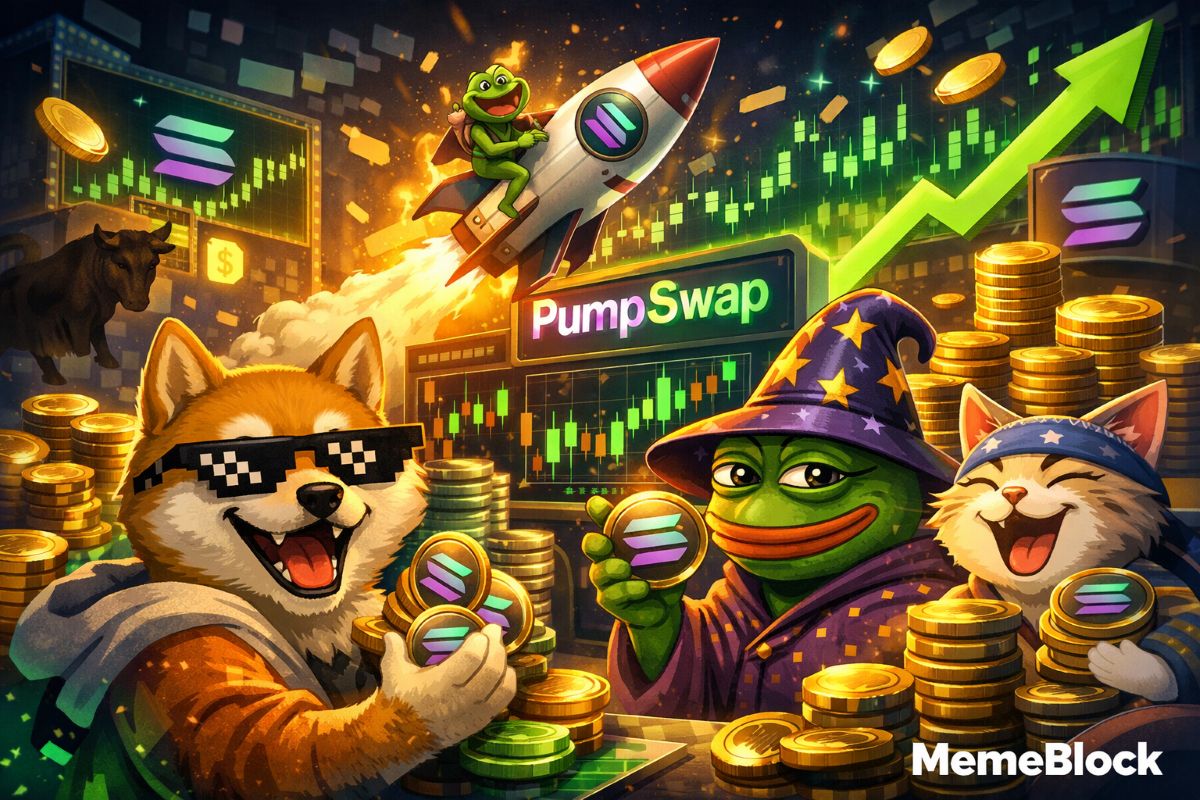
The latest crypto cycle shows memecoins are far from dead. In fact, new tokens are exploding in popularity thanks to viral social media trends and low entry barriers. At the same time, ecosystems like Solana are becoming hotspots for these launches due to faster speeds and lower fees, making it easier for developers to spin up SHIB-inspired tokens quickly.
This has led to a flood of “next Shiba Inu” projects entering the market, each promising massive upside and community-driven growth.
Why Shiba Inu Copycats Are Thriving
There are three key reasons behind the rise of SHIB-inspired tokens:
1. Proven Blueprint for Viral Success
Shiba Inu itself evolved from a meme into a multi-layer ecosystem with DeFi tools, staking, and its own Layer-2 network (Shibarium).
This success created a replicable model with strong branding, a loyal community, and token burns.
2. Retail Investor Psychology
Many traders feel they “missed” SHIB’s early rally. That fear of missing out (FOMO) drives them toward cheaper alternatives with similar narratives.
3. Low Barrier to Entry
Launching a memecoin today requires minimal technical effort. Research shows tens of thousands of memecoins have already been created, with many fading quickly after launch.
In short, it’s easier than ever to create hype and profit from it.
But Here’s the Catch: Most Copycats Don’t Last
While some copycats pump hard, the majority fail fast. Data suggests a significant percentage of memecoins lose traction or stop trading within days of launch.
Even analysts warn that Shiba Inu-themed copycats may rally temporarily but rarely sustain long-term growth compared to the original.
That’s because most lack:
- Real utility
- Long-term development teams
- Strong liquidity
Unlike SHIB, which is transitioning into a utility-driven ecosystem with DeFi and Layer-2 capabilities, many copycats remain purely speculative.
SHIB vs Copycats: The Real Difference
Shiba Inu itself is no longer just a meme coin. Its ecosystem expansion, growing wallet base, and institutional exposure (like exchange listings) are helping stabilize its position.
Meanwhile, copycats rely heavily on:
- Social media buzz
- Influencer hype
- Short-term trading cycles
That’s why even in 2026, major memecoins like SHIB, DOGE, and PEPE still dominate market share despite thousands of new entrants.
Should You Buy Shiba Inu Copycats?
Here’s the straight-up answer: only if you understand the risks.
When It Might Make Sense:
- You’re trading short-term momentum
- You’re comfortable with high volatility
- You diversify and don’t go all-in
When It’s Probably a Bad Idea:
- You’re looking for long-term investments
- You’re chasing hype without research
- You expect another SHIB-style 1,000x run
Even SHIB itself is now considered a “recovery play” rather than a moonshot, with more moderate growth expectations in 2026.
Final Take: Hype vs Fundamentals in Memecoin Trading
The rise of Shiba Inu copycats proves one thing: memecoins are still a powerful force in crypto trading. But the game has changed.
Back in 2021, you could throw money at almost any dog-themed token and win. In 2026, the market is more mature, and survival depends on utility, liquidity, and community strength, not just memes.
Summary
Shiba Inu copycats can deliver quick gains, but they’re high-risk, short-term plays. If you’re serious about building wealth in crypto, focus on projects with real ecosystems, not just viral potential.
And if you’re still chasing the next SHIB? Just remember, by the time it’s trending, you’re probably already late.