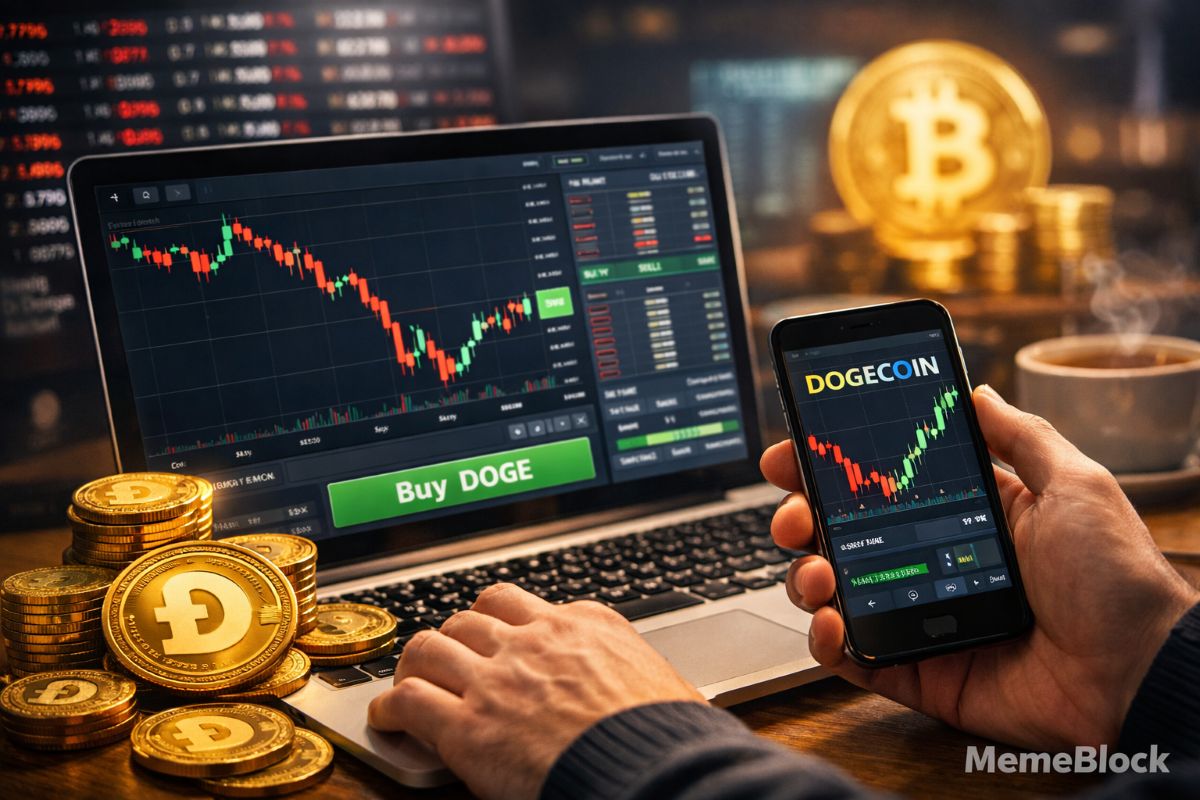
Crypto markets have entered one of their most turbulent phases of the year, and retail crypto traders are feeling the brunt of it as major digital assets experience sudden price swings, rising liquidations, and a sharp drop in market confidence. With Bitcoin, Ethereum, and several altcoins witnessing intense intraday fluctuations, smaller traders are increasingly exposed to forced exits, margin losses, and emotional decision-making during rapid price reversals.
Retail Traders Face Growing Losses in Rapidly Shifting Market
Over the past several weeks, crypto markets have been influenced by macroeconomic uncertainty, shifting Federal Reserve expectations, and liquidity concerns in futures markets. These factors have caused sharp price movements, sometimes within minutes, leading to increased liquidation risks for retail crypto traders who rely heavily on leveraged trading platforms.
As Bitcoin’s volatility index hits multi-month highs, many small traders using derivatives platforms such as Binance, Bybit, and OKX have reported significant losses. Liquidation totals have surged across multiple assets, particularly in altcoins where liquidity is thinner and price manipulation is easier.
Market analysts highlight that institutional players, including hedge funds and algorithmic trading firms, are taking advantage of the volatility by executing high-frequency strategies that outpace retail traders. This dynamic creates a widening performance gap between large and small market participants.
Institutional Dominance Adds Pressure on Small Traders
Institutional trading volume continues to grow, especially after the approval of several spot crypto ETFs and increased regulatory clarity across multiple regions. While this has brought more legitimacy and liquidity to the market, it has also introduced sophisticated trading behavior that can overwhelm retail participants.
Large players often capitalize on volatility periods by triggering cascading stop-losses and leveraging deep liquidity pools. Retail traders, on the other hand, face challenges such as:
- Higher sensitivity to intraday price swings
- Limited access to advanced hedging tools
- Emotional decision-making during market dumps
- Insufficient diversification across asset classes
The widening divide is becoming more apparent as institutional traders hedge against inflation, diversify across digital asset portfolios, and maintain long-term positions while retail traders attempt short-term speculative plays.
Why Crypto Market Volatility Has Intensified
Several factors are currently fueling the heightened volatility:
- Global interest rate uncertainty, influencing risk-on assets like crypto
- ETF inflows and outflows, creating sudden liquidity spikes
- Decreasing market depth on major exchanges during certain hours
- Macro events, including geopolitical tensions impacting investor sentiment
- Altcoin rotations, where funds rapidly move between trending tokens
This environment makes it increasingly difficult for inexperienced traders to navigate without well-defined risk-management strategies.
How Retail Traders Can Protect Themselves
Experts recommend several steps for retail traders to reduce losses during extreme volatility:
- Lower leverage positions or avoid leverage altogether
- Use dollar-cost averaging instead of timing the market
- Set wider stop-loss ranges to avoid premature liquidation
- Diversify across large-cap assets and stablecoins
- Avoid trading during major news announcements
FAQs
1. Why are crypto retail traders losing more during volatility?
Retail traders typically use higher leverage and lack advanced risk-management tools, making them more vulnerable to sudden price movements.
2. Is the current crypto volatility expected to continue?
Analysts suggest volatility may persist due to macroeconomic uncertainty, ETF-driven liquidity shifts, and ongoing institutional positioning.
3. How can small traders reduce liquidation risks?
By lowering leverage, diversifying portfolios, and avoiding reactive trading during news events, retail traders can significantly reduce risk.
4. Are institutions responsible for increased market swings?
While institutions add liquidity, their advanced algorithms and large capital flows can contribute to rapid price changes that impact retail traders.