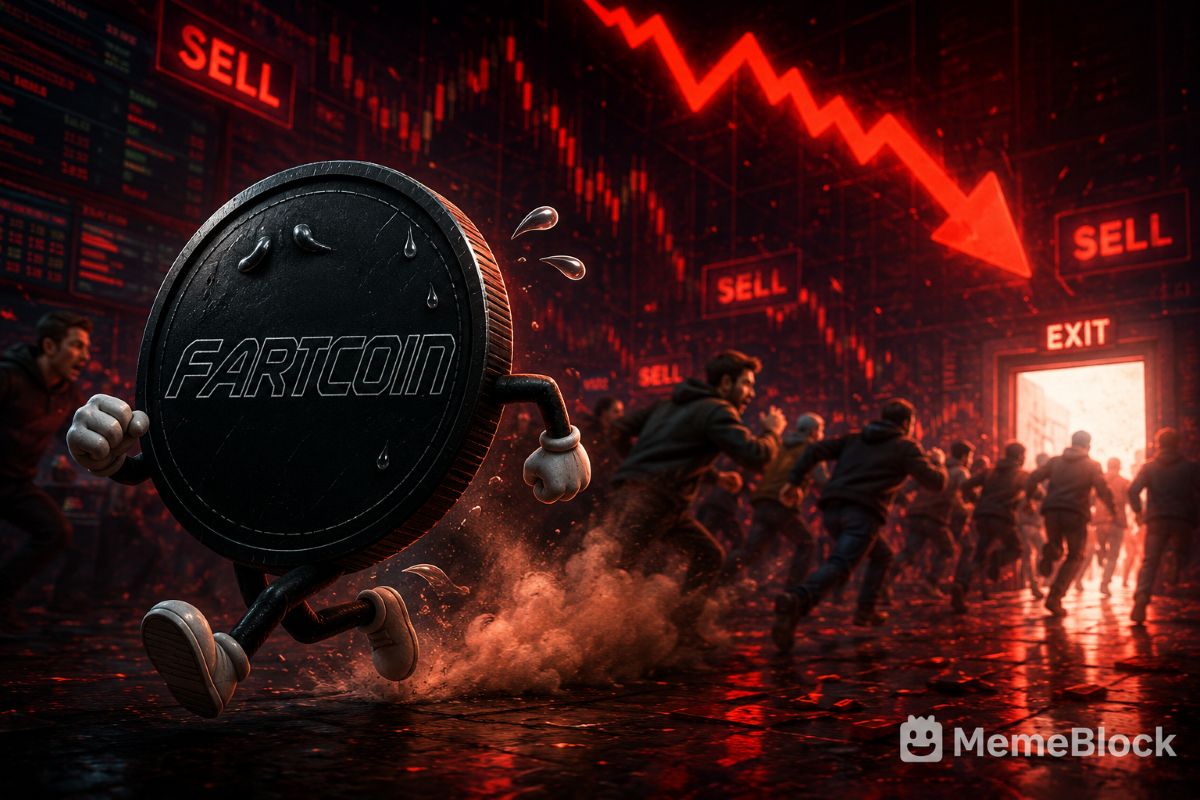
The memecoin market never sleeps, and the latest buzz is all about the Pippin rebound. After a sharp sell-off that wiped out a significant chunk of its market cap, Pippin is back on traders’ radar with a fast-paced recovery that’s lighting up crypto Twitter, Telegram groups, and on-chain dashboards. For memecoin traders hunting volatility and quick setups, Pippin’s price action is shaping up as one of the most closely watched moves this week.
This rebound comes amid a broader risk-on mood in speculative crypto assets, where low-cap memecoins are seeing renewed liquidity and short-term rotations.
What Triggered the Pippin Price Crash?
Before the rebound, Pippin experienced a classic memecoin-style dump. On-chain data shows a combination of early holders taking profits, thin liquidity during off-peak trading hours, and a cascade of stop-losses triggered once key support levels broke.
The sell-off was amplified by panic selling, a familiar pattern in high-volatility memecoin markets. Social sentiment turned sharply bearish, with traders calling the move “over” and liquidity briefly drying up. However, unlike failed meme projects, Pippin maintained steady on-chain activity, suggesting holders hadn’t fully abandoned the token.
Inside the Pippin Rebound: Key Market Signals
The Pippin rebound began with a spike in buy-side volume, largely driven by smaller wallets rather than a single whale. This is an important signal for memecoin traders, as organic demand often supports stronger short-term price floors.
Price-wise, Pippin reclaimed its intraday moving averages and posted consecutive green candles on high volume. Momentum indicators flipped bullish, and funding rates normalized after briefly turning negative, indicating that short sellers were getting squeezed out.
Trader Sentiment Shifts as Liquidity Returns
Sentiment around Pippin has shifted from “dead coin” to “high-risk, high-reward” almost overnight. That’s typical in memecoin trading, where narratives change fast, and liquidity follows attention.
Decentralized exchange data shows improved depth on both sides of the order book, reducing slippage for active traders. Meanwhile, social engagement metrics are climbing, a key driver in meme-driven assets where hype often fuels short-term price extensions.
That said, experienced traders are staying cautious. Most view this rebound as a tactical trade rather than a long-term hold, especially given the broader memecoin market’s tendency to rotate narratives quickly.
How the Pippin Rebound Fits the Current Memecoin Market
The Pippin rebound isn’t happening in isolation. The wider memecoin market has seen renewed interest as traders rotate out of large-cap assets into smaller, more volatile plays. This environment favours sharp bounces, but it also increases the risk of equally sharp reversals.
From a market structure standpoint, Pippin is now trading in a key decision zone. Holding current levels could attract momentum traders looking for a continuation move, while a breakdown would likely invite another wave of fast exits.
What Comes Next for Pippin Traders?
The sustainability of the Pippin rebound will depend on volume consistency and sentiment follow-through. If liquidity remains strong and social traction continues, short-term upside remains on the table. However, any slowdown in attention could quickly flip the script.
For now, Pippin stands as a textbook example of memecoin market behaviour: brutal sell-off, rapid rebound, and a narrow window where speed and risk management matter more than conviction.
As always in memecoin trading, traders are advised to stay nimble, watch on-chain data closely, and remember that rebounds can fade just as fast as they appear.