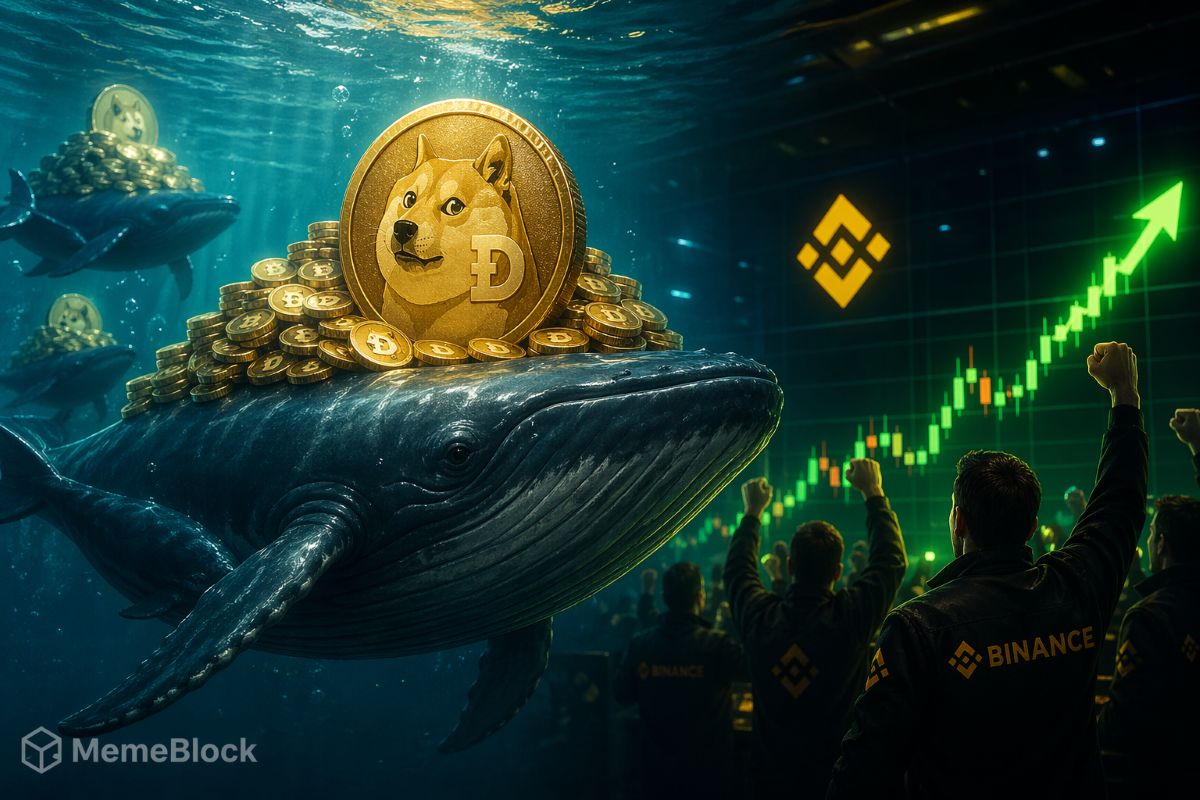
A deep-pocketed crypto holder known across trading circles as “White Whale” is once again making waves. On-chain watchers say the wallet now controls roughly $500 million worth of WHALE, a social token backed by one of the most talked-about digital art treasuries in the market.
For traders hunting the next meme-coin narrative, the move is a loud reminder that whales still shape liquidity, sentiment, and, at times, price direction.
The wallet everyone tracks
WhaleShark, the pseudonymous founder behind the WHALE ecosystem, built the token to represent fractional exposure to a vault of rare NFTs. Think blue-chip collectibles, metaverse land, and historic pieces from the early crypto art boom. The branding stuck, and the nickname “White Whale” became shorthand for both the individual and the massive holdings tied to the project.
Blockchain data aggregated by Etherscan shows a concentration of tokens in addresses linked to the treasury and long-term custody. While exact valuations swing with market prices, estimates from traders peg the stash near the half-billion-dollar mark during recent sessions.
That number matters, not just because it’s huge, but because it represents locked supply. In meme-coin math, a tighter float can translate into sharper volatility when demand kicks in.
Why WHALE still trends in memecoin conversations
Unlike dog-themed or frog-themed tokens that lean mostly on vibes, WHALE’s pitch has always been asset-backed culture. The token originally gained traction among communities active on OpenSea, where collectors could see comparable pieces trading in real time.
Supporters argue that this gives WHALE a narrative edge: it isn’t only speculation, it’s a claim, however indirect, on a basket of digital goods curated by a known buyer with a long track record.
Critics, of course, say valuation models tied to NFTs can be slippery. Floor prices move. Liquidity dries up. Appraisals change fast in risk-off markets. Both sides have a point, and that tension is part of what keeps the token in headlines.
Supply gravity and trader psychology
When one entity is believed to control a major share of tokens, the market reads every transfer like tea leaves. A movement to an exchange can spark selloff fears. A shift into cold storage can light up bullish timelines.
Recent chatter picked up after analysts flagged dormant addresses connected to the ecosystem becoming active again. No confirmed sales hit order books, but speculation alone was enough to boost mentions across social feeds and Telegram groups. That’s the memecoin engine in action: narrative first, confirmation later.
Bigger than one wallet
Even with a dominant holder, WHALE trades across multiple venues and remains influenced by macro crypto flows. When markets run, risk appetite rises, and capital rotates into higher-beta plays. When sentiment cools, traders often retreat to deeper liquidity.
In that sense, WHALE behaves like many culture-driven tokens. Community energy can amplify moves, but broader market direction still calls plenty of shots.
What market participants are watching now
Traders are zeroed in on three signals: treasury transparency, NFT market health, and whether large allocations remain static. Any hint of restructuring could rewrite short-term expectations.
Longer term, believers say the experiment continues to test whether social tokens can function as membership passes to a shared vault of internet value. Skeptics counter that concentration risk never disappears. Either way, the presence of a $500 million whale ensures people keep refreshing dashboards.