South Korea is poised to overhaul its crypto-exchange regulation regime by requiring exchanges to provide bank-level, no-fault compensation, meaning they’ll have to reimburse customers for losses due to hacks or system failures even if the platform is not technically at fault. Under the newly proposed rules, major crypto platforms will be held to the same consumer-protection and liability standards long applied to traditional banks and payment firms.
This shift comes in response to a major security breach at Upbit late in November 2025, which exposed regulatory gaps and triggered urgent calls for stronger oversight.
What Triggered the Move: The Upbit Breach
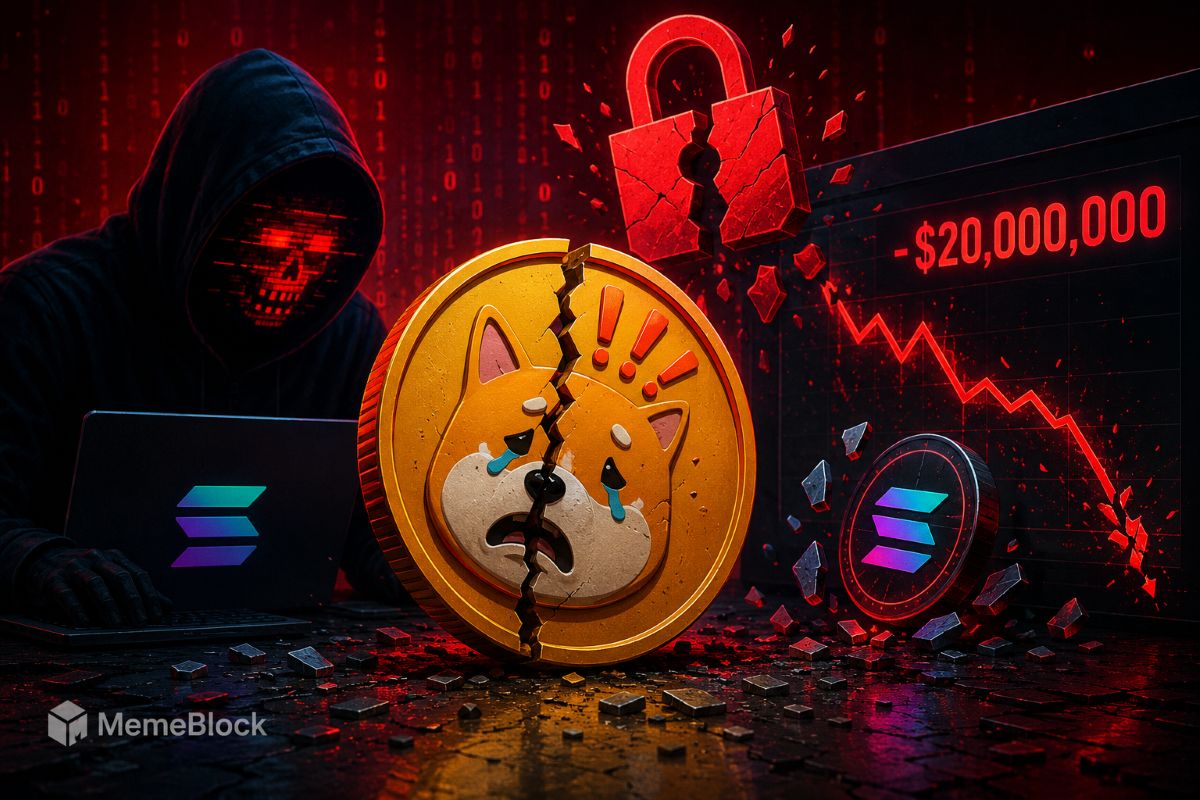
Upbit, one of South Korea’s largest crypto exchanges, suffered a dramatic breach in which more than 104 billion Solana-based tokens were transferred out in roughly 54 minutes, amounting to over ₩44.5 billion (about US$30 million).
Despite the severity of the hack, under the current law, there was no mechanism to force compensation for victims. The breach exposed a major regulatory blind spot, prompting the government to reconsider the regulatory framework for virtual asset exchanges.
Key Features of the Proposed No-Fault Compensation Framework
Under the draft rules, crypto exchanges would be legally required to reimburse users for losses arising from hacks, system failures, or security breaches, regardless of whether the platform is found negligent. The only exception would be in cases of “gross negligence” by the user.
Additionally, the legislation may mandate strengthened IT security infrastructure, stricter operational standards, and regular audits. Exchanges could also face significantly higher fines, potentially up to 3% of their annual revenue, for security failures, replacing the previous cap of a few billion won.
Regulators are also reportedly considering stricter reporting requirements (e.g., quick notification of incidents), regular third-party audits, and enhanced compliance with anti-money-laundering rules.
What This Means for Exchanges and Users
For users, retail and institutional alike, the new regulations promise a major boost in consumer protection. In the event of hacks or technical failures, victims could receive prompt, mandatory compensation rather than relying on goodwill or voluntary restitution.
For exchanges, the liability overhaul will likely translate to increased compliance costs, tighter risk controls, and potentially higher operating expenses. Smaller or less-capitalized exchanges may find it harder to meet the new standards, which could reshape competition in the Korean crypto market.
The proposals mark one of the strictest regulatory frameworks globally for crypto platforms, a sign that South Korea aims to align the digital asset sector more closely with traditional finance in terms of consumer rights and risk standards.
Timeline and What to Watch Next
Regulators are reportedly finalizing draft legislation, with public consultation expected soon, and potential implementation envisaged in the first half of 2026.
In the meantime, crypto exchanges will likely begin preparing compliance upgrades: enhancing security measures, strengthening hot-wallet cold-wallet protocols, bolstering incident response processes, and possibly reassessing their business models to manage increased liability risk. Users and investors should also watch announcements closely; the rule change could markedly alter how crypto assets are treated under Korean law.
FAQs
Q: What is “no-fault” compensation for crypto exchanges?
No-fault compensation means exchanges must reimburse users for losses from hacks or technical failures without the need to prove negligence on the part of the platform.
Q: Why is South Korea implementing these rules now?
The change follows a major hack at Upbit that exposed weaknesses in the current regulatory framework and highlighted the absence of mandatory user protections under existing law.
Q: How will this affect crypto exchanges in Korea?
Exchanges will face stricter security and compliance requirements, possible fines up to 3% of annual revenue for failures, and a need to upgrade risk management and infrastructure, raising their operational costs.
Q: Are all crypto platforms affected or only major ones?
While the draft targets major exchanges and service providers, the new framework could effectively extend to any platform offering virtual asset services, depending on regulations finalized by authorities.
Q: When might these rules come into effect?
Draft legislation is under review, with possible implementation in the first half of 2026, following public consultation and parliamentary approval.