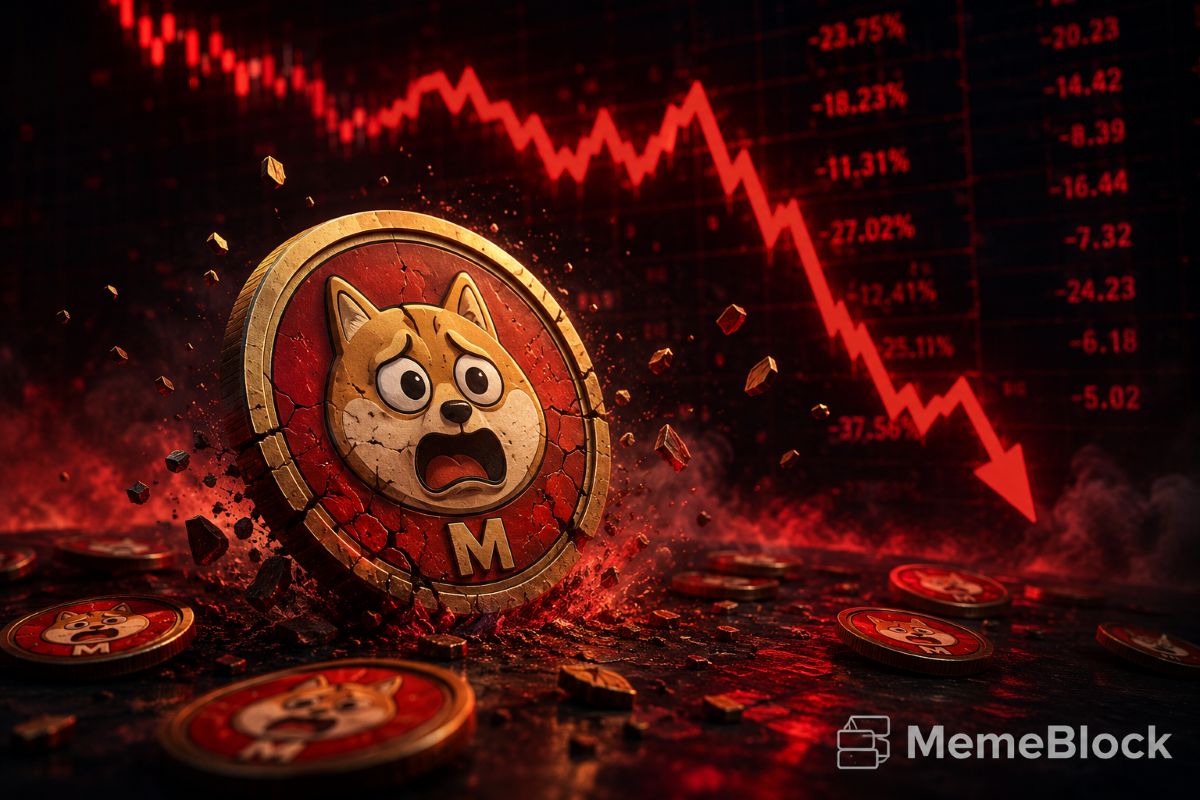
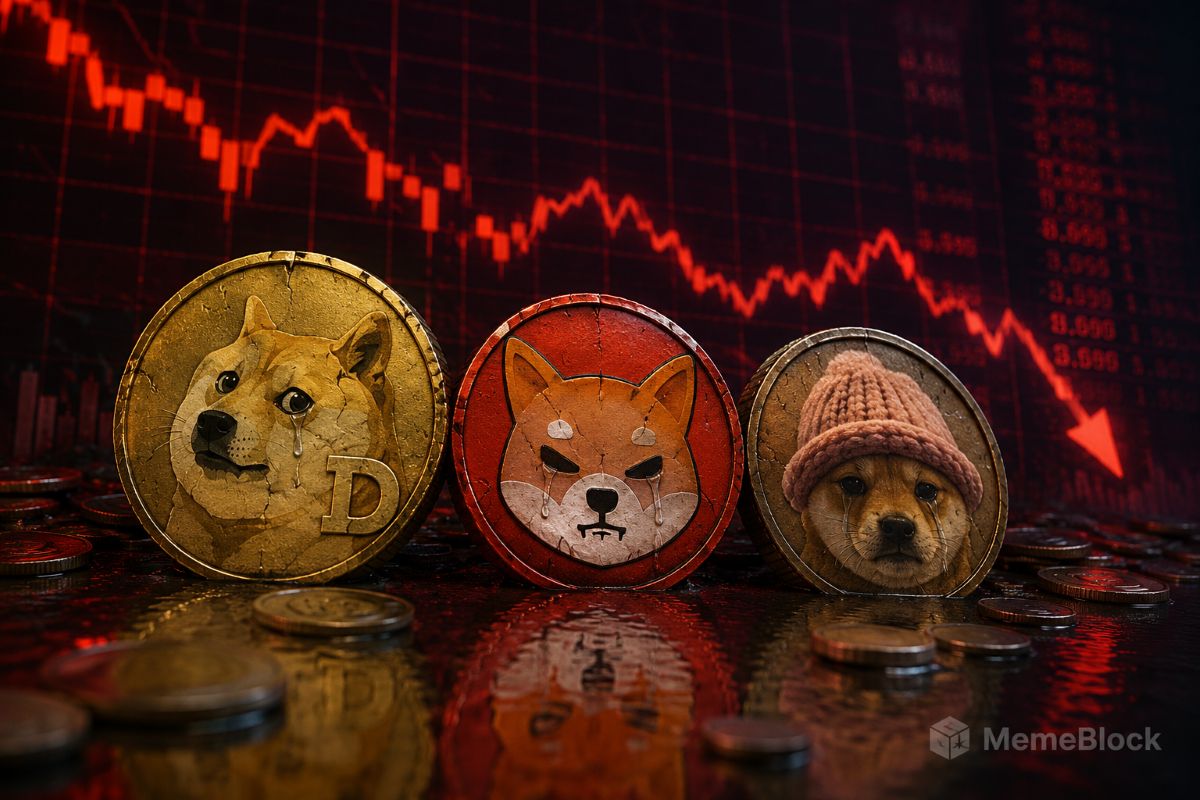
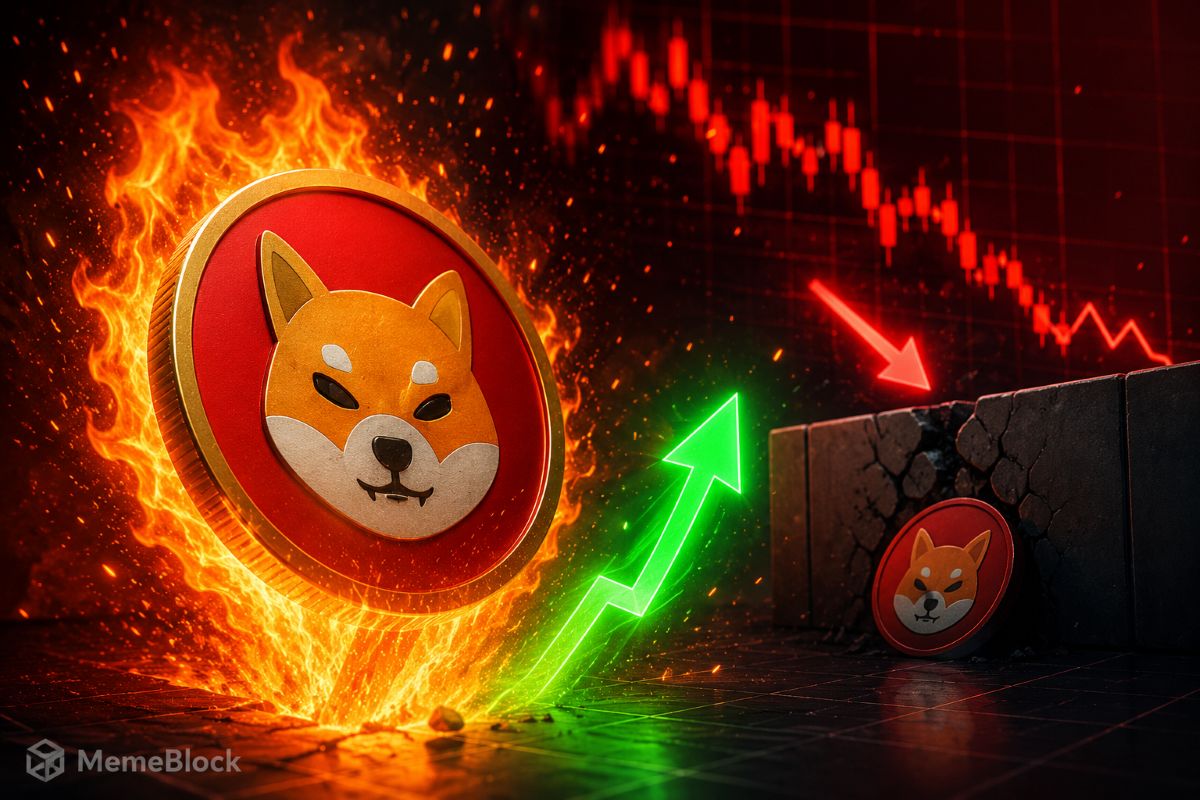
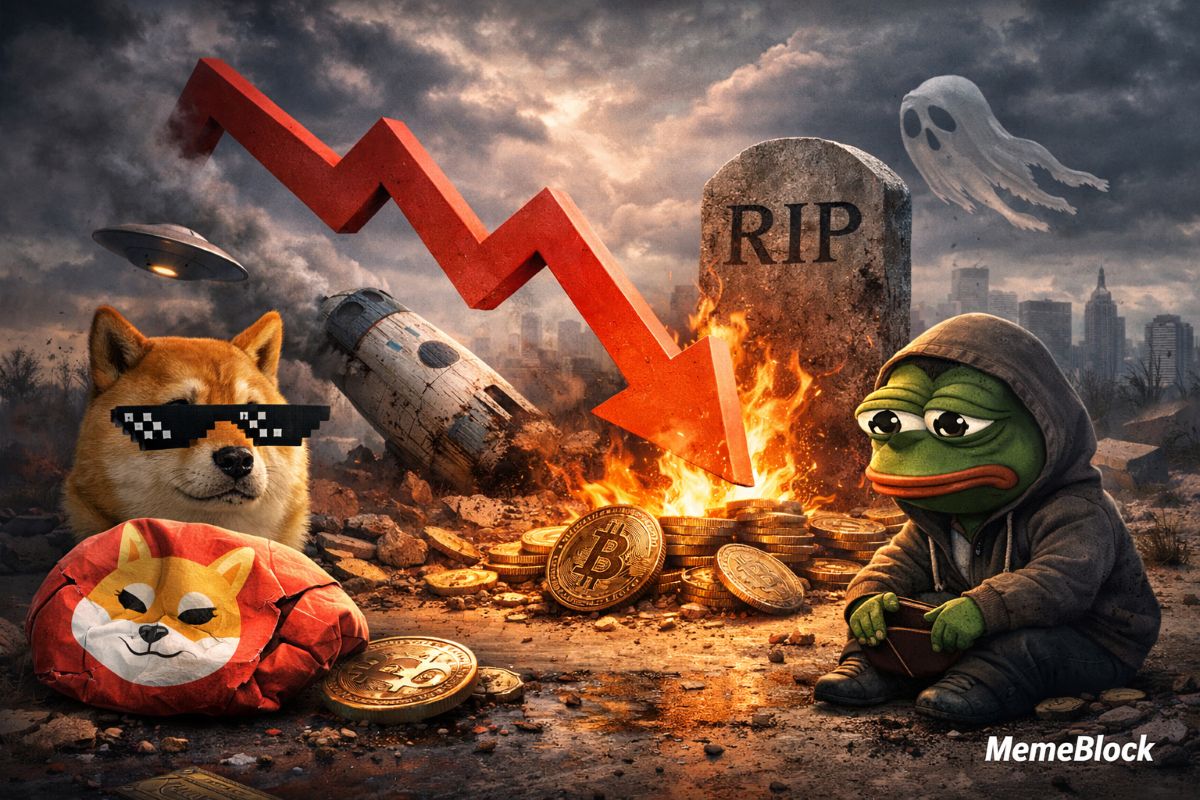
Shiba Inu (SHIB), one of the most recognizable meme coins in the crypto market, is facing renewed selling pressure as its burn rate plummets and large holders (whales) continue to offload their positions.
According to on-chain data, SHIB’s burn rate has dropped over 78% week-over-week, signaling a slowdown in community-driven supply reduction efforts. Meanwhile, several whale wallets, each holding tens of billions of SHIB tokens, have reportedly moved assets to exchanges, sparking fears of an impending price correction.
Burn Mechanism Weakens as Engagement Declines
The Shiba Inu ecosystem has relied heavily on token burns to create deflationary pressure and support price stability. However, the sharp fall in burn activity this month indicates waning user engagement and a potential loss of momentum for the community-driven project.
“The Shiba Inu burn economy is directly tied to community sentiment,” said blockchain analyst Victor Han. “As burn activity slows, it removes a key pillar of SHIB’s value narrative.”
Whales Exit, Market Turns Cautious
Recent blockchain activity shows several whale wallets transferring over 1.2 trillion SHIB to centralized exchanges, typically a sign of upcoming sell pressure. This follows a broader pattern of capital rotation toward larger-cap assets like Bitcoin (BTC) and Ethereum (ETH) amid renewed institutional interest in digital assets.
Despite the selling, some analysts argue that SHIB’s fundamentals remain intact, with continued development in the Shibarium Layer-2 ecosystem and plans to expand its DeFi and NFT integrations through 2026.
Technical Outlook
SHIB is currently trading around $0.000018, with key support near $0.0000165 and resistance at $0.000021. A sustained break below current levels could trigger further declines, particularly if whale selling intensifies and burn participation continues to lag.
FAQs
1. Why is Shiba Inu’s burn rate dropping?
The decline is attributed to reduced on-chain transaction volume and lower community participation in token burns.
2. What impact do whale movements have on SHIB’s price?
When large holders move tokens to exchanges, it often signals potential sell-offs, which can increase volatility and drive prices lower.
3. Is Shibarium still active despite the price decline?
Yes. The Shibarium Layer-2 network remains operational, with developers focusing on scaling and ecosystem partnerships.
4. Could the burn rate recover?
It’s possible if transaction volume and community activity increase, or if new incentive programs are launched.
5. What are analysts predicting for SHIB next?
Most analysts expect sideways to bearish movement in the short term, though long-term recovery depends on ecosystem growth and token utility.