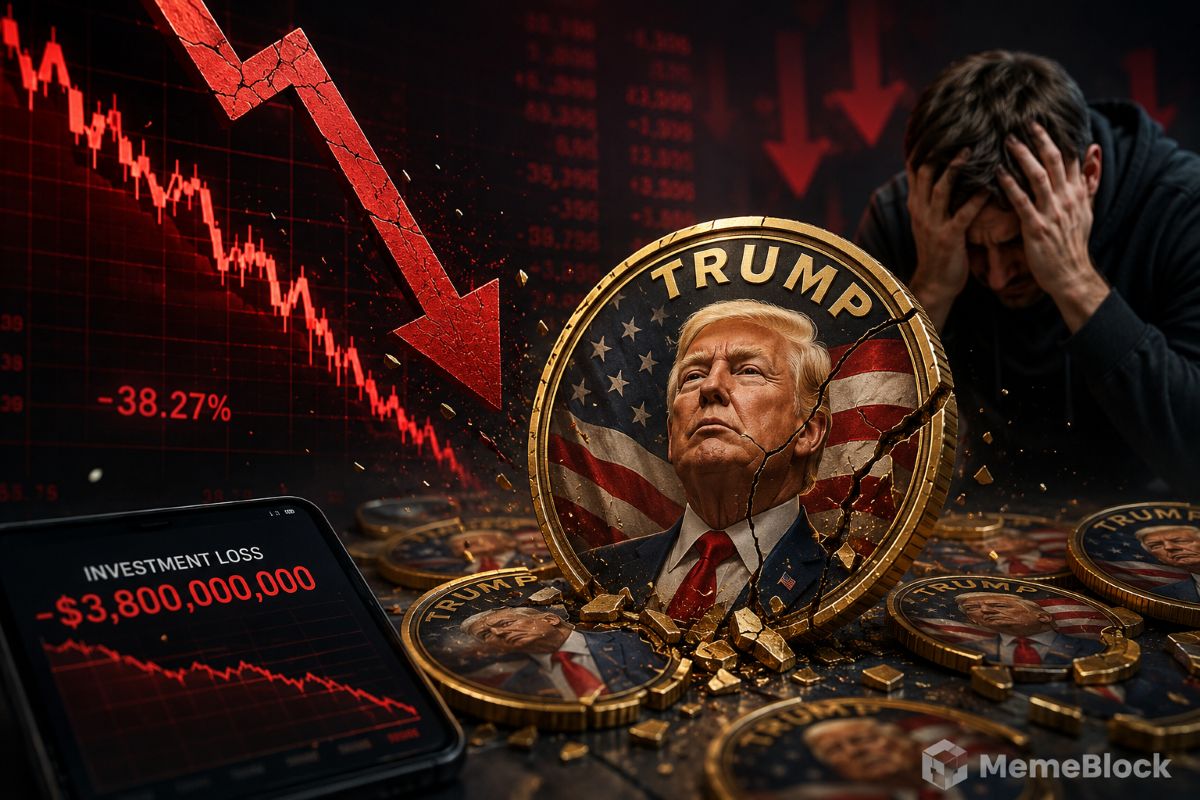
The memecoin sector, once a wild-ride favourite among crypto speculators, has plunged to a 2025 low, shrinking to a market capitalization of approximately $39.4 billion. This marks a dramatic drop from earlier 2025 highs, as investors appear to be shifting away from meme-based assets in favour of tokens with tangible utility and real-world use cases, such as those in the decentralized finance (DeFi) space.
What’s Behind the Collapse?
• Massive Sell-off and Volatility
In a single 24-hour window, the sector lost over $5 billion. Despite an uptick in trading volume, reportedly a 40 % surge, the value destruction was steep, underlining the fragility of speculation-driven tokens.
• Broad Crypto Market Downturn
The drop in memecoins coincides with a widespread slump across the broader crypto market. Major assets such as Bitcoin (BTC) and Ethereum (ETH) have also fallen, dragging down confidence in high-risk, low-utility tokens.
• Shift Toward Utility-Focused Tokens
Analysts and crypto platforms cite a growing trend: investors are reallocating capital from hype-driven meme coins to utility-based cryptocurrencies, especially those tied to DeFi, real-world assets (RWA), or functional protocols. As market structure becomes more conservative and risk-averse, speculative “pure belief assets” are losing ground.
Who Got Hit And What’s Surviving?
Tokens that once dominated the memecoin hype cycle, including Dogecoin (DOGE), Shiba Inu (SHIB), Pepe (PEPE), Bonk (BONK), and other top-10 memes, all logged steep losses.
Even with lower valuations, some smaller-cap tokens continue to attract speculative interest; however, the dominant momentum is clearly shifting away from the high-volatility, community-driven meme coins.
On the other hand, utility-first tokens and DeFi-oriented digital assets are experiencing a surge in relative demand, as investors seek lower-risk exposure and projects with long-term viability.
What This Means for the Crypto Market
- The memecoin crash underscores the higher vulnerability of hype-driven assets in a volatile macro environment, especially when broader crypto markets decline.
- Liquidity appears to be shifting into crypto assets with fundamentals: tokens tied to DeFi, real-use blockchain infrastructure, and tokens with proper tokenomics.
- The drop may mark a turning point: a move away from “meme-season” cycles to more mature, utility-driven crypto adoption.
- For retail investors drawn to memes for quick gains, 2025 serves as a warning: when sentiment changes, losses can be swift and severe.
What’s Next: Will Meme Coins Bounce Back?
Industry watchers remain cautiously open to a revival, but only under very specific conditions. A return of speculative mania might spark short-term rallies, but sustainable gains will likely depend on:
- Renewed sentiment or “hype cycles.”
- Real adoption or added utility for some meme coins (though that’s rare).
- Broader stability in the overall crypto market, perhaps buoyed by macroeconomic tailwinds, regulatory clarity, or institutional inflows.
For now, however, meme-coins seem to have lost their crown. The spotlight has shifted decisively to utility, and the numbers confirm it.
FAQs
Q: What caused the memecoin sector to fall to $39.4 billion?
A: A combination of a massive sell-off (over $5 billion wiped out in a single day), broad losses across the crypto market, and a shift in investor preference from speculative meme-coins to utility-based tokens.
Q: Does this decline mean memecoins are “dead forever”?
A: Not necessarily. While the current environment disfavors purely speculative tokens, memecoins could bounce back if hype returns, though such rallies would likely be short-lived and risky.
Q: Which types of crypto assets are gaining popularity instead?
A: Utility-focused cryptocurrencies, especially those tied to decentralized finance (DeFi), real-world assets (RWA), blockchain infrastructure, and other functional use cases, are currently attracting more investor interest.
Q: Are all meme coins affected equally?
A: No, larger, well-known memecoins like DOGE, SHIB, PEPE, and BONK have all taken hits. Smaller, low-cap tokens may continue to see speculative activity, but they tend to be even more volatile and risky.
Q: What should crypto investors learn from this crash?
A: Speculative, hype-driven investments carry high risk, especially when macro conditions worsen. Diversifying into tokens with real utility, solid fundamentals, and long-term potential is generally safer than chasing the next viral meme coin.