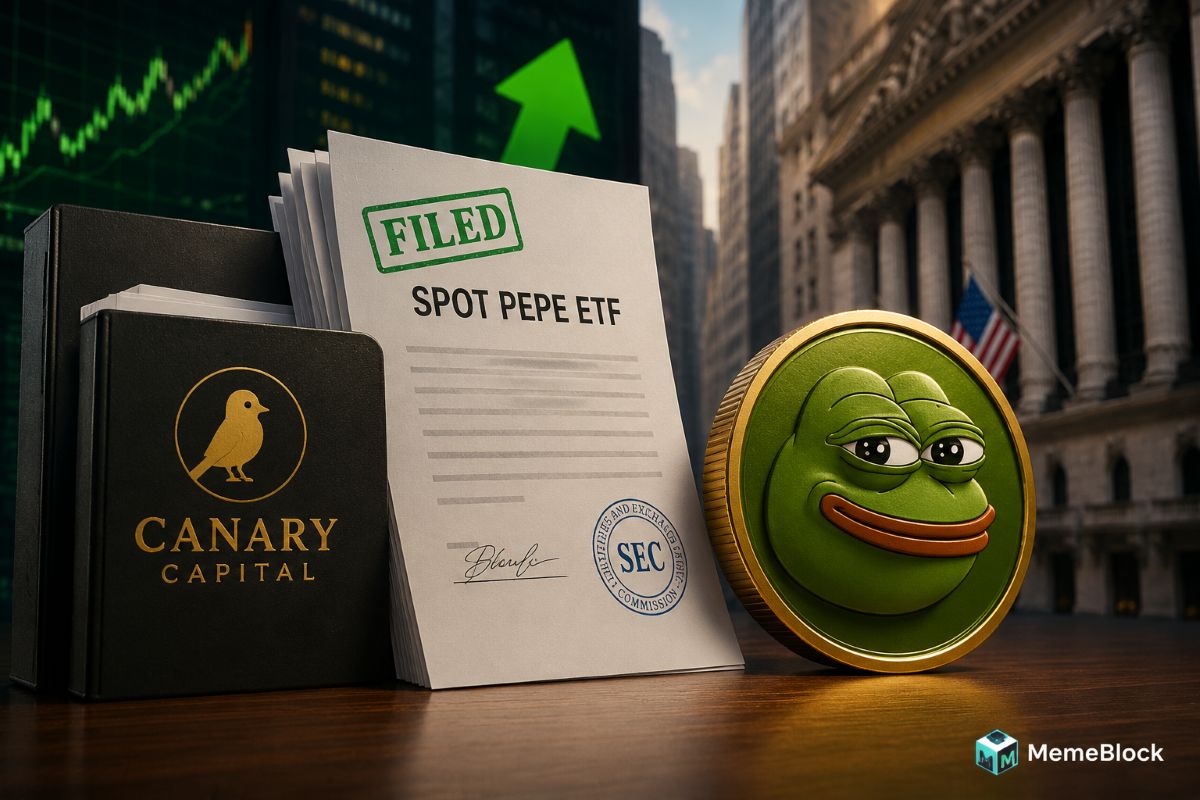
The race to launch the next generation of cryptocurrency exchange-traded funds (ETFs) is accelerating. However, not every proposal appears to have the same path to approval. While fund managers continue filing applications for leveraged memecoin ETFs and diversified “crypto basket” products, market analysts believe these offerings could receive closer regulatory scrutiny. This is especially true compared to traditional spot crypto funds.
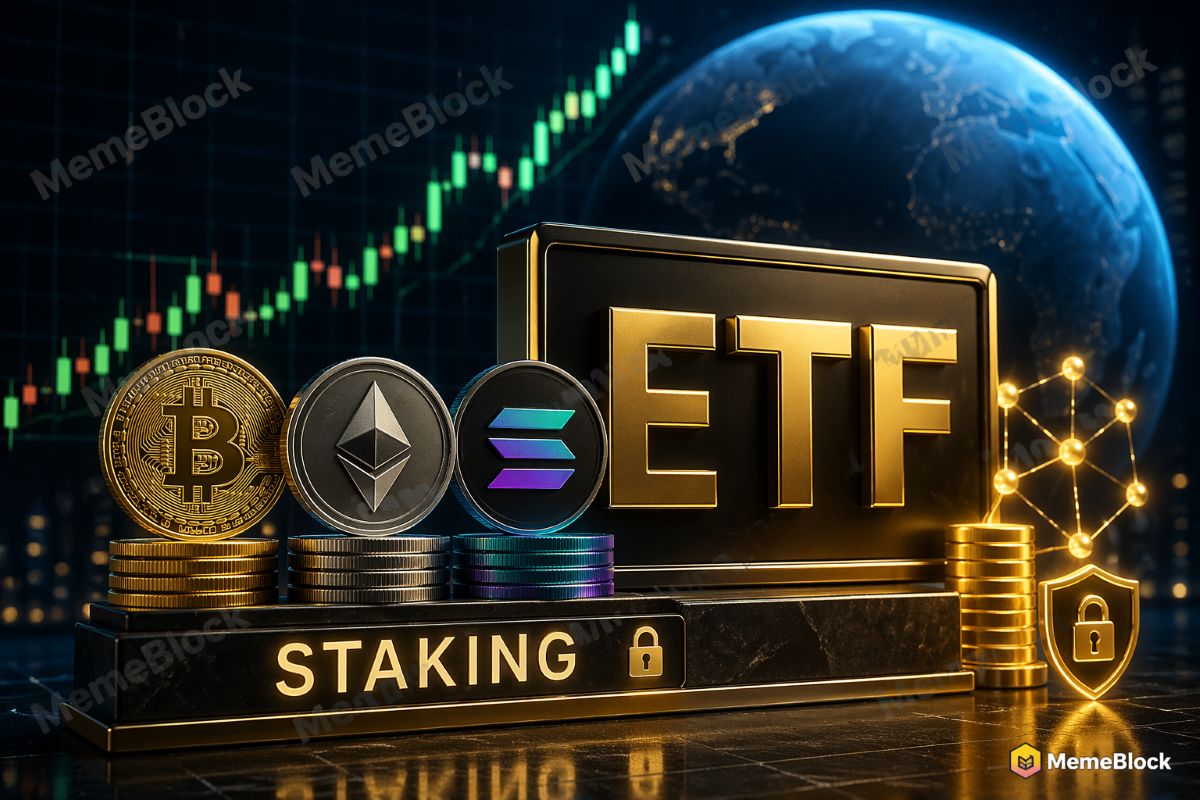
The changing landscape comes as Solana staking-enabled ETFs continue gaining attention. By allowing investors to earn staking rewards alongside price exposure, these products offer an additional source of return. This additional yield could make speculative leveraged memecoin products less attractive from both a regulatory and investment perspective.
As issuers compete to introduce innovative crypto investment vehicles, the debate is shifting from simply offering digital asset exposure. Now, it is also about providing long-term value for investors.
Solana Staking ETFs Raise the Standard
Spot Bitcoin and Ethereum ETFs opened the door for institutional crypto adoption. However, the next wave of innovation has centered on proof-of-stake assets such as Solana. Several ETF proposals now include staking rewards, enabling investors to receive network-generated yield without directly managing crypto wallets.
This feature creates a meaningful distinction between staking-enabled products and leveraged memecoin ETFs. Instead of relying solely on price volatility, staking funds can generate additional returns through blockchain validation rewards. At the same time, they maintain exposure to the underlying asset.
Industry observers argue that this makes Solana-based products easier to justify from an investment standpoint, particularly for long-term portfolio allocations.
Why Leveraged Memecoin ETFs Face More Scrutiny
Leveraged ETFs already carry higher risks because they seek to amplify the daily performance of an underlying asset. Applying leverage to highly volatile memecoins increases those risks significantly.
Regulators have consistently emphasized investor protection when reviewing crypto-related financial products. Memecoins often experience sharp price swings, lower liquidity, and stronger influence from online sentiment. This differs from what is seen with established cryptocurrencies such as Bitcoin, Ethereum, or Solana.
Crypto basket ETFs containing multiple digital assets may also receive additional examination depending on their composition. Products heavily weighted toward speculative tokens could face questions about pricing transparency, liquidity, and market manipulation safeguards. These must be addressed before regulatory approval is received.
These concerns are not new, but the growing number of crypto ETF filings has increased the need for regulators to distinguish between investment-grade products and higher-risk offerings.
Crypto Basket ETFs Continue to Gain Momentum
Despite regulatory caution surrounding leveraged memecoin products, diversified crypto basket ETFs remain an attractive concept for many institutional investors.
Rather than concentrating exposure in one cryptocurrency, these funds spread investments across several digital assets. This diversified approach can reduce concentration risk while allowing investors to participate in broader crypto market growth.
Asset managers continue experimenting with different portfolio structures, including combinations of Bitcoin, Ethereum, Solana, XRP, Avalanche, and other leading blockchain networks. This strategy resembles traditional index investing while offering regulated access to digital assets through conventional brokerage accounts.
However, regulators are expected to evaluate each proposed basket individually based on asset quality, liquidity, custody arrangements, and investor disclosures.
What This Means for Crypto Investors
The current wave of ETF filings highlights how rapidly the digital asset industry is evolving. Product innovation is expanding beyond simple spot exposure into staking, leveraged strategies, income generation, and diversified crypto portfolios.
While leveraged memecoin ETFs may attract traders seeking higher short-term returns, staking-enabled Solana ETFs present a different value proposition. They do so by combining capital appreciation with network rewards. That distinction could influence both investor demand and regulatory decisions in the months ahead.
Ultimately, approval timelines will depend on whether issuers can demonstrate sufficient investor protections while satisfying evolving regulatory standards. As crypto ETFs become more sophisticated, regulators appear increasingly focused on balancing innovation with market stability.
For investors, the takeaway is clear: the next chapter of crypto ETFs will likely reward products that combine transparency, sustainable investment mechanics, and long-term utility. This is preferable rather than relying solely on speculative momentum.