Stanley Pushes Deeper Into Crypto ETF Market
Morgan Stanley is expanding its digital asset strategy with new filings for proposed Ethereum (ETH) and Solana (SOL) exchange-traded funds, revealing an annual sponsor fee of just 0.14% for both products. The updated filings mark another major step in the investment bank’s growing presence in the cryptocurrency ETF market and position the firm as one of the most aggressive competitors in the race for institutional crypto investors.
The proposed ETFs, named the Morgan Stanley Ethereum Trust and Morgan Stanley Solana Trust, would provide investors with regulated exposure to two of the largest blockchain networks while charging one of the lowest management fees currently seen among crypto investment products. According to the amended registration statements, the 0.14% annual fee would be calculated daily and paid monthly from each fund’s net asset value.
Fee Structure Undercuts Much of the ETF Industry
The 0.14% expense ratio is particularly noteworthy because it sits below the fee levels commonly charged by many existing cryptocurrency ETFs. Industry observers have pointed out that Morgan Stanley has already used a similar pricing strategy for its Bitcoin ETF, which launched earlier in 2026 with a market-leading 0.14% fee.
Historically, spot Ethereum ETF fees have ranged between approximately 0.19% and 0.25% among major issuers. By introducing ETH and SOL products at 0.14%, Morgan Stanley is signaling that cost competitiveness will be a key part of its digital asset expansion strategy.
Lower fees can be especially attractive for long-term investors because fund expenses directly affect overall returns over time. The move may also increase pressure on competing issuers to revisit their pricing structures as the crypto ETF market continues to mature.
Staking Features Could Boost Investor Returns
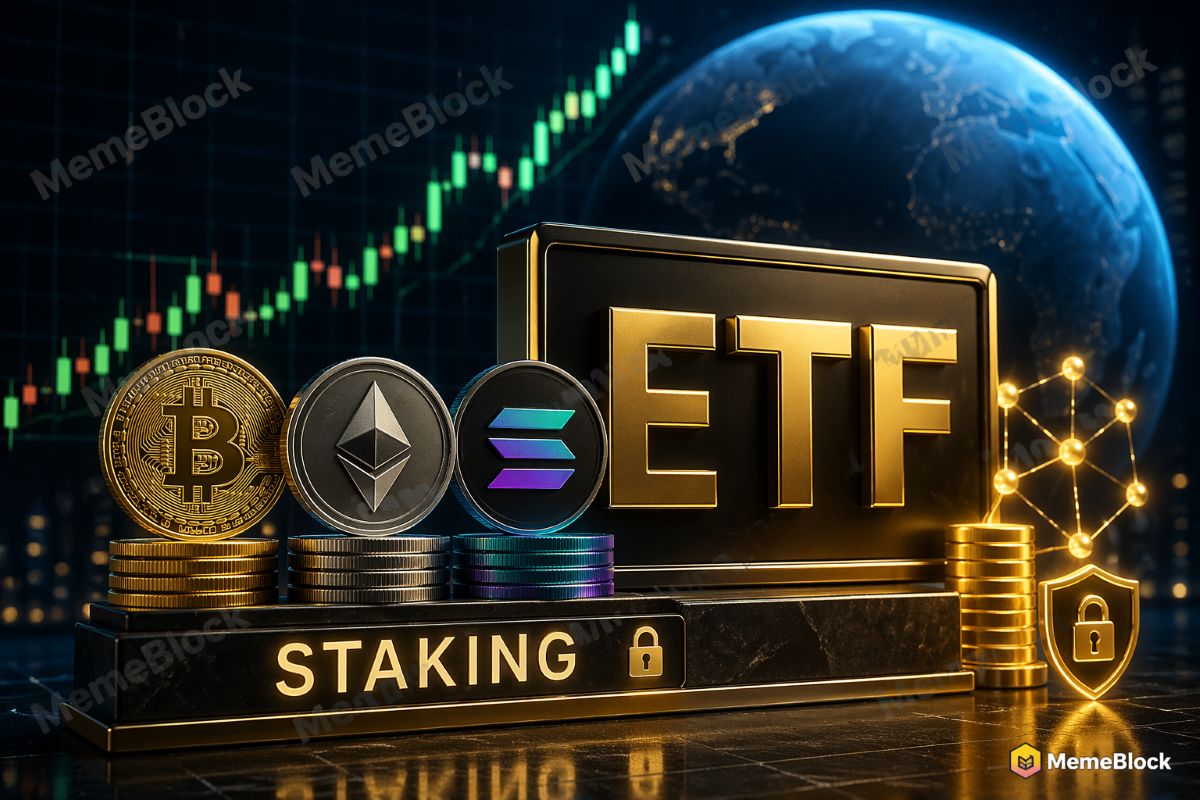
One of the most important aspects of the filings is the inclusion of staking provisions for both ETFs. Under the proposed structure, the trusts would be allowed to stake a portion of their Ethereum and Solana holdings to generate additional yield.
Morgan Stanley disclosed that custodians and staking service providers would collectively receive 5% of staking rewards as compensation, while the remaining 95% would stay within the trusts for the benefit of shareholders. This structure is designed to allow investors to participate in blockchain staking rewards without directly managing crypto assets or validator operations.
For Ethereum, the filing outlines a process in which custodians would place ETH into Ethereum staking contracts while professional service providers operate validators. Similar staking arrangements would apply to the Solana ETF.
Growing Institutional Demand for Crypto Exposure
The latest filings come as institutional demand for regulated cryptocurrency investment vehicles continues to increase. Morgan Stanley has steadily expanded its digital asset offerings throughout 2026, including the launch of its Bitcoin ETF and the filing of additional crypto-related investment products.
The bank’s entry into Ethereum and Solana ETFs reflects growing investor interest beyond Bitcoin. Ethereum remains the leading smart-contract blockchain, while Solana has emerged as a major network for decentralized finance, tokenization, and consumer-facing blockchain applications.
If approved by U.S. regulators, the proposed ETFs could provide traditional investors with easier access to both assets through standard brokerage accounts while benefiting from institutional-grade custody and regulatory oversight.
What’s Next for Morgan Stanley’s ETH and SOL ETFs?
The filings are still subject to regulatory review by the U.S. Securities and Exchange Commission. However, the disclosure of final fee structures and staking mechanisms suggests that Morgan Stanley is advancing toward a potential launch.
With a 0.14% fee, built-in staking rewards, and the backing of one of Wall Street’s largest financial institutions, the proposed Ethereum and Solana ETFs could become significant competitors in the rapidly expanding crypto ETF sector. As institutional adoption accelerates, these products may help shape the next phase of cryptocurrency investing for both retail and professional investors.