The artificial intelligence sector continues to reshape global technology markets. However, recent developments surrounding Anthropic have sparked a broader conversation about the future of AI ownership and control. As regulatory and ownership concerns increasingly surround leading centralized AI companies, Grayscale Research believes decentralized AI could emerge as a compelling alternative within the digital asset ecosystem. Consequently, this shift is drawing fresh attention from crypto investors. Many are seeking exposure to blockchain-powered AI infrastructure.
Anthropic Developments Highlight Centralization Concerns
Anthropic has become one of the most influential AI companies in the world. It is now competing directly with major players in the generative AI race. However, recent discussions surrounding ownership concentration, investment restrictions, and access to advanced AI technologies have reignited concerns. As a result, there are worries about how much power is being consolidated among a small number of organizations.
These developments have strengthened arguments in favor of decentralized AI models. In these models, ownership, governance, computing resources, and data contributions can be distributed across global networks. This stands in contrast to control by a handful of corporations. Furthermore, industry analysts increasingly view decentralization as a potential solution to transparency, accessibility, and censorship challenges. Such challenges are associated with centralized AI development.
Grayscale Doubles Down on Decentralized AI
Grayscale has been one of the strongest institutional advocates for decentralized AI within the crypto industry. In 2024, the asset manager launched its Decentralized AI Fund. This fund provides investors with exposure to blockchain projects operating at the intersection of artificial intelligence and cryptocurrency. The fund initially included projects such as Bittensor (TAO), Near Protocol (NEAR), Render (RNDR), Filecoin (FIL), and Livepeer (LPT).
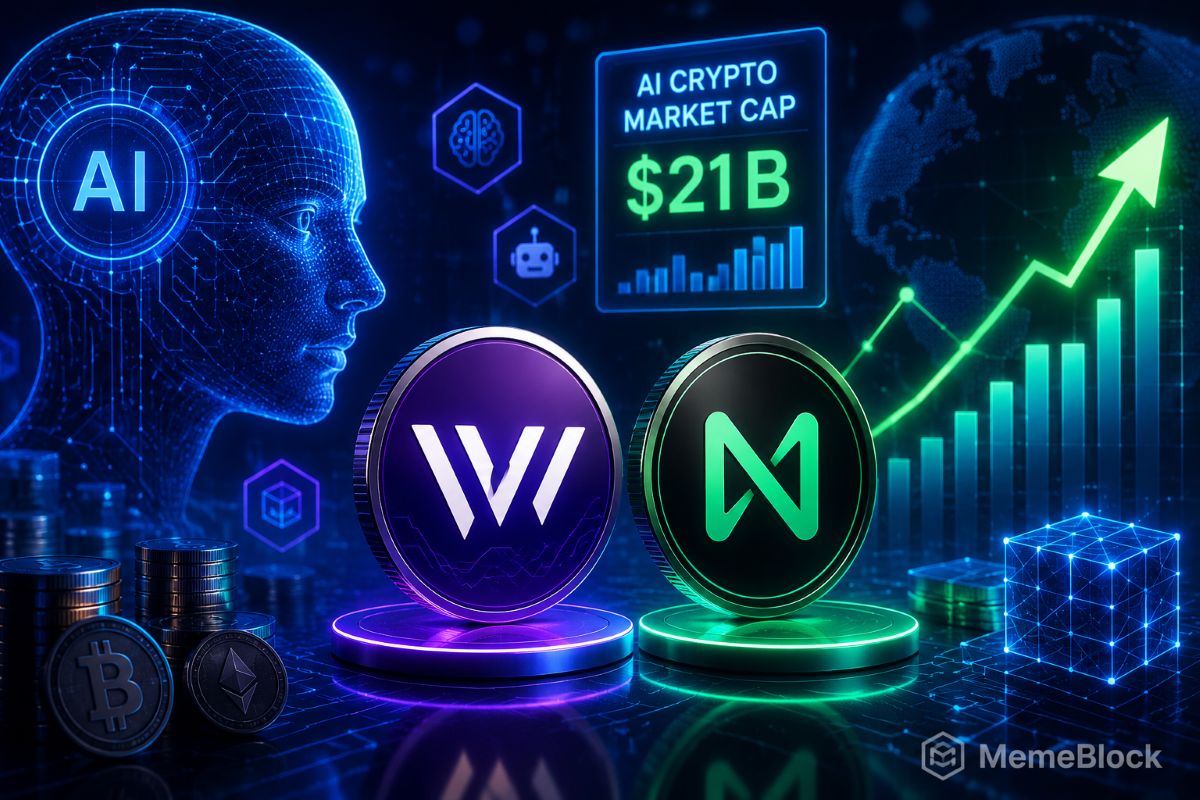
Building on that momentum, Grayscale introduced a dedicated Artificial Intelligence Crypto Sector in 2025. The firm identified AI-focused blockchain projects as one of the fastest-growing segments in digital assets. Additionally, they cited increasing adoption, rising market capitalization, and growing investor demand. According to Grayscale Research, decentralized AI projects now represent a distinct category within the broader crypto market.
Why Decentralized AI Is Gaining Momentum
Unlike traditional AI companies that rely on centralized infrastructure, decentralized AI networks distribute computational power, data resources, and governance among participants. Supporters argue that this model can reduce single points of failure. Moreover, it can improve transparency and accessibility.
Projects such as Bittensor focus on creating open AI development networks, while Render provides decentralized GPU computing power. Filecoin contributes decentralized storage infrastructure, and Near Protocol supports scalable blockchain applications for AI-related services. Together, these platforms aim to create a more open AI ecosystem capable of competing with centralized alternatives.
Investor interest has also been fueled by the rapid growth of AI-related crypto assets. Grayscale notes that decentralized AI has become one of the most discussed narratives across crypto communities. New projects continue to enter the market and attract capital.
Market Outlook for AI Crypto Tokens
The convergence of blockchain and artificial intelligence remains one of the most closely watched trends in digital assets. While challenges around scalability, adoption, and real-world utility persist, institutional recognition from firms like Grayscale signals increasing confidence. This confidence is in the sector’s long-term potential.
As concerns about centralized AI ownership continue to grow, decentralized AI platforms may benefit from rising demand for transparent, community-driven alternatives. For crypto investors, the latest developments surrounding Anthropic serve as another reminder that the future of artificial intelligence may not belong exclusively to large technology companies. Instead, decentralized networks could play an increasingly important role in shaping the next generation of AI innovation.