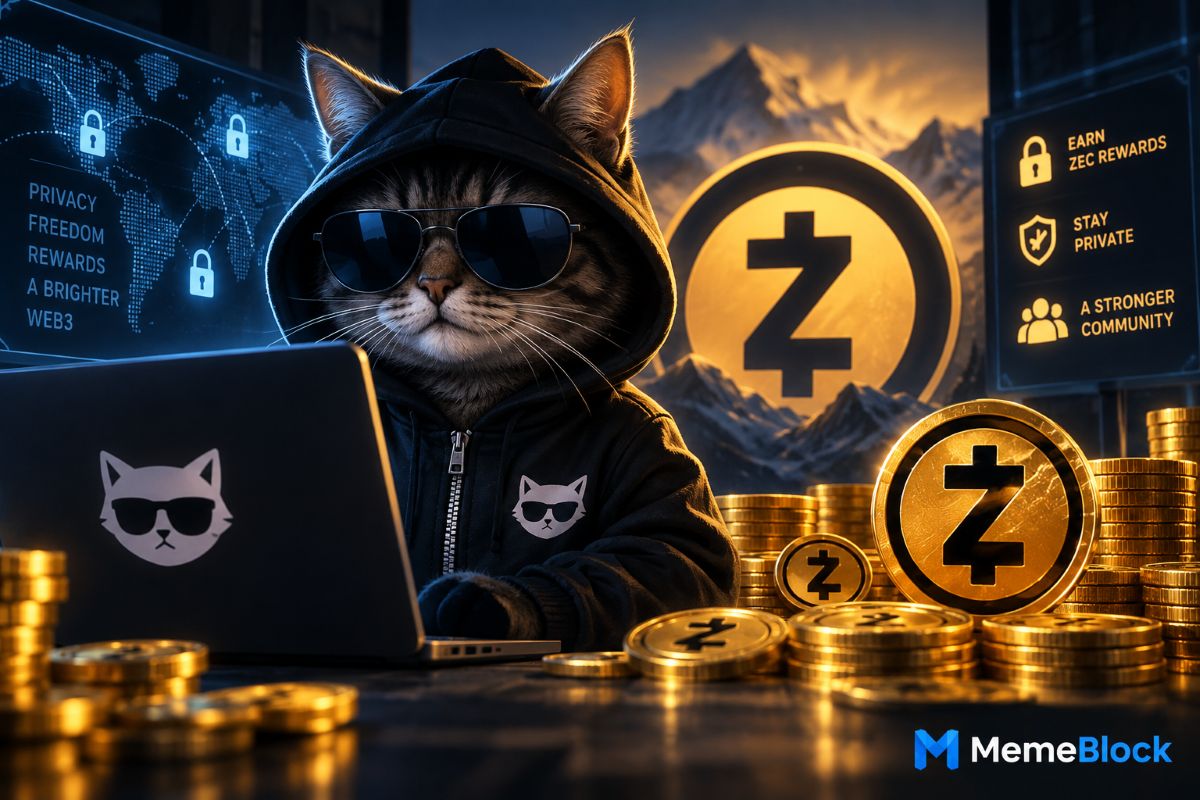
Zcash (ZEC) remains one of the most well-known privacy-focused cryptocurrencies in 2025, offering optional shielded transactions powered by zero-knowledge proofs. In this review, we assess Zcash’s privacy tech, usability, ecosystem progress, and whether recent upgrades have made it a practical choice for everyday privacy-conscious users and institutions.
What makes Zcash private and different?
Zcash uses zk-SNARKs, zero-knowledge proofs that let a user prove a transaction is valid without revealing the sender, recipient, or amount. Over the years, Zcash has evolved its proving system to reduce reliance on trusted setups and improve scalability. The NU5 upgrade (and related protocol work) moved Zcash’s proving stack toward the Halo family, addressing long-standing trusted-setup concerns and improving efficiency for shielded transactions.
Recent technical progress (2024–2025)
Development in 2025 has focused on making shielded transactions more efficient and easier to use. The Electric Coin Company (ECC) and the Zcash community released roadmaps and incremental improvements to improve wallet UX, reduce proof generation cost, and expand cross-chain capabilities. These steps aim to increase the percentage of ZEC transacted in the shielded pool and make private transfers more frictionless for retail and institutional users.
Usability wallets, exchanges, and adoption
Historically, the main barrier to shielded adoption was UX and compute cost: creating a shielded proof used to be slow and resource-heavy. Post-NU5 and follow-on work, many wallets and services have added better support for shielded flows and temporary addresses, and many exchanges and custody providers now support shielded withdrawals or improved privacy-friendly options. That said, most ZEC still circulates in transparent pools, so users must take care to use shielded wallets and follow best practices to preserve privacy.
Security and regulatory
Zcash’s move to Halo-based proving reduces trusted-setup risk, which strengthens the protocol’s security model. But privacy coins face continued regulatory scrutiny in many jurisdictions; users and services must balance privacy goals against compliance requirements. The Zcash Foundation and ECC have been active in outreach and tooling to help legitimate privacy use-cases while engaging with regulators.
Performance and costs
NU5-era improvements lowered proof-generation overhead and improved verification performance. For end users, that translates to faster shielded transactions on modern wallets and reduced CPU/time costs for proof creation. Still, shielded transactions can be pricier than transparent ones, depending on network fee dynamics and wallet implementation.
Who should use Zcash in 2025?
Zcash is a strong option for users who want cryptographic, on-chain privacy rather than off-chain or custodial privacy solutions. Thanks to protocol upgrades (NU5/Halo), better wallets, and an active developer roadmap, ZEC is more practical today than it was several years ago, but achieving privacy requires using shielded tooling correctly. Institutions exploring privacy-preserving rails should watch Zcash’s roadmap closely as integration and regulatory accommodations evolve.
FAQs
Q: What is the difference between shielded and transparent ZEC?
A: Transparent ZEC behaves like Bitcoin (addresses and amounts visible). Shielded ZEC uses zk-SNARK proofs so sender, receiver, and amount can remain private on-chain. Proper privacy requires staying within shielded flows.
Q: Has Zcash removed the need for a trusted setup?
A: The NU5/Halo work transitions Zcash’s proving stack toward Halo-style proving, which aims to eliminate the need for ongoing trusted setup ceremonies and reduce associated risk.
Q: Are shielded transactions slower or more expensive?
A: Historically, they were more resource-heavy; post-NU5 improvements have reduced cost and latency, but shielded transactions may still carry higher computational cost depending on wallet and network conditions.
Q: Can regulators block or ban Zcash?
A: Some jurisdictions target privacy coins with additional rules; while protocol-level privacy is technically resilient, access can be limited by exchanges, on-ramps, or local law. The Zcash community engages regulators to promote responsible privacy use.
Q: How do I maximize privacy when using ZEC?
A: Use reputable shielded wallets that implement temporary addresses and avoid converting shielded ZEC to transparent pools unnecessarily. Follow community privacy guides and keep wallet software updated.