The Balancer DAO stands out as one of the most well-known decentralized autonomous organizations (DAOs) in the DeFi (decentralized finance) world. It oversees the Balancer Protocol. This protocol is an automated market maker (AMM) and liquidity-pool protocol built on Ethereum and other EVM-compatible chains. This review walks you through Balancer DAO, its governance, strengths, weaknesses, and the 2025 security incident.
What is Balancer DAO
Balancer DAO is the decentralized community that governs Balancer Protocol. It serves as the decision-making body for changes, upgrades, and the direction of the platform.
Through its governance process, any holder of the native governance token, BAL, may participate in proposals and votes. Voting power can be enhanced by locking BAL into a time-locked staking derivative known as veBAL. This gives more influence over protocol decisions, fee models, and treasury allocation.
In addition to decision-making, Balancer DAO also oversees service providers and ecosystem councils. It includes collaborative structures such as the Balancer Foundation. They manage administrative, operational, and development tasks as voted by the community.
Core Features & How Balancer Protocol Works
The underlying protocol supported by the DAO enables:
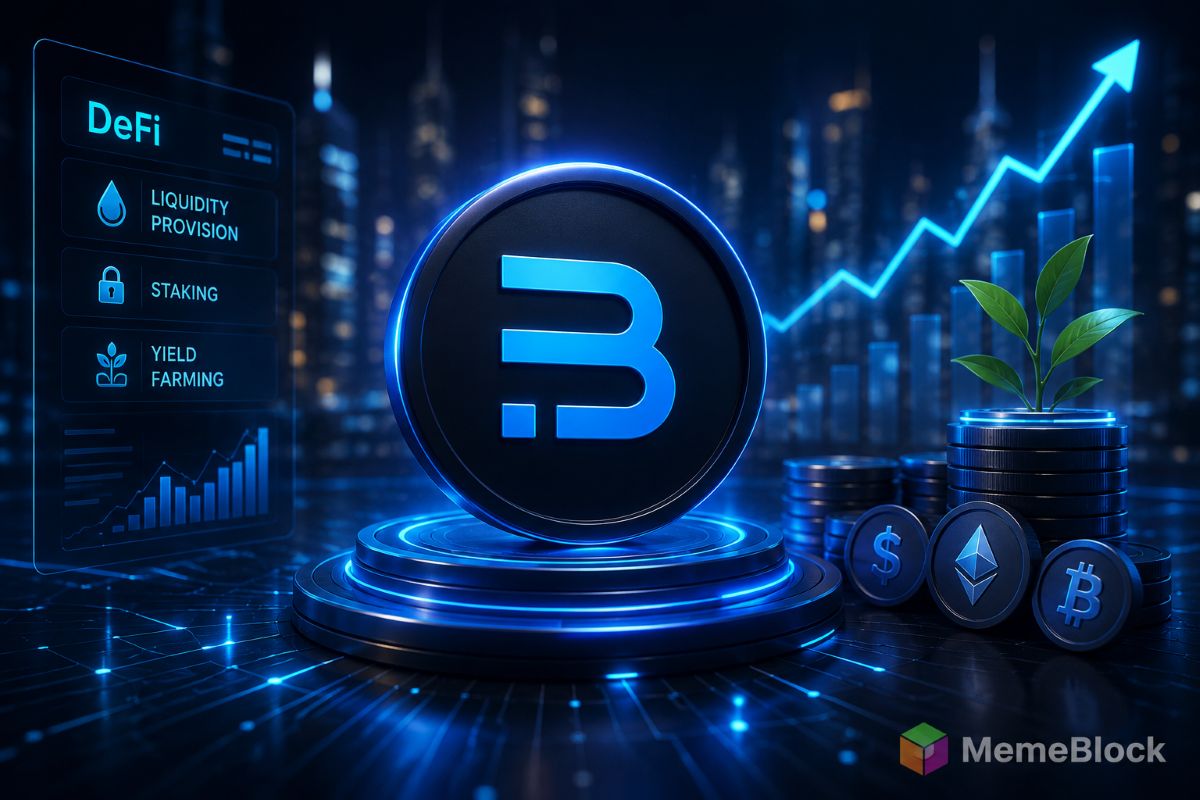
- Custom liquidity pools: Users can either join existing pools or create their own “weighted” or “stable” pools. They do this with custom allocations of ERC-20 tokens. These liquidity pools act like self-balancing portfolios. This is similar to index funds, but decentralized and permissionless.
- Token swapping and liquidity provisioning: Traders can swap ERC-20 tokens directly. Meanwhile, liquidity providers earn trading fees and yield incentives (often in BAL) for supplying assets.
- Flexibility & automation: Because of its AMM design and smart-contract infrastructure, the protocol automates rebalancing, fee distribution, and routing. This makes it efficient, decentralized, and composable with other DeFi projects.
Governance Model & Community Structure
Balancer DAO’s governance is designed to be transparent, decentralized, and open to participation:
- Proposal → Vote → Execution: Any community member with veBAL voting power can propose changes. The proposal is discussed and then voted on via an off-chain governance client (Snapshot). If it obtains sufficient quorum and support, it is executed on-chain.
- Dynamic ecosystem of contributors: Beyond just liquidity providers and token holders, the ecosystem includes dedicated groups. These include the Orb Collective, Balancer Foundation, and other service providers. They are responsible for protocol maintenance and community outreach. Frontend development also falls under DAO oversight.
- Funding & grants: Through a dedicated grants mechanism (often called the “Grants DAO”), Balancer supports third-party projects and ecosystem contributors. Grants are evaluated through rigorous due diligence. Grantees work under transparency and mentorship.
What Balancer DAO Does Well: Its Strengths
- True decentralization and open participation: Anyone holding BAL (or veBAL) can vote and propose changes, no gatekeepers. This empowers community governance and aligns incentives across token holders.
- Flexibility and customizability: Users can build bespoke pools or participate in a variety of existing pools. The protocol’s flexible AMM design supports diverse strategies, from stablecoin swapping to multi-token portfolios.
- DeFi composability: Because Balancer is modular and open-source, it integrates with other DeFi protocols. This opens opportunities for cross-protocol yield strategies, liquidity bootstrapping, and new financial products.
- Incentivized liquidity & governance alignment: Through liquidity mining and veBAL, Balancer encourages long-term participation and aligns user incentives with protocol health.
Risks & Recent Challenges: What to Watch Out For
However, Balancer DAO and Protocol are not without shortcomings:
- Smart contract risk: In November 2025, Balancer suffered a massive exploit. A vulnerability in its V2 smart-contract architecture allowed attackers to withdraw over US$100 million. The total losses were estimated between US$100–128 million.
- Governance centralization risk: While designed to be decentralized, governance concentration remains a concern. For example, a large token holder (a “whale” known as “Humpy”) amassed a large portion of veBAL. They used it to influence gauge weightings and direct BAL emissions, sparking fairness controversies.
- Complexity for beginners: Due to its pool mechanics, AMM logic, and governance structures, new users find Balancer less user-friendly than simpler DEXes. High gas fees on Ethereum also add to the barrier.
- Regulation & legal ambiguity: As with many DAOs, decentralized governance raises questions about legal status and compliance. Potential liability can arise, especially when funds are pooled and redistributed globally. Additionally, pseudonymous wallets pose challenges. This remains an industry-wide issue.
2025 Exploit What It Means for Balancer DAO
The 2025 exploit represents a severe blow to Balancer’s reputation. The vulnerability in the V2 contract architecture exposed a systemic weakness. This undermined one of the core promises of DeFi, security through code.
While the incident shows that even mature protocols with active governance are not immune to hacks, it also highlights the need for continuous audits and improved security practices. There may be a reconsideration of incentives encouraging risky pool designs or code changes. For users and liquidity providers, it underscores the reality of DeFi’s experimental nature. Potential high yields come with commensurate risk. Whether Balancer DAO can emerge stronger depends on a transparent post-mortem. Robust corrective measures and restoring community trust are also important.
FAQs
Q1: What is the difference between Balancer Protocol and Balancer DAO?
A: Balancer Protocol refers to the smart-contract system, the marketplace where token swaps, liquidity pools, and trades happen. Balancer DAO is the community and governance body that oversees, manages, and votes on changes to the protocol.
Q2: How can I participate in Balancer DAO governance?
A: To participate, you need to hold BAL tokens and ideally lock them to receive veBAL. With veBAL, you obtain voting power on proposals. Through the governance platform (via off-chain tools like Snapshot), you can vote, propose changes, or support ecosystem initiatives.
Q3: Is Balancer safe after the 2025 exploit?
A: While the exploit exposed a serious vulnerability, the security of Balancer, or any DeFi protocol, can never be guaranteed. Participating now involves a higher risk, so users should exercise caution, monitor governance proposals, risky pools, and avoid excessive exposure.
Q4: What are the benefits for liquidity providers on Balancer?
A: Liquidity providers earn trading fees when users swap tokens, plus potential incentives in BAL through liquidity mining. Customizable pools offer flexibility in asset allocation. Participants may benefit long-term if the protocol grows and governance decisions favor sustainable development.
Q5: What are the main disadvantages of using Balancer?
A: Key drawbacks include smart-contract risk (as demonstrated by 2025 exploit) and governance power concentration. These may undermine decentralization. Additionally, there is a steep learning curve for beginners. Potential gas-fee inefficiencies on the Ethereum network also pose challenges.