The rapid evolution of quantum computing is forcing the blockchain industry to rethink security from the ground up. Enter BMIC Quantum, a next-generation Web3 project aiming to safeguard digital assets against future quantum threats. This project review explores BMIC’s technology, tokenomics, strengths, and risks while assessing its real-world potential in 2026.
What Is BMIC Quantum?
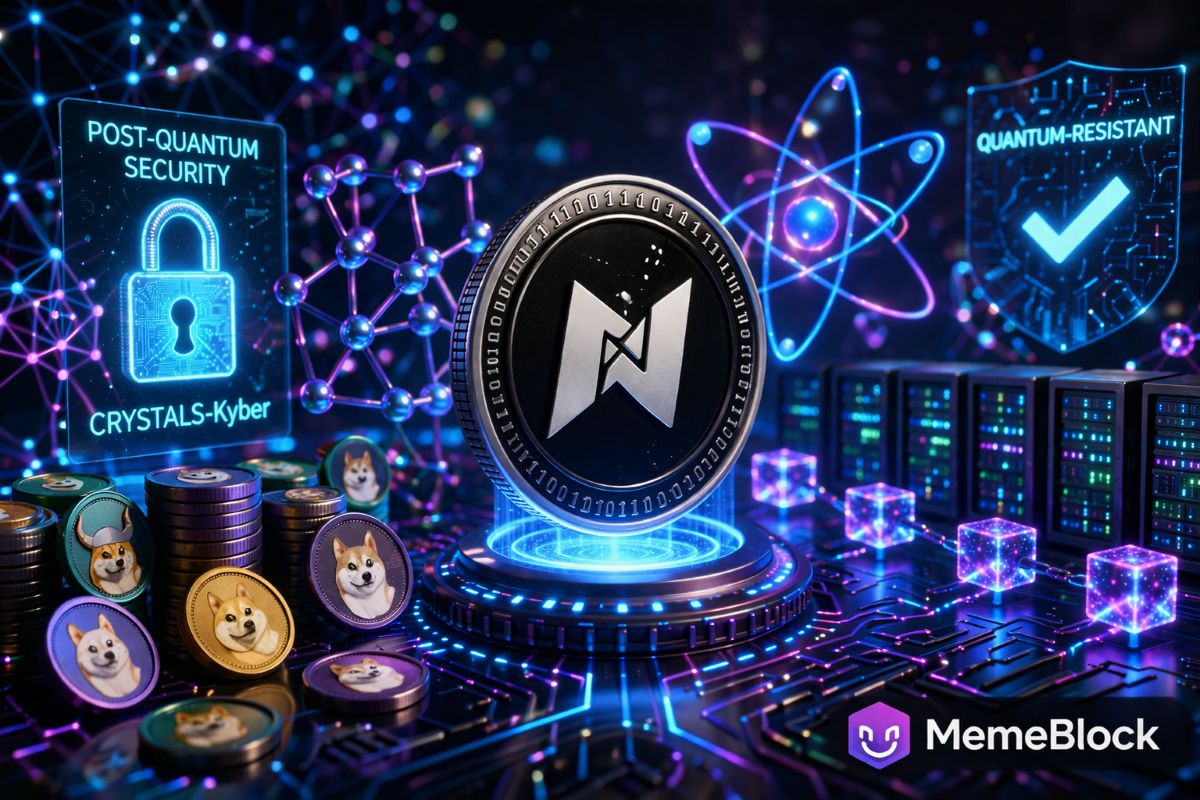
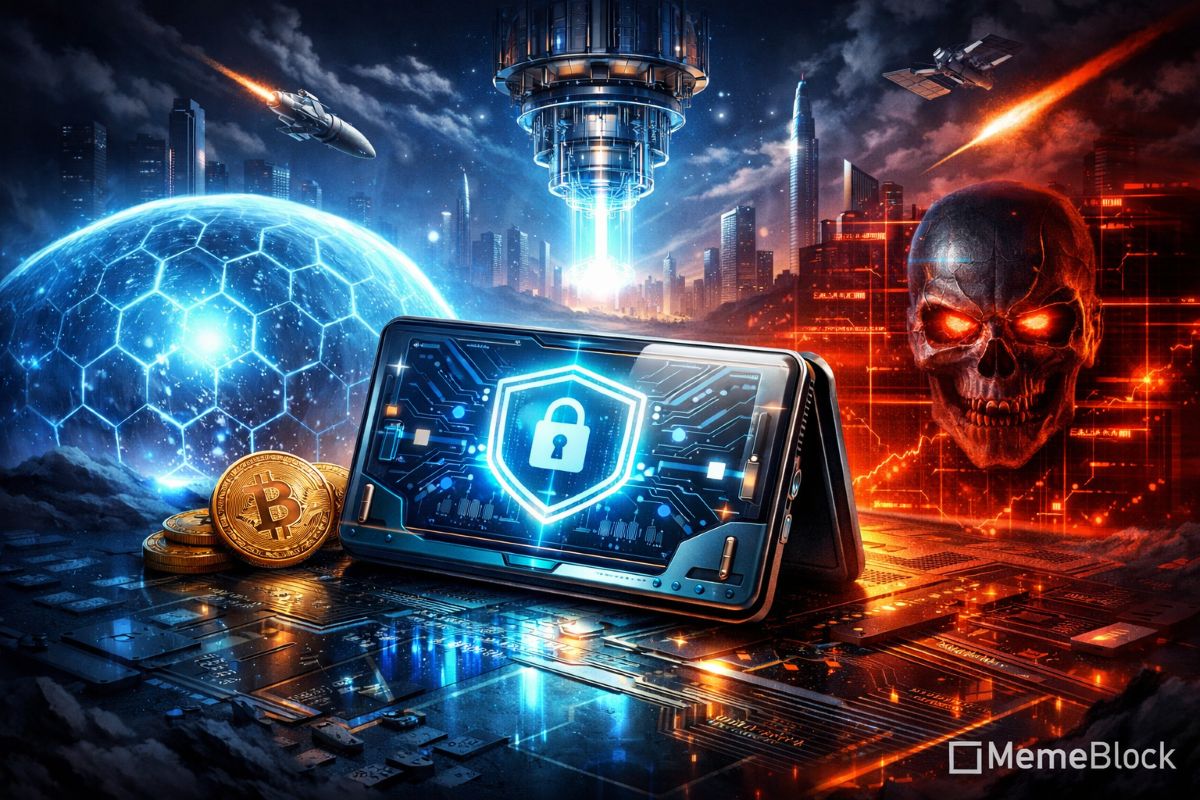
BMIC, short for Blockchain Micro-Ion Compute, is a decentralized security protocol designed to protect crypto wallets and digital assets using post-quantum cryptography (PQC). Unlike traditional wallets that rely on classical encryption, BMIC is engineered to withstand attacks from future quantum computers.
The platform combines blockchain, artificial intelligence, and quantum computing into a unified ecosystem. Its core offering is a quantum-resistant wallet alongside a broader Quantum Security-as-a-Service (QSaaS) infrastructure.
BMIC operates on the Ethereum network as an ERC-20 token and is currently in its presale phase, targeting a $40 million raise.
Core Technology Behind BMIC
BMIC’s biggest innovation lies in its forward-looking security architecture. The project addresses a growing concern known as “harvest now, decrypt later,” where hackers store encrypted data today and crack it using quantum computers in the future.
Key Features:
- Post-Quantum Cryptography (PQC): Uses NIST-aligned algorithms to resist quantum attacks.
- Signature-Hiding Wallets: Public keys are never exposed on-chain, reducing attack surfaces.
- Smart Accounts (ERC-4337): Enhances usability and security simultaneously.
- AI Integration: Monitors transactions and adapts security dynamically.
Additionally, BMIC is developing a decentralized quantum cloud network, enabling users to access advanced computing resources for complex workloads.
Tokenomics and Utility
The $BMIC token powers the entire ecosystem and serves multiple functions:
- Payments: Required for accessing wallet features and enterprise APIs
- Staking: Secures the network and rewards validators
- Governance: Token holders influence project decisions
- Burn-to-Compute Model: Tokens can be burned to generate compute credits
The total supply is capped at 1.5 billion tokens, with 50% allocated to presale participants.
This multi-utility design positions BMIC as more than just a speculative asset; it acts as the backbone of its quantum security infrastructure.
Strengths of BMIC Quantum
BMIC stands out in a crowded crypto market due to its strong technological narrative:
1. Future-Proof Security
The project directly addresses quantum computing risks, a problem most crypto wallets have yet to solve.
2. Innovative Architecture
Features like hidden public keys and hybrid cryptographic signatures provide a clear technical edge.
3. Expanding Use Cases
Beyond wallets, BMIC aims to serve enterprises with APIs and quantum computing services.
4. Early Market Positioning
Being among the first movers in quantum-resistant crypto infrastructure gives BMIC a competitive advantage.
Risks and Challenges
Despite its promise, BMIC is not without concerns:
1. Early-Stage Development
The project is still in presale, meaning its full ecosystem is not yet live.
2. Anonymous Team
Lack of transparency around the team raises credibility questions.
3. Market Competition
As quantum security gains attention, larger blockchain projects may enter the space.
4. Execution Risk
Building a decentralized quantum cloud and secure wallet simultaneously is technically complex.
Market Relevance in 2026
Quantum computing is no longer theoretical. Governments and tech giants are investing heavily in quantum research, increasing the urgency for quantum-resistant blockchain solutions.
BMIC positions itself as a “quantum-secure finance stack,” aiming to protect wallets, staking, and payments under one unified system.
If successful, it could play a critical role in the next phase of Web3 infrastructure.
Final Verdict: Is BMIC Worth Watching?
BMIC Quantum presents a compelling vision for the future of crypto security. Its focus on post-quantum cryptography, combined with AI and decentralized compute, makes it one of the more innovative projects in the 2026 presale landscape.
However, investors should approach cautiously. The project’s early stage, anonymous team, and ambitious roadmap mean that execution will be the deciding factor.
In summary, BMIC is not just another crypto wallet; it’s a high-risk, high-potential bet on the quantum future of blockchain security.