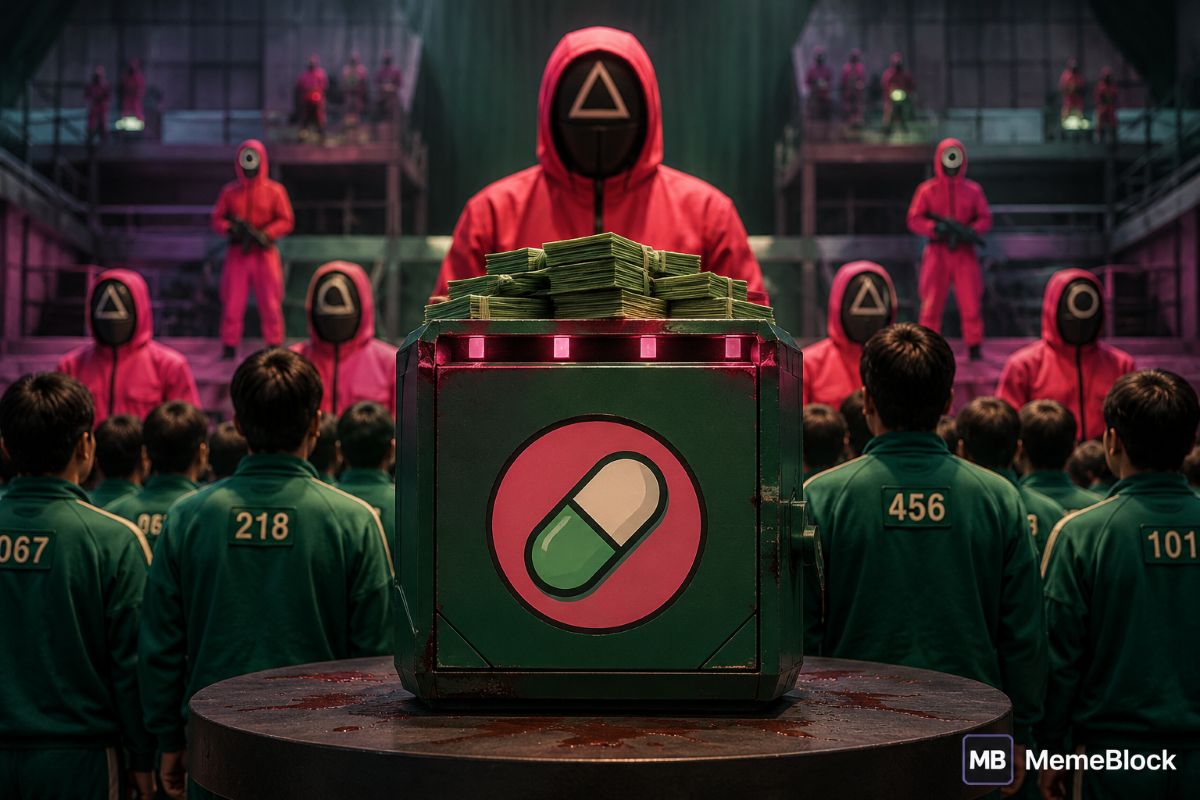
Pump.fun has once again found itself at the center of crypto controversy after launching GO, an open bounty marketplace that allows users to pay cryptocurrency rewards for virtually any task. While the Solana-based platform describes the product as a decentralized way to coordinate work and incentives, critics argue that some of the earliest bounty listings resemble scenes from the hit Netflix series Squid Game. These listings look more like Squid Game than a traditional freelance marketplace.
The launch has sparked intense debate across the crypto community. Supporters praise the platform’s innovation. However, detractors warn that it could encourage dangerous, exploitative, or ethically questionable behaviour.
What Is Pump.fun GO?
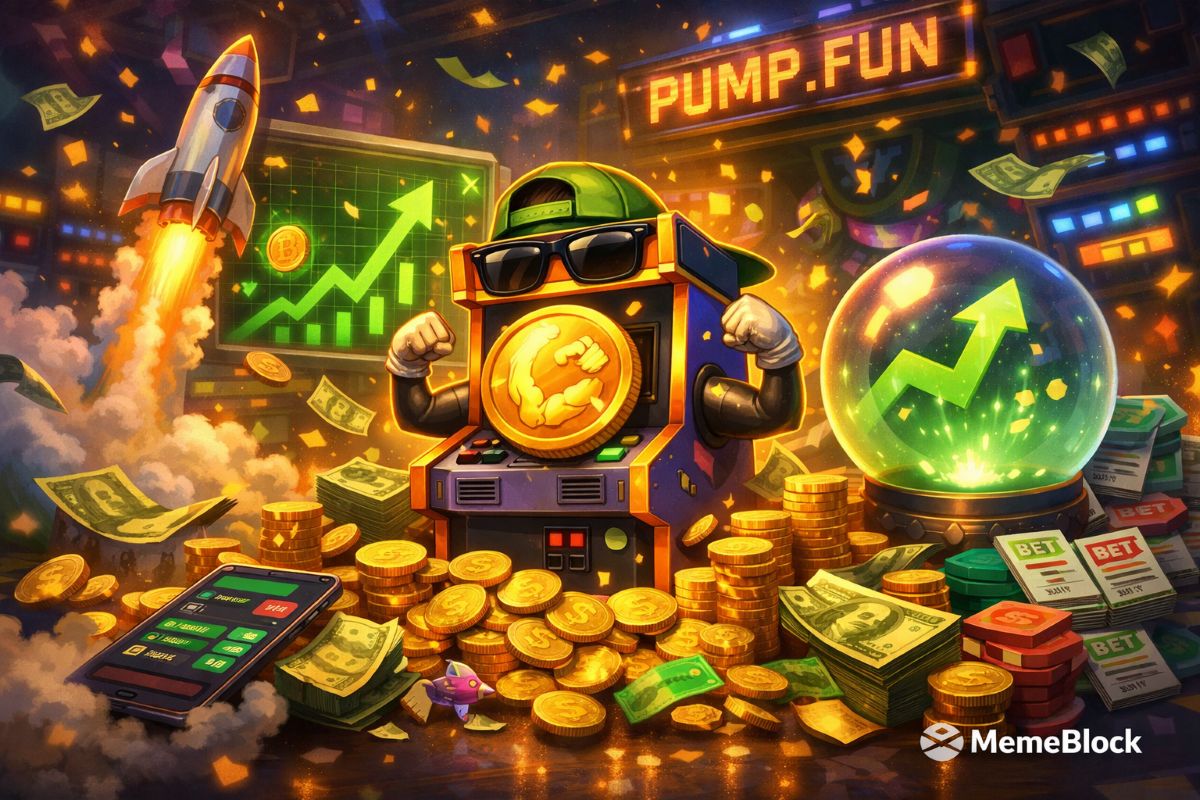
GO is a new bounty platform created by Pump.fun that enables users to post tasks and attach cryptocurrency rewards. Participants can complete these tasks, submit proof, and receive payment once the submission is reviewed and approved. Funds are reportedly held in escrow until the work is verified.
According to Pump.fun, the platform was designed to let users “complete bounties for ANY task.” Moreover, users can leverage global participation through crypto-native incentives. Additionally, users can browse opportunities based on reward size. They may also sort by popularity or submission volume.
At launch, the platform reportedly featured hundreds of active bounties and a six-figure reward pool available for participants.
The Bizarre Tasks Fueling Controversy
The controversy emerged almost immediately because many of the highest-paying bounties involved unusual or risky challenges. These were offered rather than traditional work assignments.
Reported listings included rewards for quitting a job on camera, tattooing a memecoin ticker symbol, conducting controversial interviews, and performing extreme promotional stunts. Furthermore, one bounty even reportedly offered tens of thousands of dollars for a World Cup-related pitch invasion stunt.
Other listings involved destructive acts designed to promote memecoins through viral content creation, raising concerns about safety and moderation standards.
The nature of these challenges quickly drew comparisons to Squid Game, the popular survival drama in which contestants perform increasingly risky tasks for financial rewards. Several crypto commentators publicly made the comparison on social media within hours of the launch.
Why the “Squid Game” Comparison Matters
The comparison goes beyond internet memes. Critics argue that bounty systems offering significant rewards for extreme actions may exploit people who are motivated by financial need.
Some observers have questioned whether platforms should allow challenges that could encourage reckless behavior, public disturbances, or potentially harmful publicity stunts. On the other hand, others believe the marketplace exposes a broader issue within the memecoin economy. In this economy, attention often becomes the most valuable asset.
Supporters, however, argue that the platform merely creates an open marketplace where users voluntarily choose tasks and rewards. They see GO as an experiment in crypto-powered coordination rather than a dangerous social phenomenon.
A Familiar Moderation Challenge for Pump.fun
The debate surrounding GO also revives longstanding concerns about content moderation on Pump.fun. The platform previously faced scrutiny over user-generated content. It also faced controversy about livestream features that attracted criticism due to extreme behavior by some participants.
With GO, Pump.fun now faces a similar challenge: balancing permissionless innovation with safeguards that prevent abuse and reputational damage.
The company has stated that certain forms of spam are prohibited and that submissions undergo review before rewards are released. However, critics argue that stronger moderation policies may be necessary as the platform scales.
What’s Next for Pump.fun?
Despite the backlash, GO has already generated significant attention. This may have been part of the objective. Pump.fun has built much of its success around viral internet culture and memecoin speculation. Now, the new bounty marketplace appears to extend that strategy into real-world actions.
Whether GO evolves into a legitimate decentralized work marketplace or becomes remembered as crypto’s version of Squid Game will likely depend on how effectively Pump.fun manages risk, moderation, and public perception. These factors will be important in the months ahead.