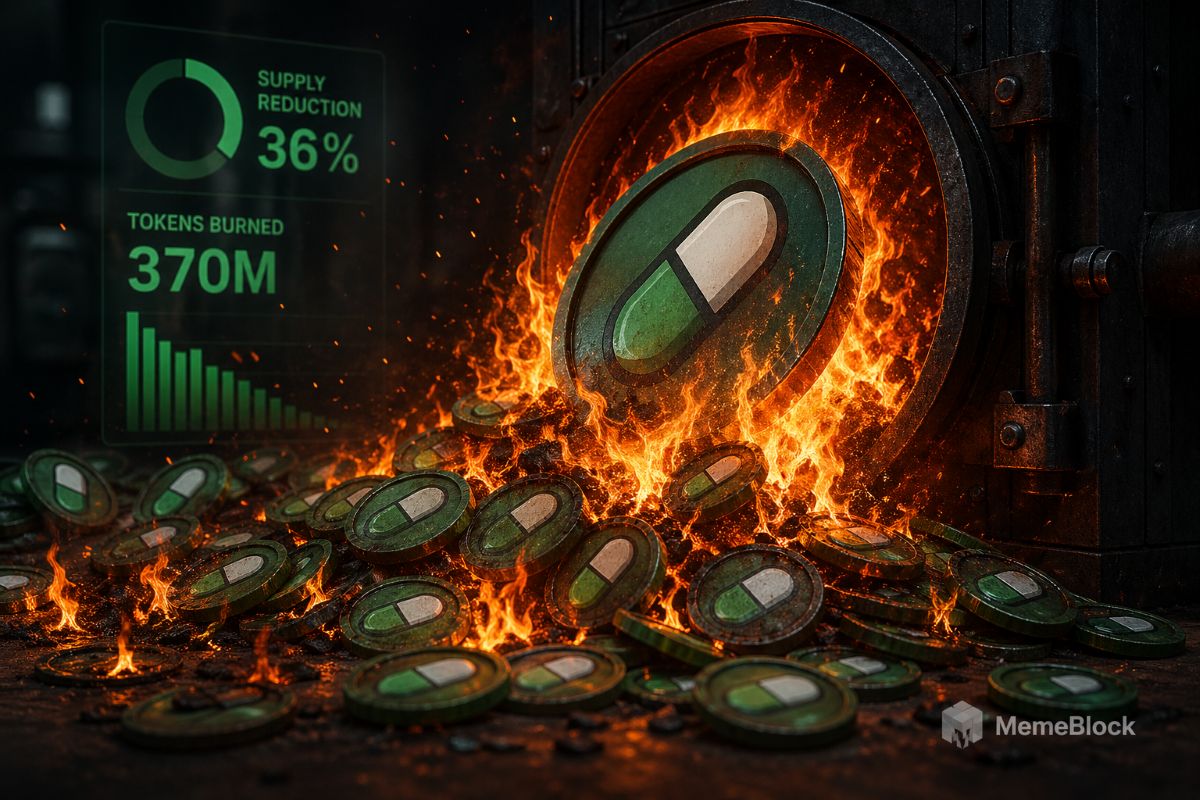
Pump.fun has introduced BOOST Mode, a new default launch mechanism that changes how every newly bonded token migrates to PumpSwap. The feature automatically redirects a portion of liquidity that would previously have remained locked after migration. Instead, it moves it into timed token purchases, and the acquired tokens are permanently burned.
The feature became active for all eligible token migrations beginning July 21, 2026, according to Pump.fun’s official announcement. Tokens that migrated before the activation time and projects launched through the platform’s Mayhem mode are excluded from the rollout.
How BOOST Mode Changes Token Migration
Pump.fun’s launch model uses a bonding curve to facilitate trading before a token graduates to a decentralized exchange. Once a token completes its bonding curve, liquidity is transferred to PumpSwap, where trading continues.
According to Pump.fun, part of that migration liquidity historically became permanently locked after liquidity provider tokens were burned. The platform estimates that more than $100 million worth of liquidity becomes inaccessible every year under the previous design. It refers to this lost value as “dead liquidity.”
BOOST Mode is designed to recycle part of that capital instead of leaving it idle.
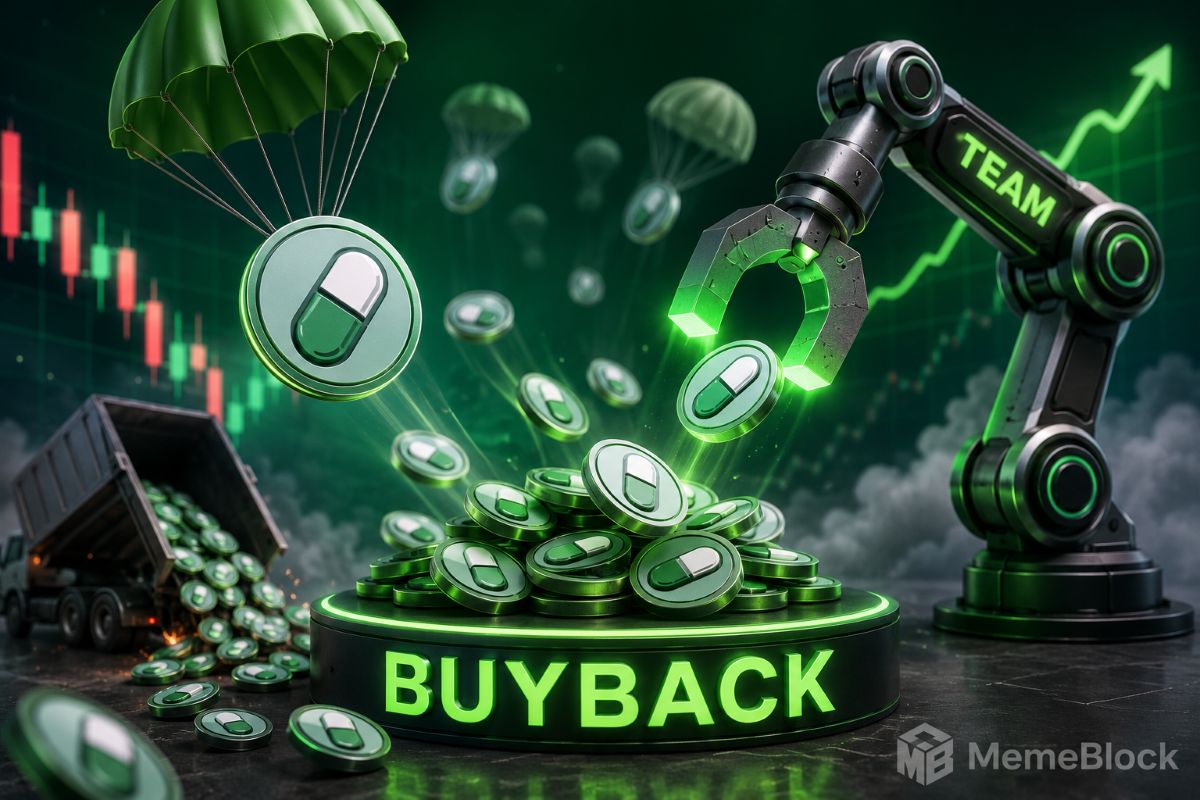
For eligible migrations, the protocol automatically allocates approximately 17.6 SOL for SOL trading pairs. Alternatively, it allocates around $2,516 for USDC trading pairs. The funds are deployed gradually over a five-minute period using a time-weighted average price (TWAP) strategy. Then, the purchased tokens are permanently burned.
The feature activates automatically, requiring no action from token creators or traders.
Pump.fun Says BOOST Improves Capital Efficiency
Pump.fun argues that the previous migration process permanently removed usable liquidity from the ecosystem. This happened because burned liquidity provider positions could never be recovered.
By redirecting that capital into automatic market purchases and burns, the platform says BOOST Mode should improve liquidity efficiency. Moreover, it should reduce circulating token supply immediately after migration.
The company also estimates that previous migrations effectively sacrificed around 20% of available liquidity, a figure BOOST is intended to recover. Those projections, however, have not yet been independently verified through on-chain analytics or third-party research.
Why the Update Matters
The change represents one of Pump.fun’s largest protocol-level modifications since launching PumpSwap.
Rather than altering token creation itself, BOOST changes what happens after successful projects complete their bonding curve. Every newly bonded token now receives automatic post-migration buying pressure funded by recycled liquidity rather than external incentives.
The launch also reflects Pump.fun’s continued effort to improve the economics of its rapidly growing memecoin ecosystem. In this ecosystem, only a small percentage of newly created tokens successfully graduate from the bonding curve to secondary-market trading.
Academic research published earlier this month estimated Pump.fun’s graduation rate at roughly 0.2% across hundreds of thousands of token launches. This highlights how relatively few projects reach migration.
Independent Verification Remains Limited
While BOOST Mode itself has been confirmed through Pump.fun’s official announcement and multiple industry publications, many of the economic benefits remain company projections.
Independent blockchain analytics firms have not yet published data confirming:
- the estimated $100 million in annual dead liquidity,
- the expected improvement in post-migration liquidity,
- long-term effects on token price stability, or
- measurable changes in graduation performance.
As a result, claims regarding ecosystem-wide improvements should currently be viewed as Pump.fun’s stated expectations rather than independently verified outcomes.
What Comes Next
The effectiveness of BOOST Mode will become clearer as more newly graduated tokens migrate under the updated system.
Market participants are likely to monitor whether automated buybacks reduce post-migration selling pressure. Furthermore, they may watch for improved liquidity retention and healthier trading conditions for new Solana memecoins.
On-chain data collected over the coming weeks should provide the first independent evidence. It will show whether the mechanism delivers the capital-efficiency gains Pump.fun expects.