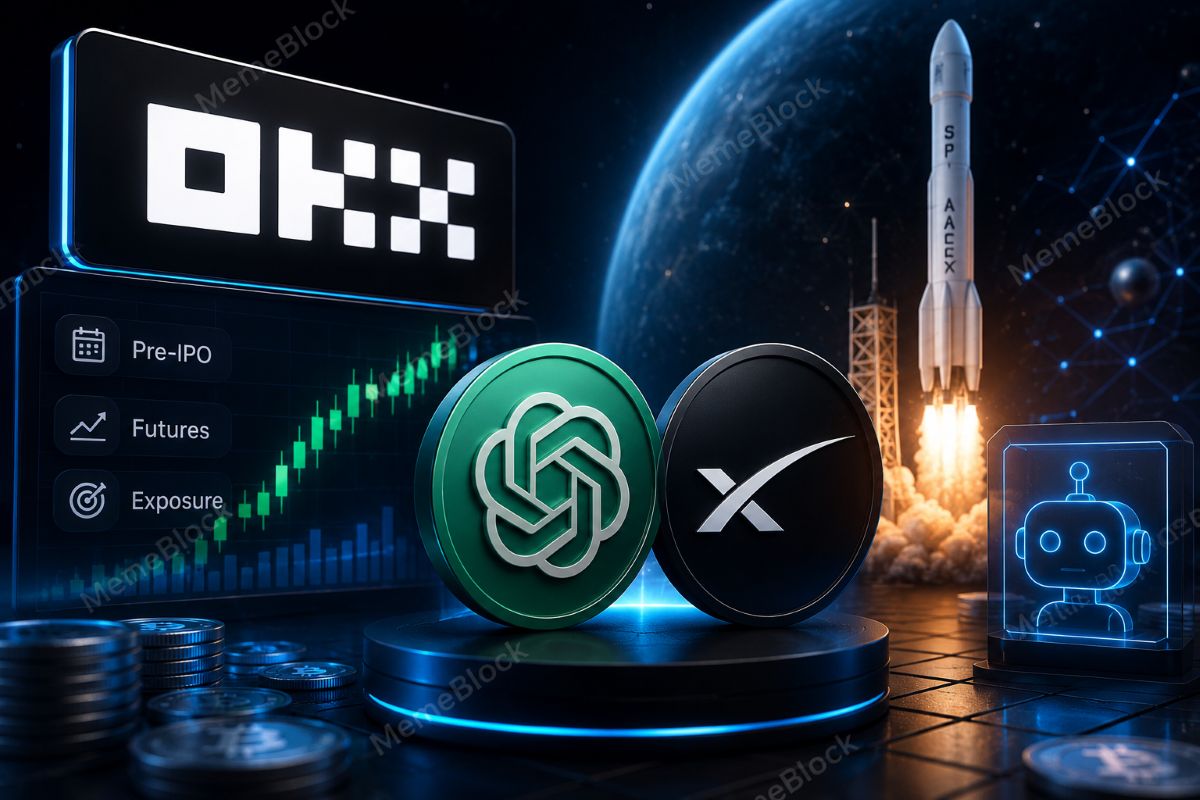
In a major regulatory and strategic milestone for the crypto sector, global exchange OKX has officially snagged a full-fledged European Payments Institution (PI) license in Malta, clearing a key hurdle to scale stablecoin payments, OKX Pay, and the newly launched OKX Card across the European Union and European Economic Area (EEA). This move positions OKX at the forefront of compliant crypto payment innovation as Europe’s stringent Markets in Crypto-Assets Regulation (MiCA) and updated Payment Services Directive (PSD2) rules take effect in March 2026.
The fresh license, granted by the Malta Financial Services Authority (MFSA) in February 2026, aligns OKX with evolving EU requirements that treat stablecoins as “electronic money tokens” under MiCA and oblige crypto service providers to hold a payment license, either a PI or Electronic Money Institution (EMI) authorization to legally offer payment services using stablecoins.
According to official disclosures, this authorization expands OKX’s ability to offer fully compliant stablecoin payment services across the EU’s 28 EEA countries from its Malta hub, giving the San Jose-based exchange a regulatory passport for mainstream crypto payments throughout the bloc.
Strategic Timing: Why The PI License Matters
OKX already holds a MiCA crypto-asset service provider license obtained in January 2025 and has been preparing for MiCA’s full implementation for months. But the new PI license remedies a critical compliance gap. Under PSD2 and MiCA, firms that facilitate stablecoin payments and transfers must be regulated under financial payments frameworks or risk operational restrictions once the rules go live in early 2026.
This license ensures that OKX’s payment products, including OKX Pay and OKX Card, can continue operating smoothly and expand their footprint ahead of tighter regulatory deadlines. CEO of OKX Europe, Erald Ghoos, emphasized that the PI license puts these products “on a fully compliant footing,” bridging the gap between decentralized finance products and traditional financial systems.
The OKX Card And Stablecoin Payments Go Mainstream
The Malta PI license will be a cornerstone for OKX’s broader push into everyday crypto payments. Launched in late January with Mastercard support, the OKX Card lets users spend stablecoins such as USDC and Paxos-issued USDG directly at merchants that accept Mastercard, converting crypto to euros at checkout in real time.
Market observers note that the OKX Card removes traditional hurdles tied to crypto payments, such as manually converting assets or pre-funding balances, while offering transparent fee structures and promotional cashback rewards during the initial launch period.
This capability dovetails with rising consumer demand for real-world crypto utility and tokenized payment rails. In recent months, stablecoin payments have gained traction as European users and merchant networks look for faster, lower-friction alternatives to traditional payment rails.
Europe’s Evolving Regulatory Clarity
Europe’s regulatory landscape is now widely seen as offering clarity and structured guardrails for digital asset payments compared to other regions. While some jurisdictions tighten crypto rules or impose restrictions on algorithmic stablecoins, the EU’s framework clearly classifies stablecoins and mandates regulated pathways for their use in payments.
OKX’s PI license represents a landmark example of how major crypto platforms are adapting to this regulated future by building compliance-first payment products that integrate with existing financial infrastructure. It also signals confidence in the potential for tokenized value to complement (and in some cases enhance) traditional payment services.
What This Means For Traders And Consumers
For crypto traders and everyday users, the regulatory upgrade means enhanced confidence in using stablecoins not just for trading but for real-world spending and cross-border crypto transactions within the EU. It also primes OKX to compete more directly with traditional card issuers and fintech players on the payments front, especially as stablecoins continue to rise as a payment option.
With a layered regulatory stack, MiCA, MiFID II derivatives licenses, and now the PI license, OKX is positioning itself as a fully compliant, regulated exchange and payments hub that marries crypto innovation with established financial norms.