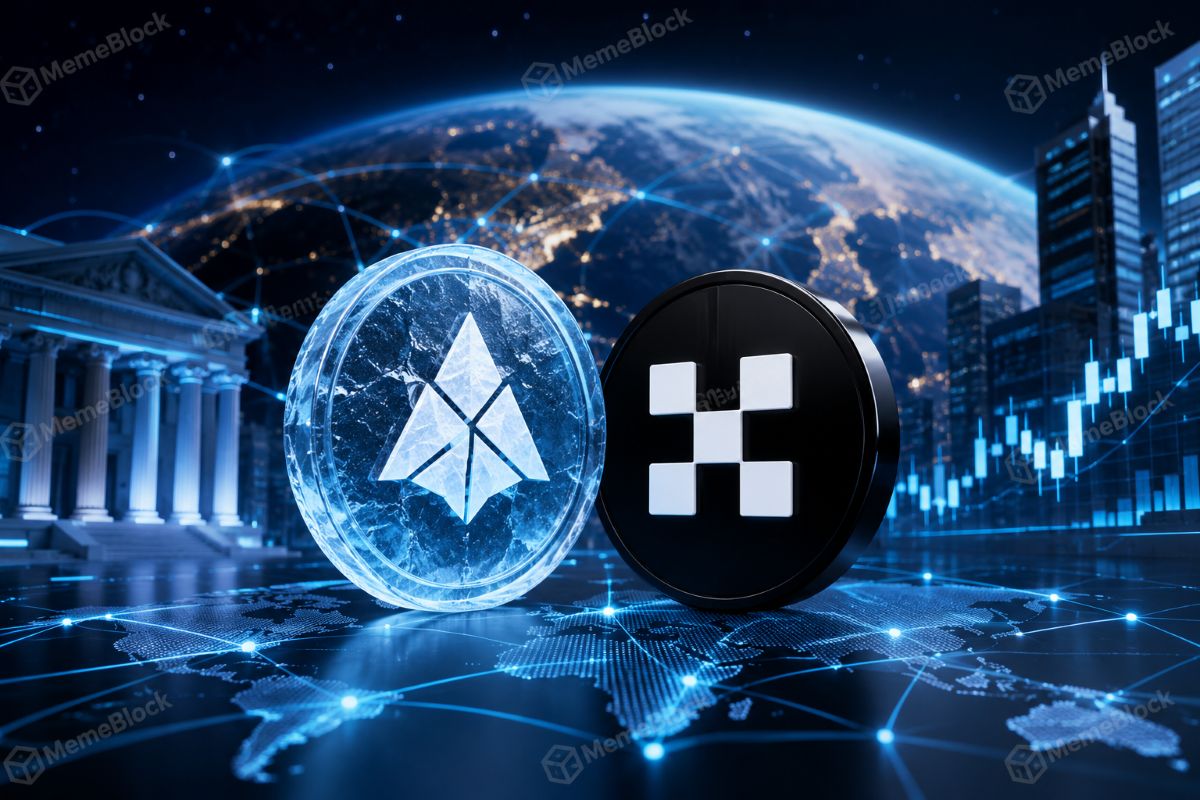
Major exchanges Coinbase and OKX have rolled out new features that allow users to trade directly on the Base Layer-2 chain (and other networks) without many of the frictions previously associated with on-chain token swaps. This move could significantly broaden access to crypto markets and accelerate capital flows into emerging assets.
What’s happening
- Coinbase announced that it’s enabling decentralized exchange (DEX) style trading within its app interface. Users can now trade millions of on-chain assets (especially Base-native tokens) directly through the Coinbase app, with self-custody wallet support and network fees covered by Coinbase.
- OKX launched built-in DEX trading access on its mobile app, connecting users to Base, Solana, and its X-Layer network (among others). The integration enables trading of on-chain tokens from a unified interface that bridges centralized order-book access and decentralized liquidity.
- The combined effect: a frictionless on-ramp into Base-chain assets, bypassing many of the typical steps, bridge transfers, separate wallets, and manual token listings that previously slowed access.
Why it matters
- Massively expanded access: By embedding DEX access into familiar exchange apps, both Coinbase and OKX lower the barrier for non-technical users to trade tokens on Base and comparable networks. For example, Coinbase calls out that “millions of assets” may now be tradable.
- Reduced fees and complexity: Coinbase’s model includes sponsoring network fees for trades, and OKX’s integration handles wallet creation in-app for seamless swaps. This design reduces many of the traditional costs and UX hurdles of on-chain trading.
- Potential for token liquidity and momentum: Tokens native to Base (and other supported chains) stand to benefit from improved exposure and easier access. More traders able to access them may boost liquidity and price discovery.
- Bridge between CeFi and DeFi: These moves further blur the line between centralized exchanges (CEX) and decentralized protocols (DEX). Users remain within the regulated/exchange environment while tapping decentralized assets and liquidity.
- Competitive pressure in crypto infrastructure: With major platforms enabling direct on-chain access, the expectation is rising for other exchanges to follow. This could accelerate the development of Layer-2 adoption and token-economy growth.
Considerations and Risks
- Liquidity & slippage: While access improves, some on-chain assets (especially newly launched or thinly traded tokens) may still experience low liquidity and higher slippage. OKX specifically warns about buy-side depth in early-stage tokens.
- Security & custody: Although the wallet is self-custody in these cases, users moving into non-custodial setups must understand the risks: private key management, contract vulnerabilities, etc.
- Regulatory & listing risk: New tokens may appear quickly via DEX routes, but they may lack full centralized exchange vetting. Coinbase notes that DEX assets may not have been reviewed by Coinbase itself.
- Geographic limitations: Some jurisdictions remain excluded. For example, Coinbase’s DEX feature rollout currently excludes New York State.
- User experience shift: Even though the interface is simplified, internalizing on-chain mechanics (wallet creation, key backup) still involves a learning curve for many users.
Final takeaway
The recent moves by Coinbase and OKX mark a meaningful step toward mainstream crypto adoption by simplifying on-chain access. By letting users trade Base-chain tokens (and eventually other networks) from major exchange apps with eased friction, reduced fees, and a unified interface, they are opening the door for millions more to participate. That said, the full impact will depend on how users adopt the tools, how token ecosystems respond (liquidity, listings), and how regulatory dynamics evolve.
FAQs
Q1: What does “direct Base chain trading” mean in this context?
A1: It refers to the ability for users to trade tokens native to the Base network (a Layer-2 chain) directly through exchange apps such as Coinbase or OKX, without having to leave the app, manually bridge into Base, or use separate wallets.
Q2: Which networks are supported by these launches?
A2: Coinbase’s launch focuses on the Base network initially, with plans for other networks later.
OKX supports Base, Solana, and its internal X-Layer network through its new in-app DEX feature.
Q3: How are network fees handled?
A3: For Coinbase, network (gas) fees for DEX trades on Base are being sponsored by Coinbase, meaning the user does not pay those fees in many cases.
For OKX, the details are less explicitly stated, but the wallet integration aims to simplify fee management.
Q4: Is custody still maintained by the exchange?
A4: No, these features move toward self-custody. For example, in the Coinbase model, trades execute via a self-custody wallet that’s integrated in the app; the user holds the keys for DEX trades. Coinbase states the assets are held in the user’s self-custody wallet accessible via their app.
Q5: Are new tokens added faster now?
A5: Yes. Because the mechanism uses on-chain liquidity and DEX aggregators, tokens can become tradable much sooner than in the traditional centralized listing process. Coinbase mentions that users will soon access “millions of assets” rather than hundreds.
Q6: What should users be cautious of?
- Even though access is easier, the user is responsible for managing a self-custody wallet and safeguarding keys.
- Not all tokens will be vetted, so the risk of scams or low-liquidity tokens is higher.
- On-chain trades may have slippage or variable liquidity, especially with lesser-known tokens.
- Regulatory changes or geographic limitations may affect availability or features.