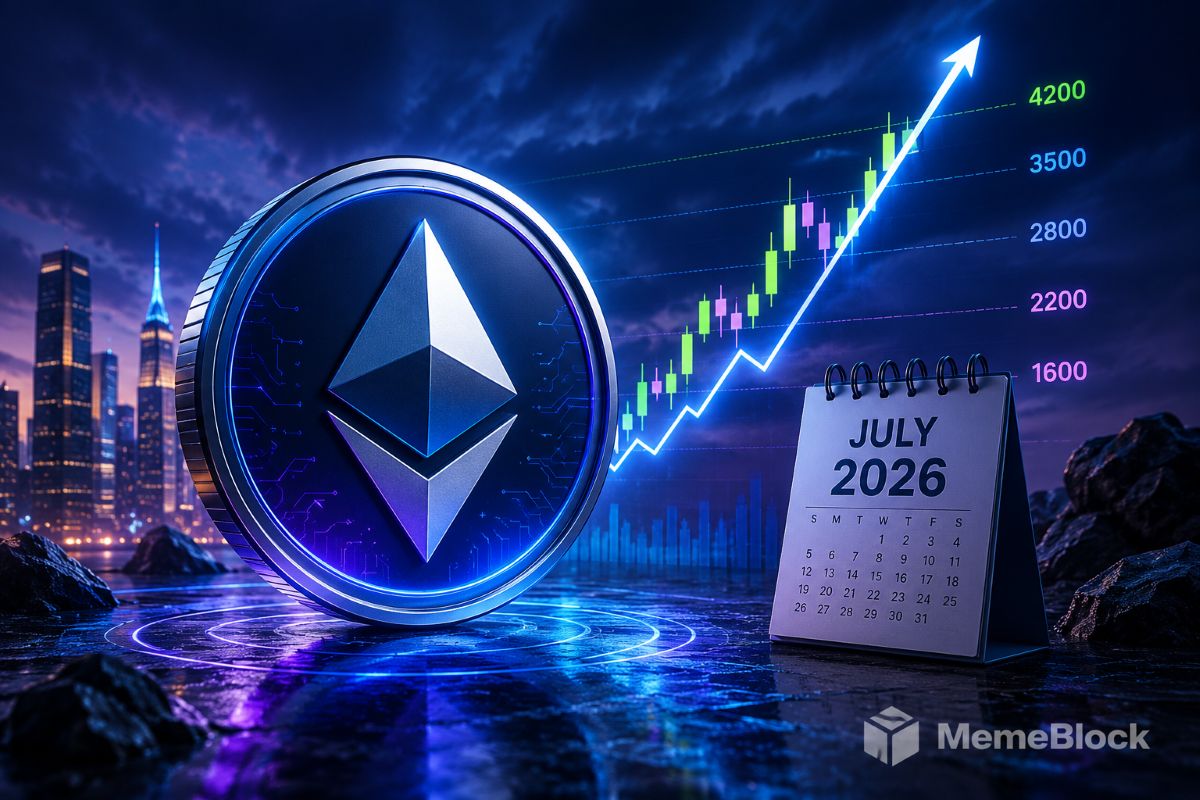
Ethereum (ETH), the backbone of smart contracts, DeFi, tokenized assets, and NFTs, continues to dominate as the leading smart contract blockchain. Following major network upgrades, rising staking adoption, and global institutional interest, investors are asking one key question: where is Ethereum headed next? As of early 2025, ETH trades near the $3,300 range, setting the stage for the next big move.
Why Ethereum’s Future Looks Strong
Pectra Upgrade Delivered
Ethereum’s Pectra upgrade, following the successful Dencun rollout, aims to make the network faster, more cost-efficient, and easier to use. With enhanced smart contract functionality and scalability improvements, Ethereum is strengthening its foundation for mass adoption.
Layer-2 Expansion & Cheaper Fees
Thanks to earlier upgrades like EIP-4844, Layer-2 solutions such as Arbitrum, Optimism, Base, and zkSync continue to process millions of transactions at extremely low cost. As more dApps and users move to Layer-2, Ethereum becomes the execution layer for the entire decentralized ecosystem, boosting utility and long-term value.
Growing Institutional Demand
The launch of regulated investment products, including Ethereum spot ETFs, has made ETH more accessible to traditional investors. Institutions treating ETH as both a digital commodity and an internet yield asset could fuel higher demand during bullish market phases.
Staking Supply Crunch
Nearly one-third of Ethereum’s circulating supply is staked, significantly reducing the liquid supply. With staking yields and strong demand, ETH benefits from a supply-demand dynamic that supports price strength during market expansions.
Ethereum Price Prediction 2025–2026
Below are three realistic scenarios for ETH based on adoption trends, macro conditions, developer progress, and investor flows.
Bull Case: $5,500–$7,500
If global liquidity remains strong, institutional inflows remain positive, and Layer-2 adoption accelerates, ETH could break previous highs and push toward the $7,500 zone. Improved scalability and mainstream application growth especially in tokenized finance and gaming, would support this move.
Base Case: $3,200–$5,000
A more moderate outlook sees ETH trading between $3,200 and $5,000. This scenario assumes steady staking, normal adoption growth, and a stable macro environment. Ethereum could consolidate and form a strong foundation before the next explosive move.
Bear Case: $2,200–$3,000
A bearish outcome may occur if global markets tighten, regulation restricts crypto flows, or investor appetite slows. ETH could retrace toward the low-$3K or high-$2K region before building strength again. Historically, Ethereum has recovered from all long-term dips strongly.
Final Thoughts
Ethereum’s fundamentals remain extremely strong. With continuous upgrades, expanding Layer-2 infrastructure, institutional adoption, and a shrinking tradable supply due to staking, the long-term bias remains bullish. While crypto markets can be volatile, Ethereum’s role in powering decentralized applications gives it long-term structural value.
For investors, strategies like dollar-cost averaging (DCA), yield strategies through staking, and tracking on-chain data can help navigate the journey. As always, investing should match your risk tolerance and financial goals.
This article is for informational and educational purposes only, not financial advice.
FAQs
Is it a good time to buy Ethereum?
It depends on your risk tolerance and strategy. Many investors prefer dollar-cost averaging to reduce volatility risk.What could drive Ethereum’s price higher?
Increased Layer-2 adoption, institutional flows, developer ecosystem growth, and real-world tokenization use cases.Will Ethereum fees remain low?
Layer-2 networks are designed to keep fees low even as demand grows, making Ethereum more scalable over time.How much ETH is staked?
Roughly one-third of the total supply is staked, reducing circulating supply and supporting price stability.Where can I track ETH price and on-chain data?
You can use crypto price dashboards, on-chain analytics platforms, and financial market sites.