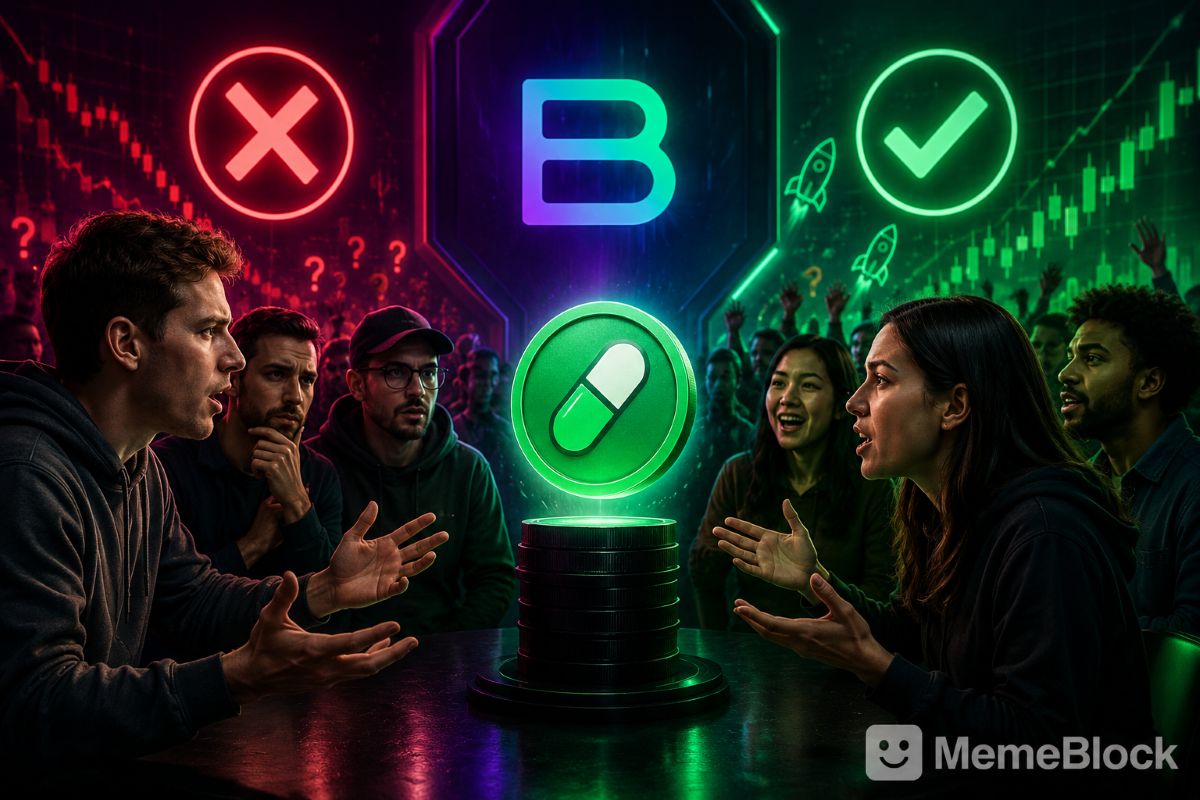
The launch of BOUTYWORK on Pump.fun’s GO platform has ignited a heated debate across the Solana ecosystem, raising questions about incentive-driven participation, token speculation, and the growing role of gamified engagement in decentralized communities. While supporters view the project as an innovative experiment in on-chain rewards, critics argue that its structure encourages excessive speculation and creates controversy around tradable incentives.
BOUTYWORK Becomes Latest Flashpoint in Pump.fun GO Ecosystem
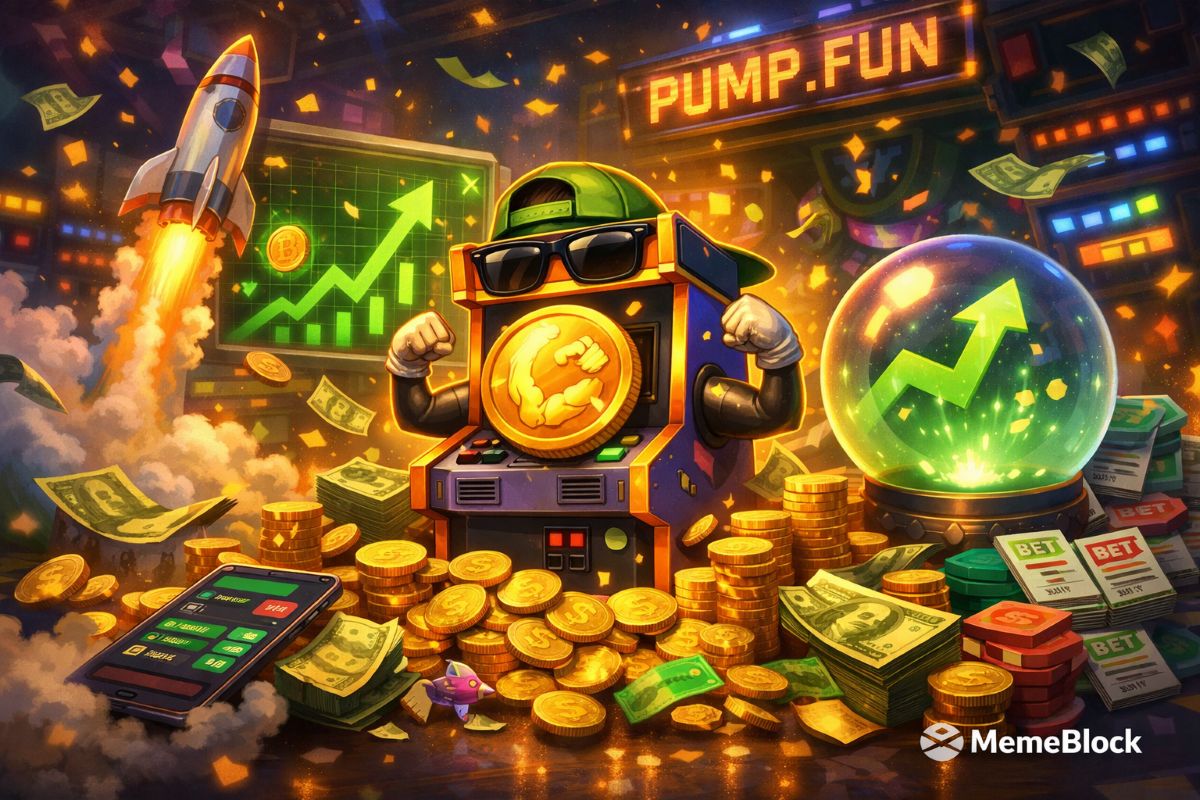
BOUTYWORK emerged as one of the most discussed projects on Pump.fun GO, a platform designed to connect users, creators, and communities through blockchain-based engagement systems. The project quickly attracted attention due to its reward mechanics, which incentivize users to complete tasks, participate in campaigns, and earn tradable assets.
As activity surged, so did criticism. Several community members questioned whether the incentive structure aligned with the long-term goals of decentralized participation or simply encouraged short-term trading behaviour. The controversy intensified as discussions spread across Crypto Twitter, Telegram groups, and Solana-focused forums.
The debate reflects a broader challenge facing Web3 platforms: how to reward participation without creating unsustainable speculative dynamics.
Why Tradable Incentives Are Creating Controversy
At the center of the backlash is the concept of tradable incentives. Unlike traditional loyalty programs, blockchain-based reward systems often allow earned assets to be bought, sold, or transferred on secondary markets.
Supporters argue that this feature provides genuine ownership and economic value to participants. They believe users should have the freedom to monetize their contributions rather than remain locked into closed ecosystems.
Critics, however, contend that tradable rewards can shift user behavior away from meaningful participation. Instead of engaging with projects because of genuine interest, users may focus solely on earning and selling rewards for profit.
This concern has become increasingly common across decentralized finance and social finance platforms, where tokenized incentives frequently attract both genuine community members and opportunistic traders.
Pump.fun GO Faces Growing Scrutiny
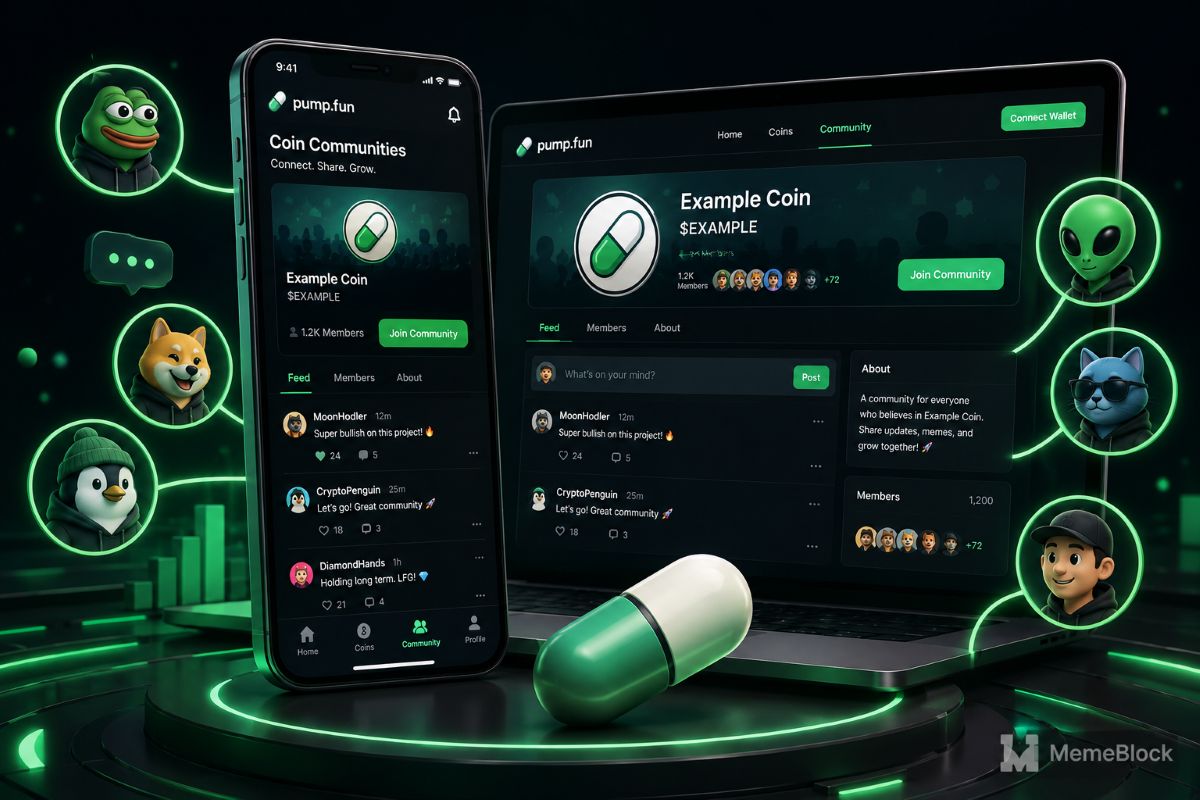
The controversy surrounding BOUTYWORK arrives at a time when Pump.fun continues to expand beyond its original meme coin launchpad model. The introduction of GO represents an effort to broaden user engagement through interactive campaigns, quests, and reward-based participation.
However, as the platform evolves, it faces increased scrutiny from users and industry observers. Questions about sustainability, community alignment, and incentive design are becoming more prominent.
Some analysts believe the debate is healthy for the ecosystem. Public discussions around incentive structures could help projects refine their models and create more balanced systems that reward participation without encouraging excessive speculation.
Others warn that poorly designed reward mechanisms may damage trust and attract users interested only in short-term gains.
Community Reactions Remain Deeply Divided
Reactions to BOUTYWORK have been sharply divided. Supporters describe the project as a creative example of how blockchain technology can incentivize engagement and distribute value directly to participants.
Meanwhile, critics argue that the project highlights the risks associated with tokenized reward systems. They believe the ability to trade earned assets introduces market dynamics that can overshadow community-building objectives.
The disagreement illustrates an ongoing tension within crypto markets. Projects often seek to balance financial incentives with authentic user engagement, but achieving that balance remains difficult in highly speculative environments.
What This Means for the Future of Pump.fun GO
The BOUTYWORK controversy may ultimately serve as an important case study for the future development of Pump.fun GO and similar Web3 platforms. As decentralized applications continue experimenting with incentive-driven participation, developers will likely face growing pressure to design systems that encourage meaningful engagement while minimizing speculative excess.
Whether viewed as innovation or a warning sign, the debate demonstrates that incentive structures remain one of the most influential factors shaping user behavior in crypto ecosystems.
For Pump.fun GO, the coming months could determine whether tradable rewards become a sustainable growth strategy or remain a source of recurring controversy within the broader Solana community.