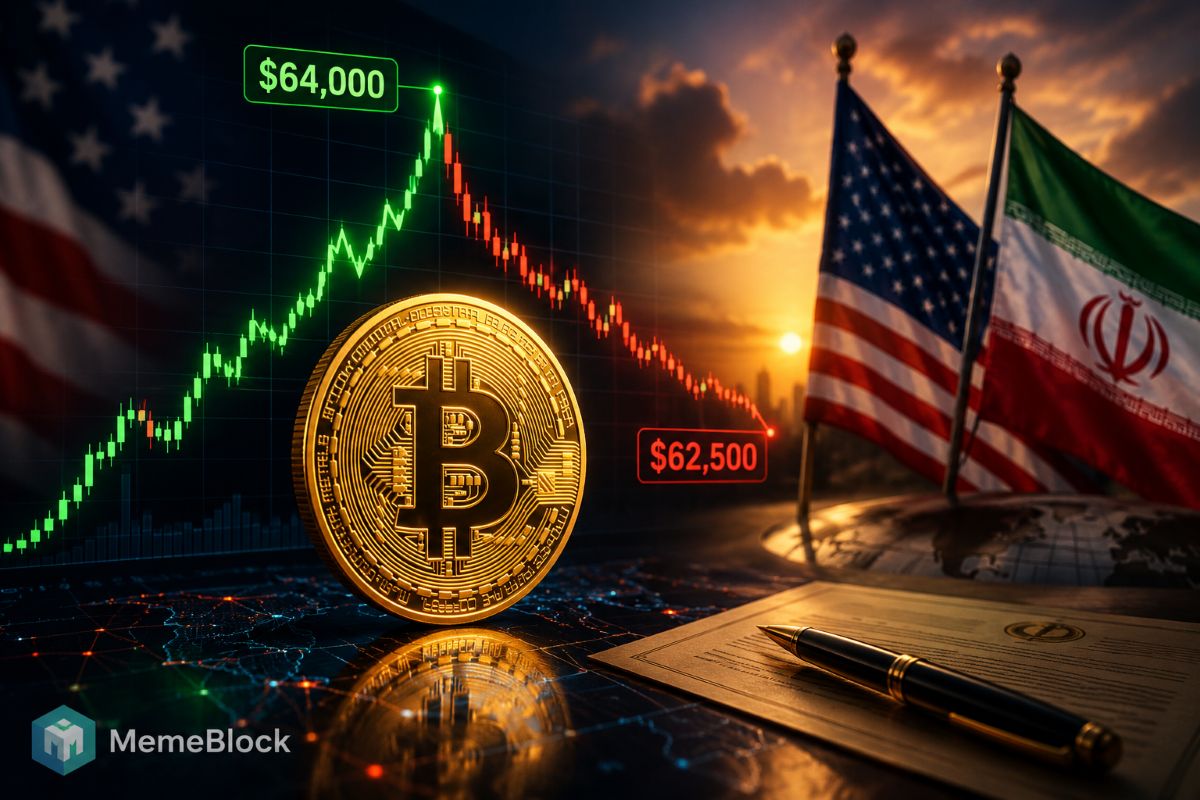
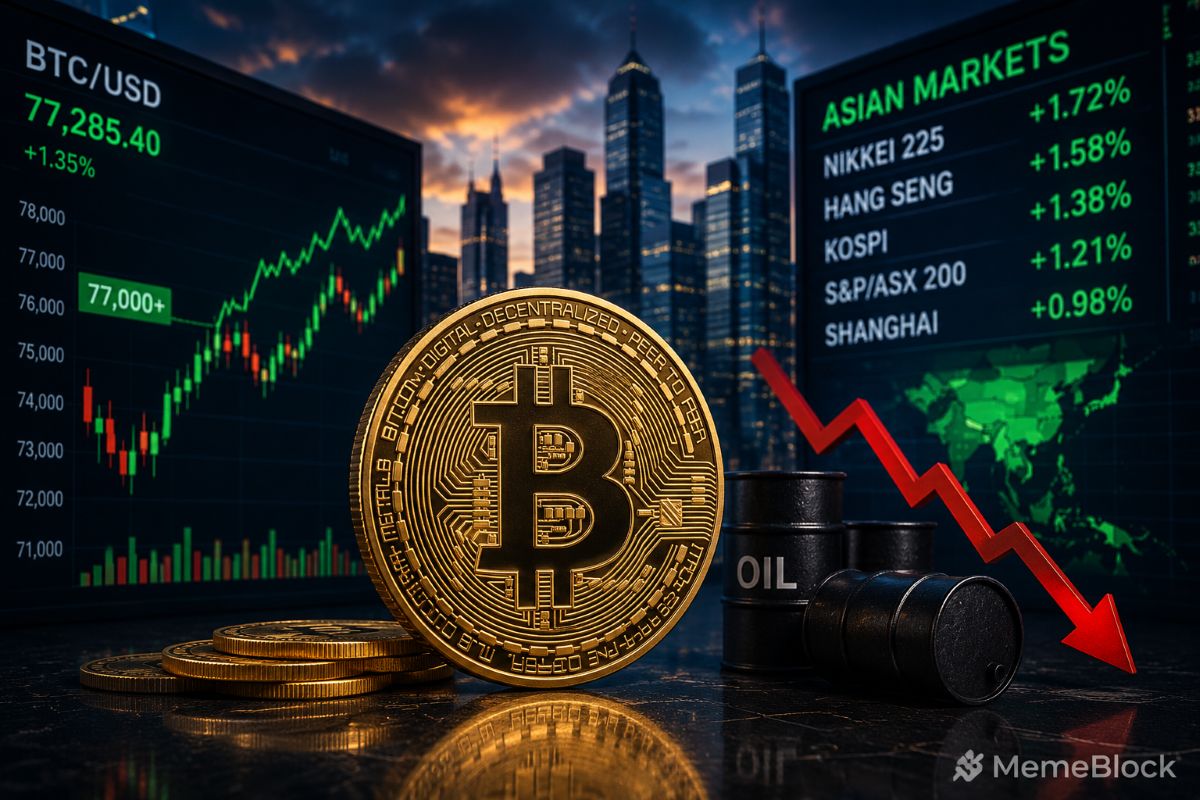
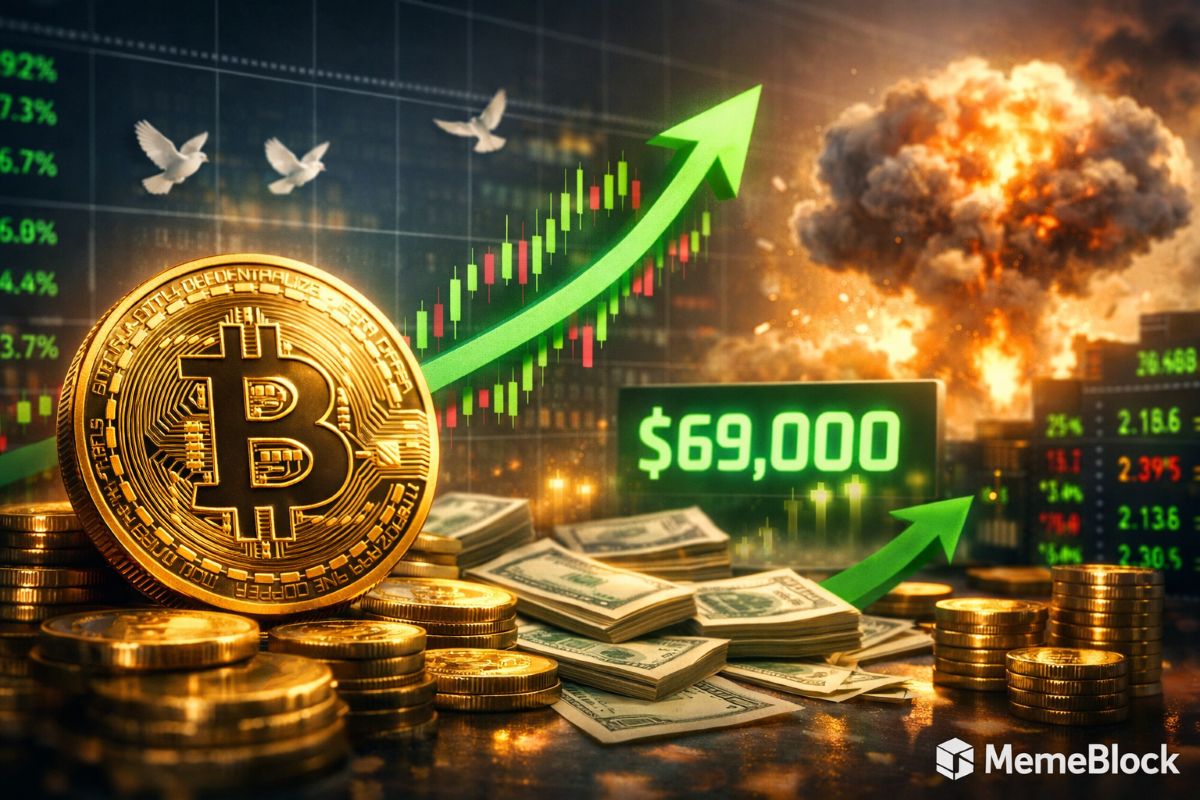
Bitcoin continued to trade near the $64,000 level over the weekend. Investors monitored progress in diplomatic talks between the United States and Iran. While global markets responded positively to signs of easing tensions in the Middle East, the cryptocurrency market has largely remained on the sidelines. Bitcoin has shown only limited upside momentum in this environment. Recent market data placed Bitcoin around $64,000–$64,200, recovering from last week’s brief dip below $63,000. However, it is still lacking the strength seen in traditional risk assets.
The muted reaction has surprised some traders. This is because geopolitical de-escalation typically supports risk assets. Equity markets, commodities, and several global indices have benefited from improving sentiment. Yet Bitcoin has struggled to break higher despite the favourable backdrop.
US-Iran Negotiations Improve Market Confidence
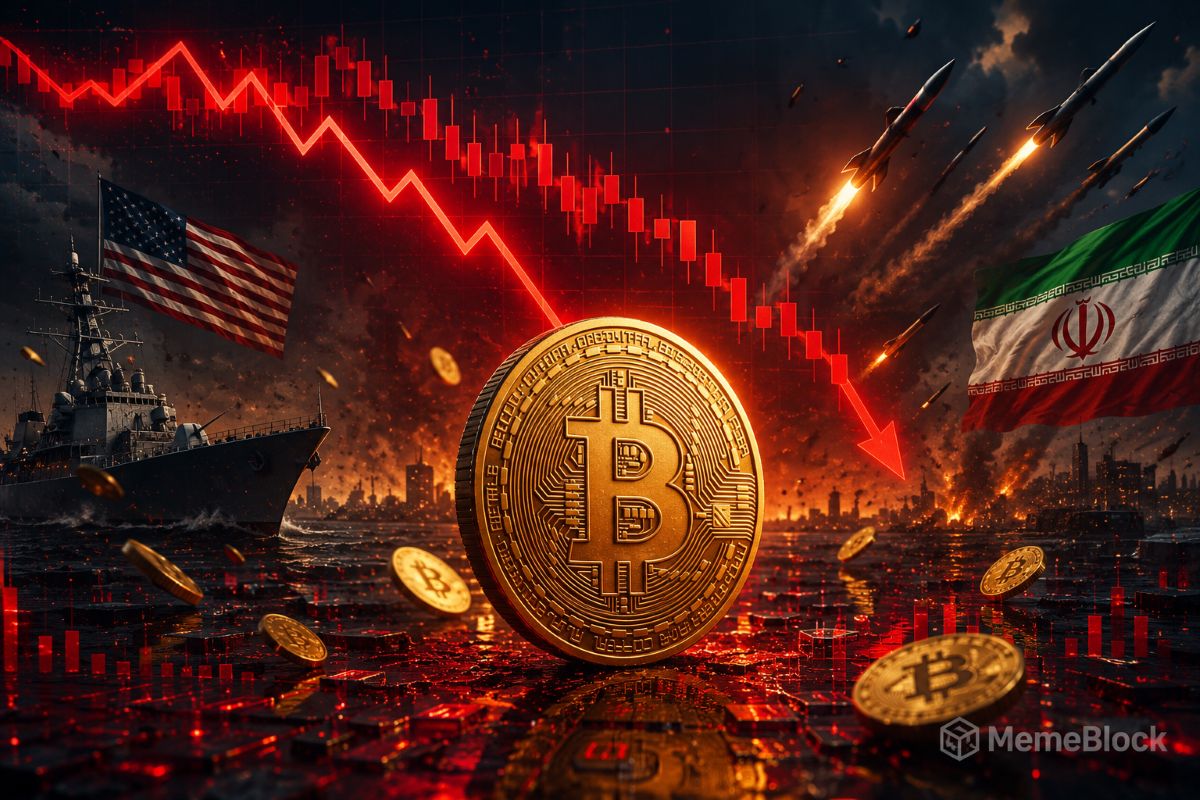
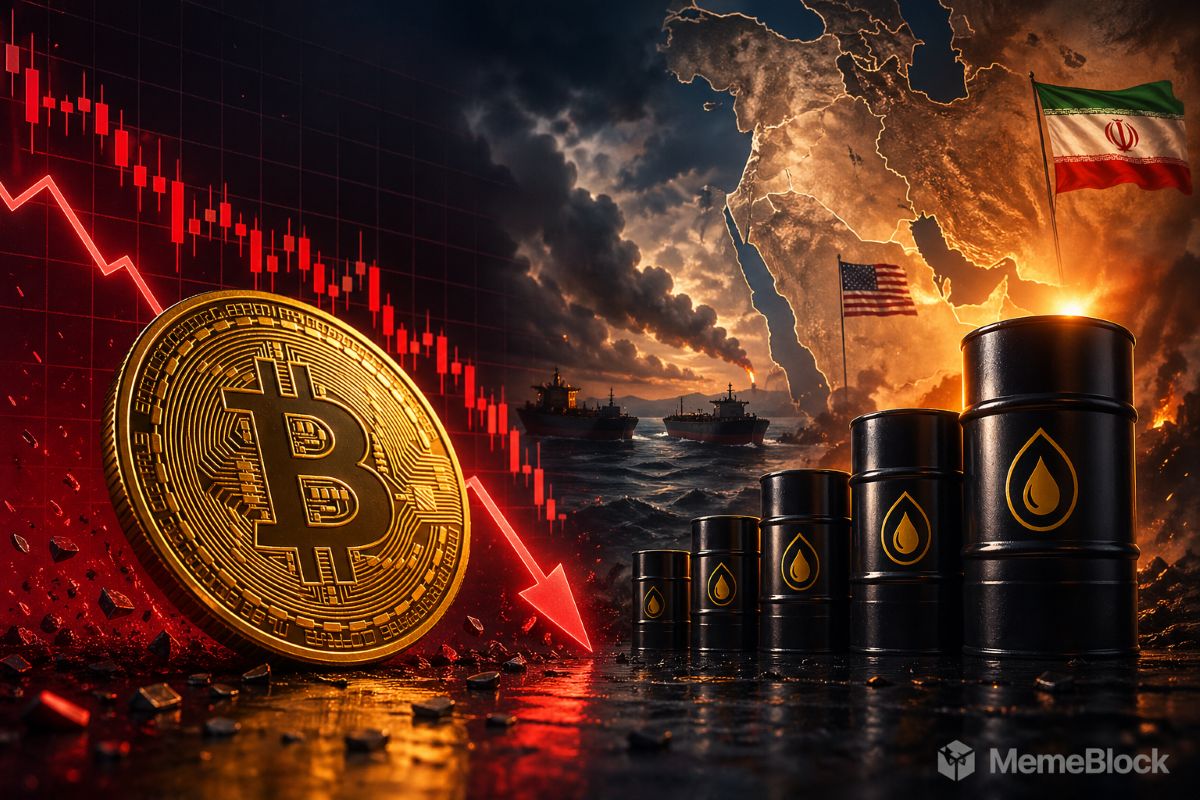
Recent diplomatic discussions between Washington and Tehran have fueled optimism that tensions in the region may continue to ease. Additionally, reports indicate that both sides have made progress toward broader agreements. This has reduced fears of disruptions in energy markets and global trade routes.
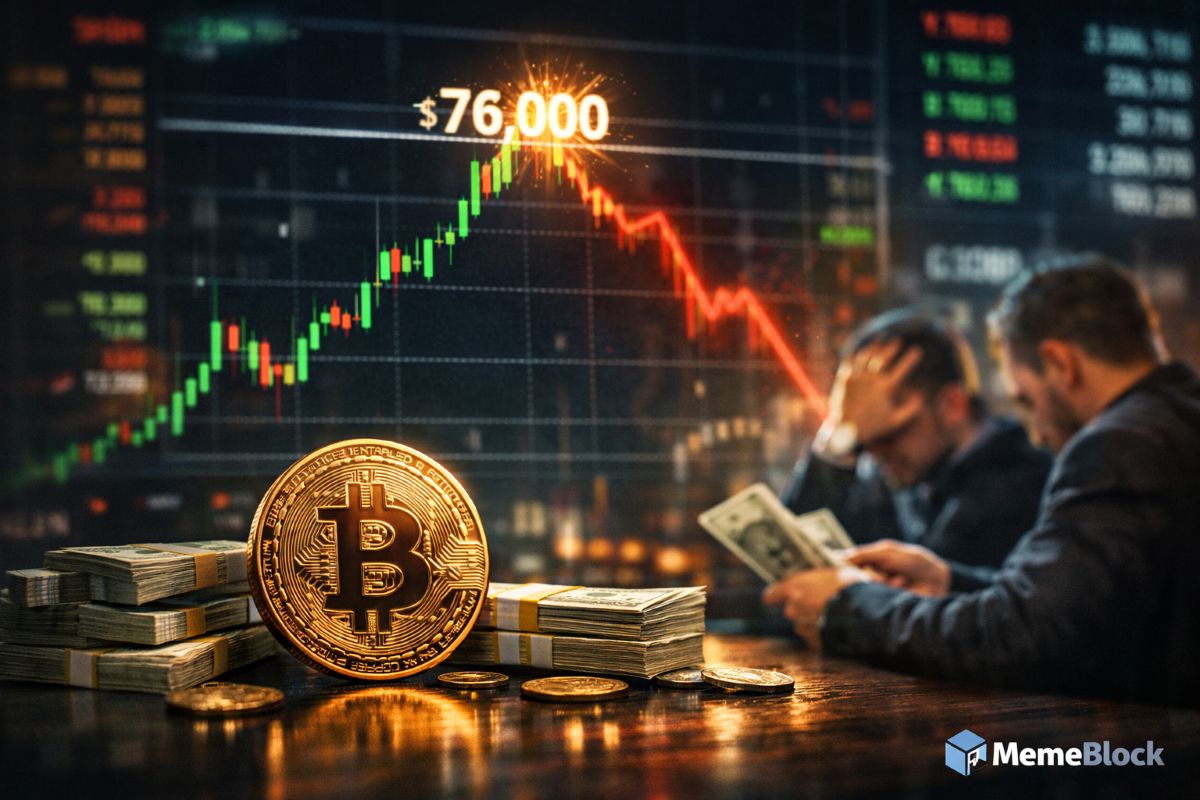
Earlier this month, Bitcoin briefly surged above $65,000 and even approached $67,000 after announcements related to a temporary US-Iran agreement and the reopening of key shipping routes. However, those gains proved difficult to sustain. Traders shifted their attention back to macroeconomic concerns and monetary policy expectations.
The renewed threat of disruptions around the Strait of Hormuz has also prevented investors from becoming overly optimistic. While negotiations continue, uncertainty remains elevated, leading many traders to avoid aggressive positioning in cryptocurrencies.
Why Crypto Is Sitting Out the Rally
Unlike stocks, Bitcoin has not fully participated in the recent risk-on move. Analysts point to several reasons behind the hesitation.
First, many investors remain cautious after multiple geopolitical relief rallies earlier this year quickly reversed. Market participants are waiting for stronger confirmation that diplomatic progress will translate into lasting stability.
Second, institutional traders are closely watching broader macroeconomic conditions. Expectations surrounding interest rates, inflation trends, and Federal Reserve policy continue to influence digital asset flows. Many funds appear unwilling to increase crypto exposure until greater clarity emerges.
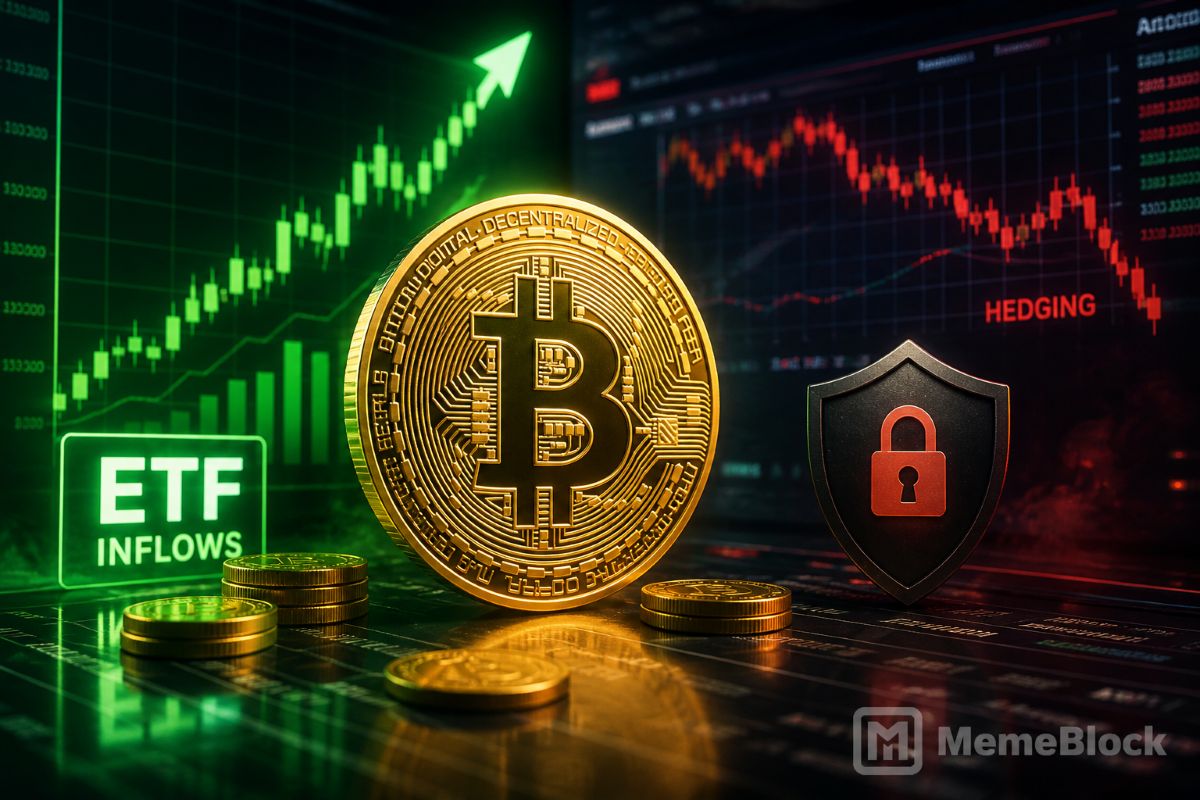
Third, Bitcoin exchange-traded fund inflows have slowed recently, reducing one of the key catalysts that supported the asset throughout previous rallies. Despite this, long-term holders continue accumulating Bitcoin. This suggests confidence remains intact among experienced investors.
Long-Term Holders Continue Accumulation
While short-term traders remain cautious, on-chain and market indicators show that long-term Bitcoin holders are continuing to add to their positions. This trend has helped stabilize prices near the $64,000 level. This is notable despite periods of volatility and geopolitical uncertainty.
Institutional interest also remains present, although not at the pace seen during previous buying waves. Analysts note that whale accumulation and strategic purchases by larger investors continue providing support during market pullbacks.
The ability of Bitcoin to hold above key support zones despite reduced ETF inflows is being viewed by some market observers as a sign of underlying market strength. They see this as a strength rather than weakness.
What Comes Next for Bitcoin?
For now, Bitcoin appears trapped in a consolidation range around $64,000 as investors weigh geopolitical developments against macroeconomic uncertainty. A successful breakthrough in US-Iran negotiations could improve overall market sentiment. However, crypto traders are likely to require additional catalysts before committing to a sustained rally.
Market participants will continue watching institutional flows, Federal Reserve signals, and developments in the Middle East. Until those factors provide clearer direction, Bitcoin may remain stable near current levels. Meanwhile, traditional financial markets capture most of the optimism generated by the latest diplomatic progress.