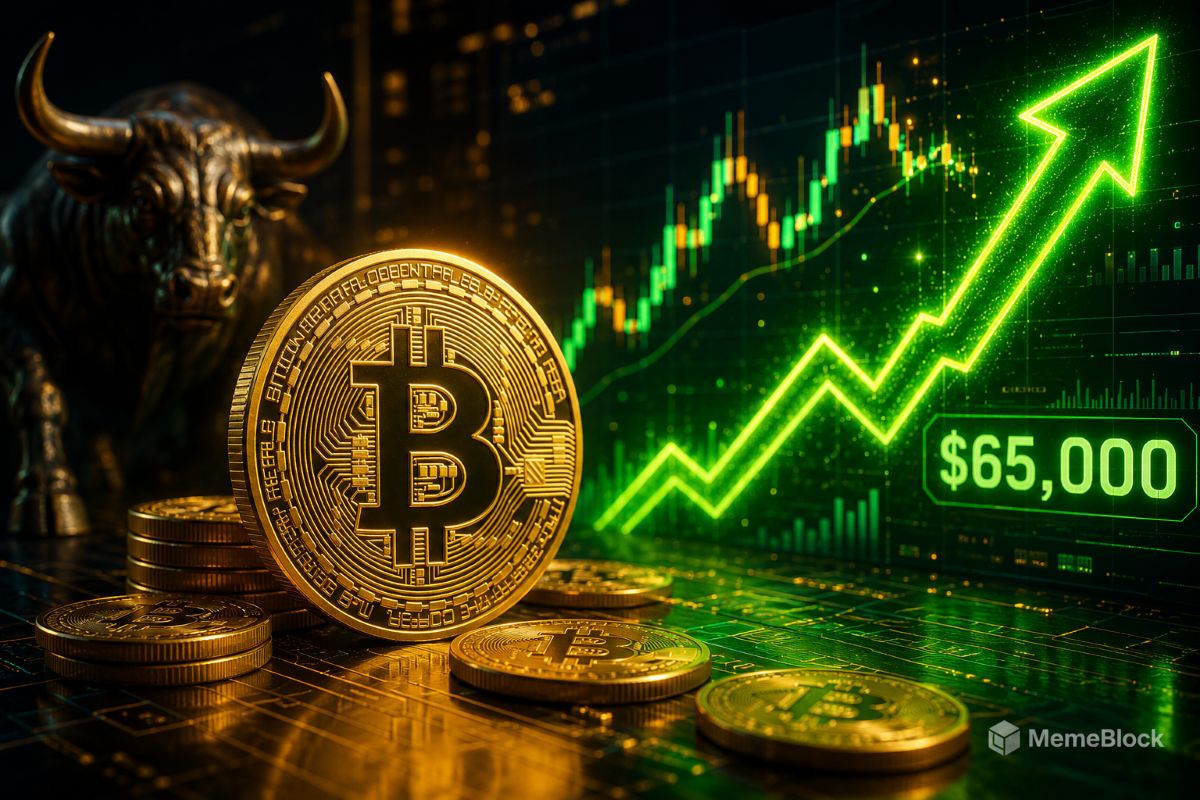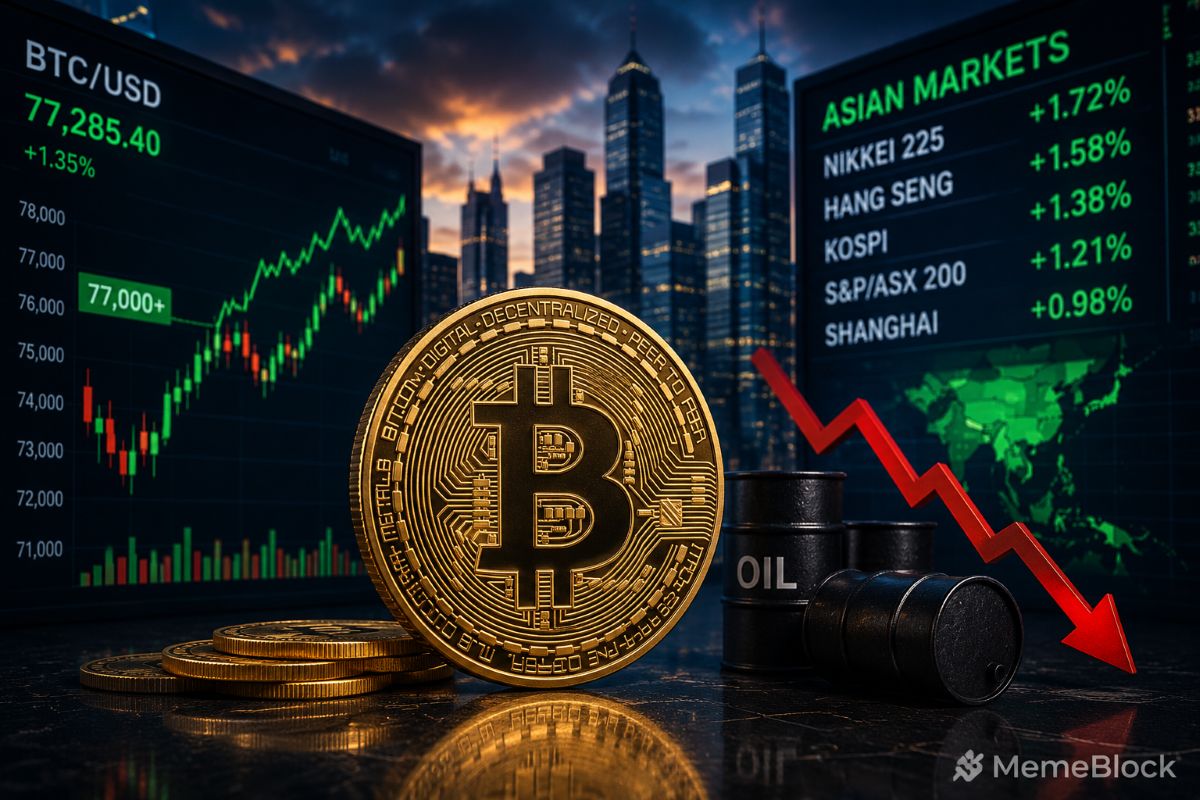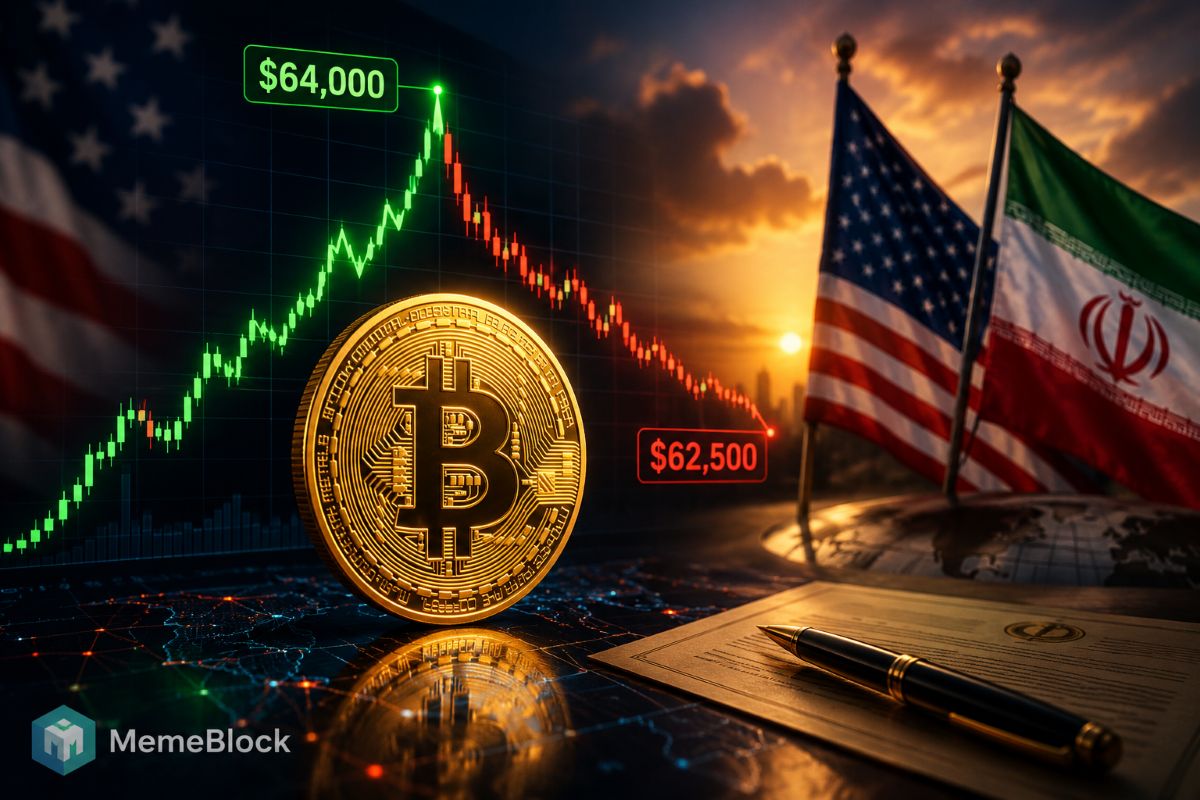
Bitcoin rallied sharply over the weekend, briefly touching the $64,000 mark before stabilizing near $62,500 as investors reacted to easing geopolitical concerns in the Middle East. The world’s largest cryptocurrency gained nearly 5% during the move, with traders pointing to comments from U.S. President Donald Trump regarding ongoing negotiations involving Iran and Israeli Prime Minister Benjamin Netanyahu as a key catalyst behind the latest market momentum.
The price action highlighted Bitcoin’s growing role as a macro-sensitive asset, with traders increasingly responding to developments in global politics, monetary policy expectations, and risk sentiment across traditional financial markets.
Bitcoin Rebounds as Risk Appetite Returns
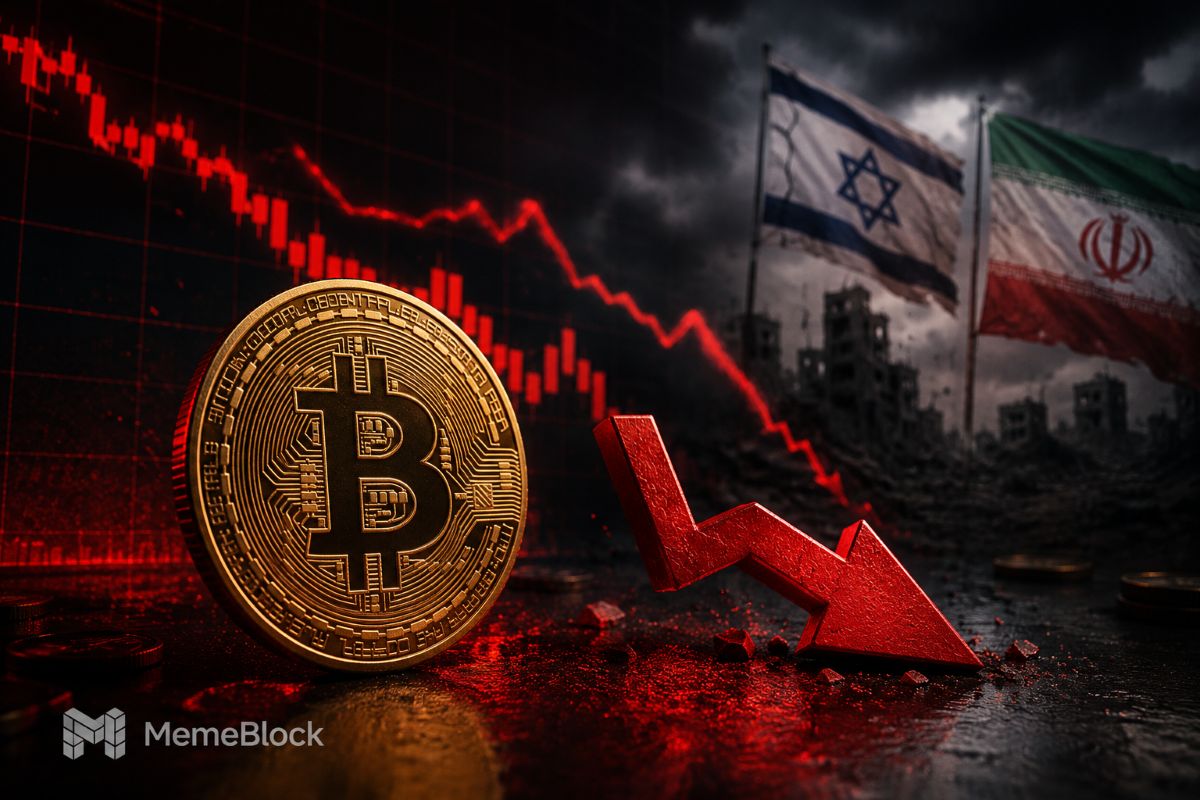
Bitcoin surged to an intraday high of approximately $64,000 before pulling back slightly and consolidating around $62,500. The move came after several sessions of volatility driven by escalating tensions between Israel and Iran.
Market participants viewed Trump’s remarks as a sign that diplomatic efforts could reduce the likelihood of a broader regional conflict. The U.S. president stated that Netanyahu would ultimately have to accept a U.S.-backed agreement with Iran and urged restraint amid renewed military exchanges between the two nations. Reports indicate Trump has been pushing for diplomacy while attempting to prevent further escalation in the region.
As fears of a prolonged conflict eased, investors returned to risk assets, helping both cryptocurrency and equity markets recover from recent uncertainty.
Middle East Developments Fuel Market Volatility
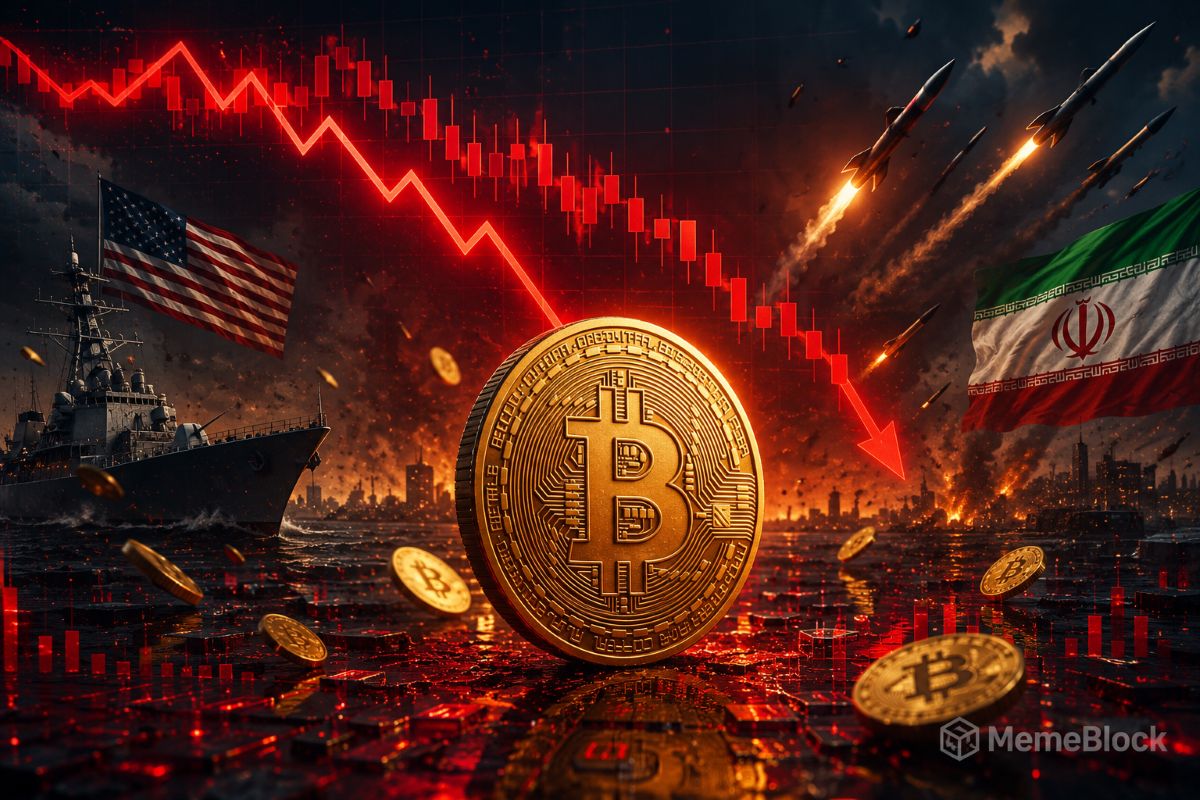
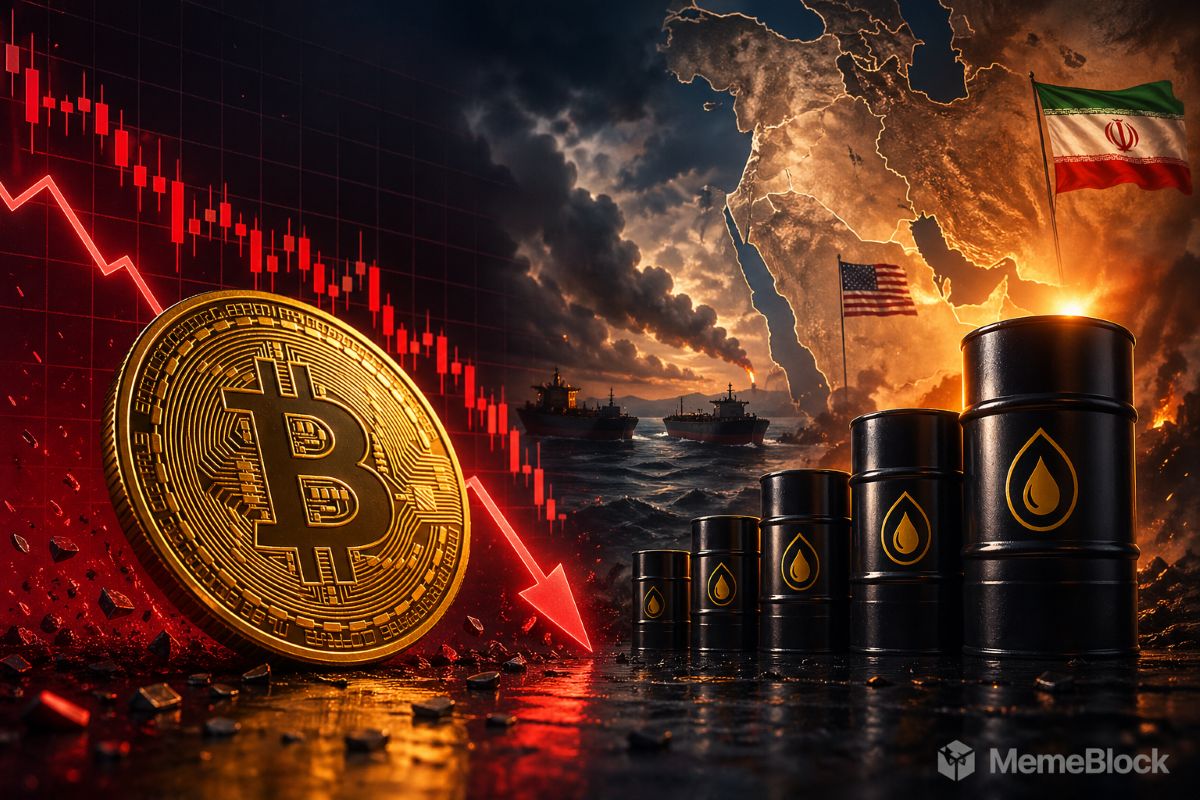
Geopolitical tensions have played a major role in market sentiment throughout 2026. Fresh military exchanges between Israel and Iran triggered concerns about energy supplies, global trade routes, and broader economic stability. Oil prices also reacted strongly as traders monitored developments across the region.
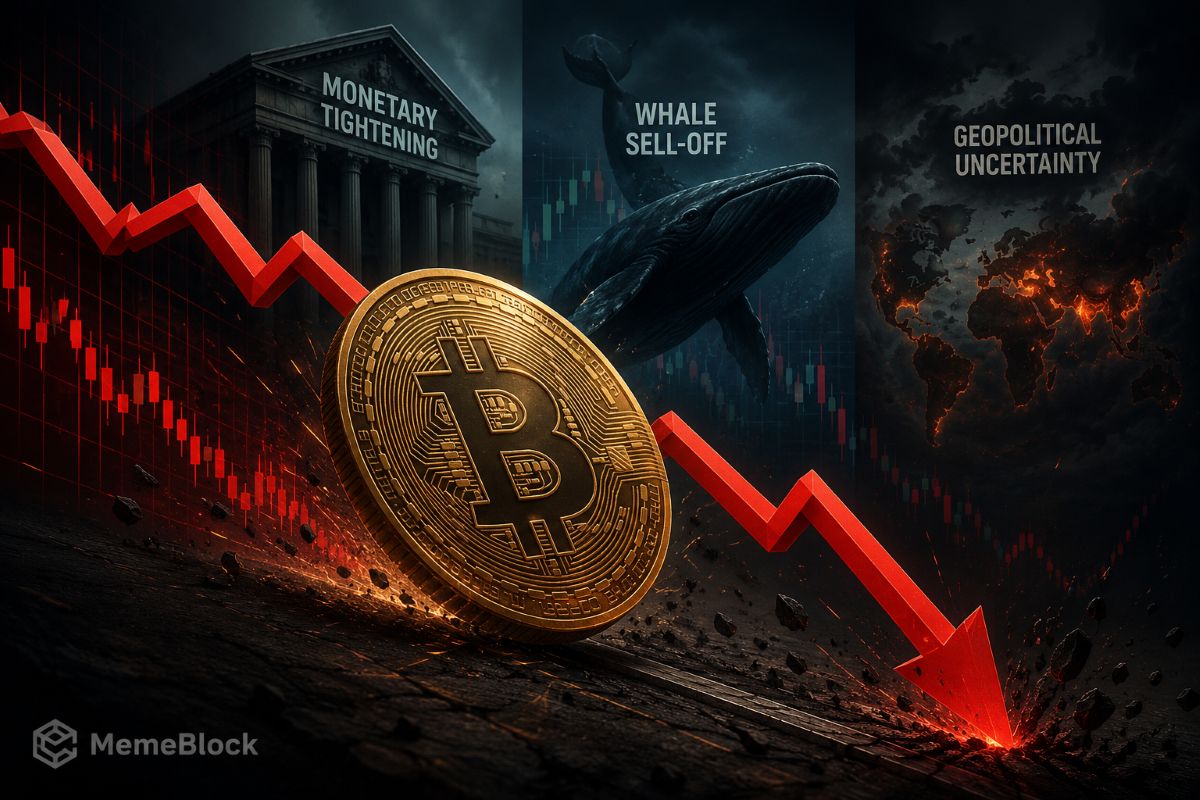
Historically, periods of geopolitical uncertainty have created mixed reactions in cryptocurrency markets. Some investors view Bitcoin as a hedge against instability, while others treat it as a risk asset that can experience sharp selloffs during periods of market stress.
The latest rally suggests that traders interpreted Trump’s comments as reducing immediate geopolitical risk, encouraging capital to flow back into digital assets.
Bitcoin Maintains Key Technical Support
Despite failing to hold above $64,000, Bitcoin’s ability to remain near $62,500 is being viewed positively by market analysts. The cryptocurrency continues to trade above several important technical support levels, preserving its broader bullish structure.
Current market data shows Bitcoin trading within a relatively strong range while maintaining significant daily trading volume. The asset remains the dominant cryptocurrency by market capitalization and continues to attract institutional and retail interest.
Traders are closely watching whether Bitcoin can establish a sustained move above the $64,000 resistance zone. A successful breakout could open the door for another leg higher, while a failure may lead to additional consolidation.
What’s Next for Bitcoin?
Looking ahead, Bitcoin’s direction will likely depend on a combination of macroeconomic factors, geopolitical developments, and investor sentiment. Any progress in U.S.-Iran negotiations could continue supporting risk assets, while renewed conflict could quickly reintroduce volatility into the market.
In addition, traders remain focused on broader economic indicators, interest-rate expectations, and institutional demand for digital assets. Bitcoin has increasingly demonstrated its sensitivity to global events, reinforcing its position as one of the most closely watched assets in modern financial markets.
For now, the cryptocurrency’s rebound toward $64,000 signals renewed confidence among investors. While short-term volatility remains likely, Bitcoin’s ability to recover from geopolitical-driven selling pressure suggests underlying demand remains strong as the market enters the second half of 2026.