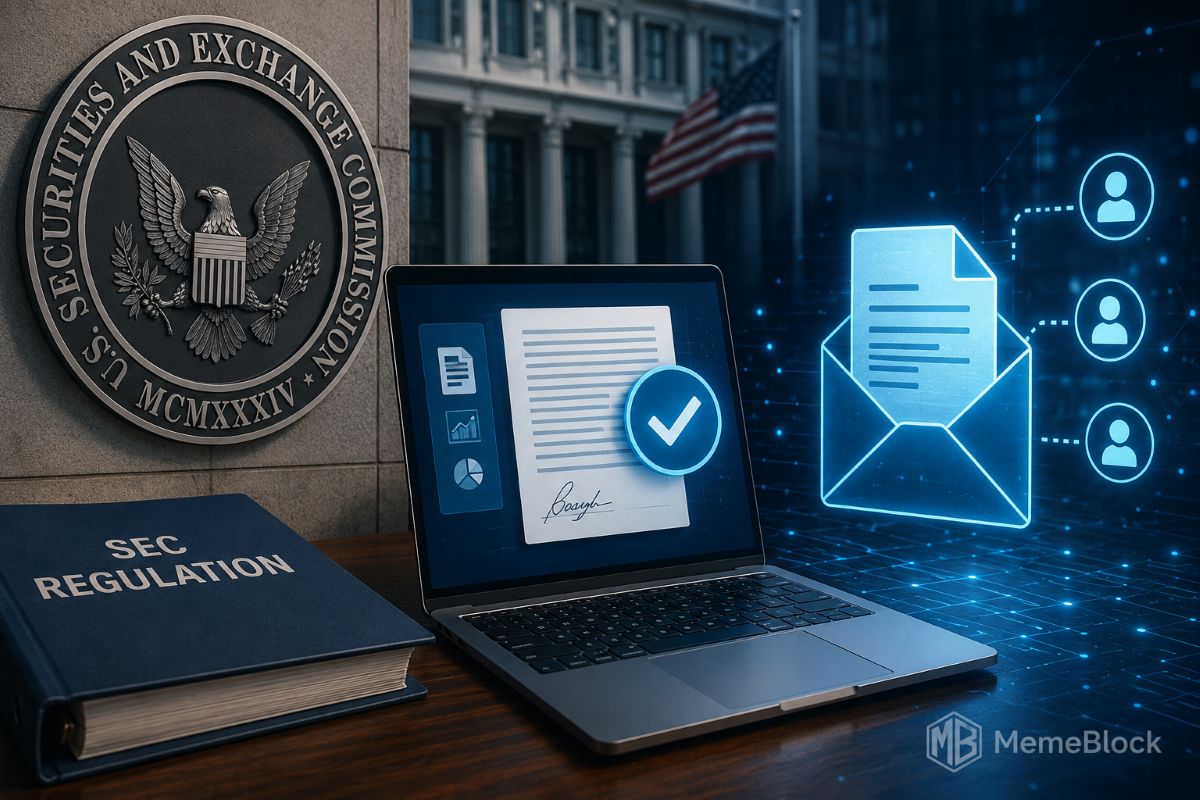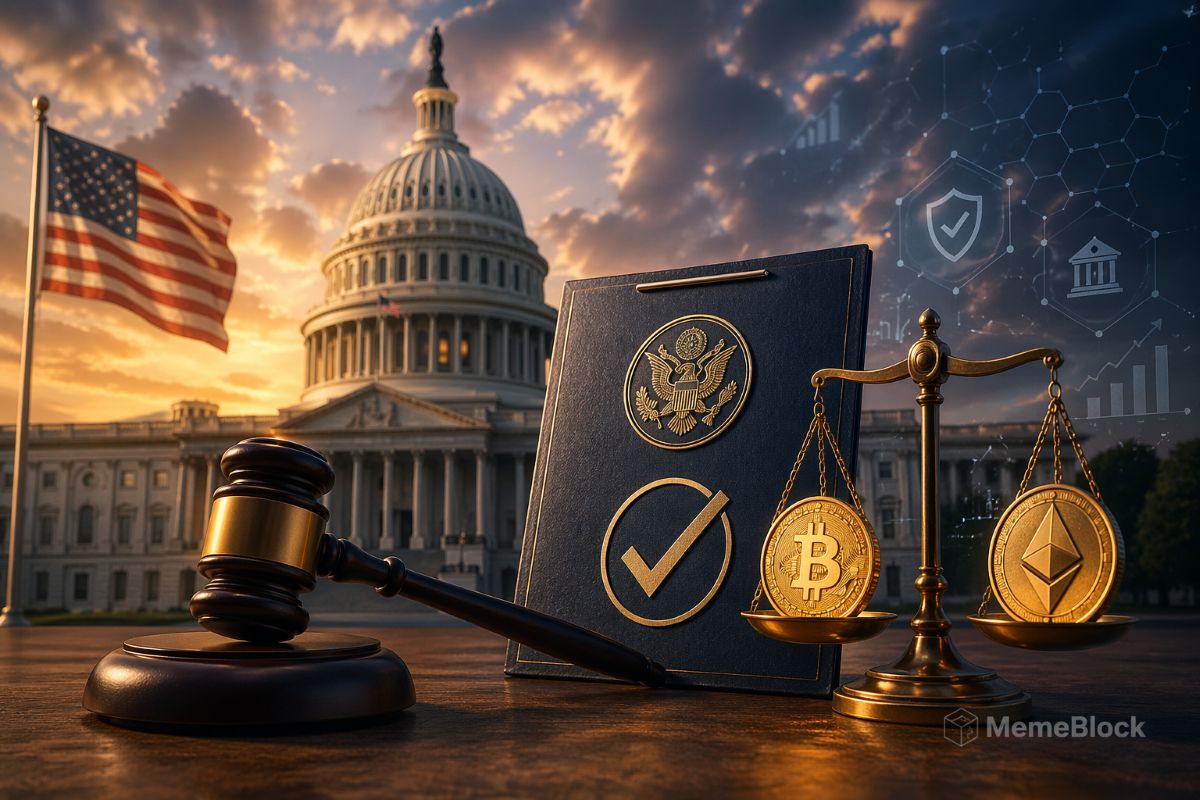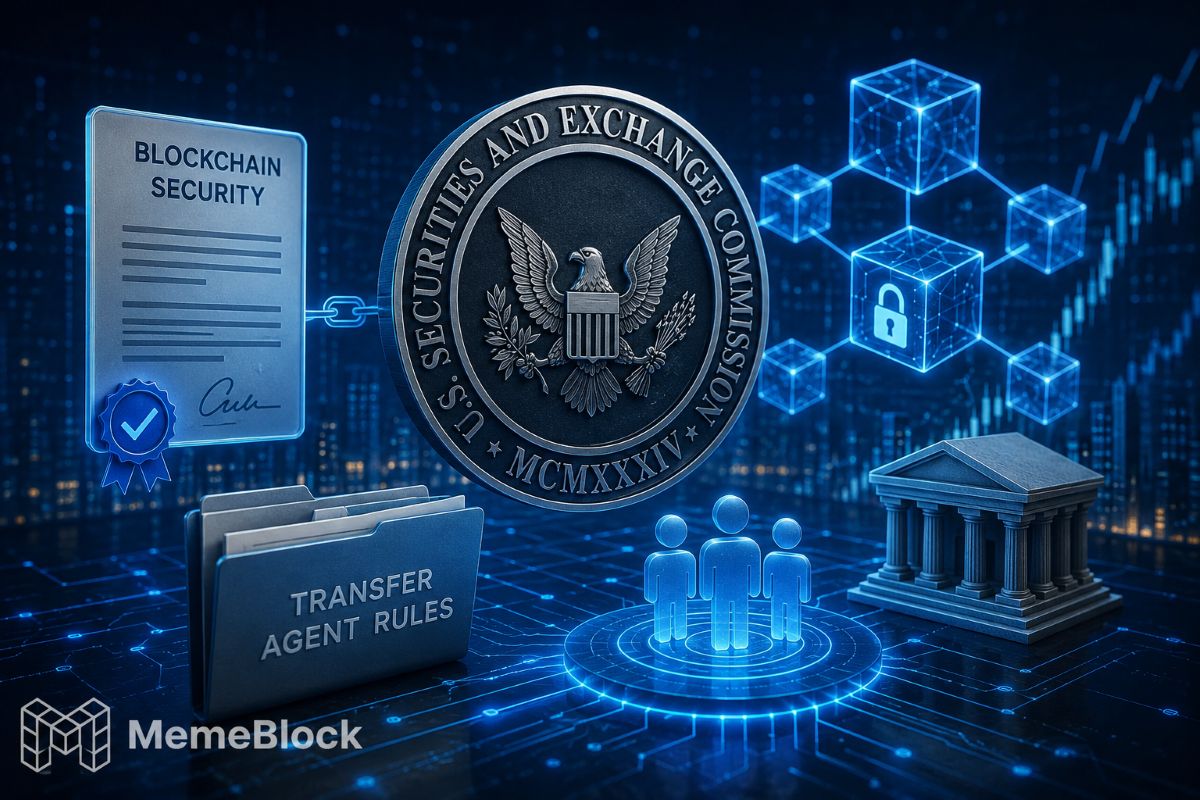
The SEC’s proposed overhaul would update decades-old transfer agent requirements for electronic records, blockchain technology and modern securities infrastructure.
The SEC transfer agent rules could undergo their most substantial modernization in decades. This comes after the U.S. Securities and Exchange Commission proposed updated requirements designed to reflect electronic recordkeeping, blockchain technology and the changing structure of securities markets.
The SEC announced the proposal on September 1, 2026, saying the existing framework has not been substantively updated since the first federal transfer agent rules were adopted in the late 1970s and early 1980s. The proposal is identified as File No. S7-2026-30 and Release No. 34-106246.
Transfer agents occupy an important position in U.S. market infrastructure. They help maintain securities ownership records. Moreover, they perform functions connected with the issuance, cancellation and transfer of securities.
The SEC’s proposal does not itself create a final rule. Instead, it opens a regulatory process. This process will allow market participants and the public to submit comments before the Commission decides whether and how to adopt changes.
SEC Transfer Agent Rules Move Toward Modern Technology
The proposed amendments would revise existing rules and forms. Furthermore, they would introduce two new rules and rescind an existing rule, according to the SEC.
A central feature is the recognition of the technological environment in which transfer agents now operate. The SEC said the proposal reflects widespread electronic recordkeeping and communications. Additionally, it reflects the broader range of services provided to issuers, investors and other market intermediaries.
SEC Chairman Paul S. Atkins said the proposal would update the framework for current market practices, including blockchain technology.
“This proposal would streamline and modernize the Commission’s rules to reflect transfer agents’ current processes and operations, including the use of electronic communications and blockchain technology in connection with securities offerings and the transfer of shares,” Atkins said in the SEC announcement.
The SEC’s fact sheet says the proposal would modernize terminology to reflect contemporary electronic recordkeeping and communications technology. It would also establish or update requirements involving turnaround standards, risk management and inactive securityholders.
The proposal would additionally introduce new rules concerning compliance and restrictive legends for registered transfer agents.
Blockchain Recordkeeping is Part of a Broader Regulatory Update
The blockchain references are notable for the digital-asset and tokenization industry, but the SEC’s proposal is broader than cryptocurrency regulation.
Transfer agents increasingly operate within a securities system that has moved far beyond paper certificates. Electronic ownership records and digital communications are now standard components of market operations. Meanwhile, tokenization has introduced new questions about how distributed ledgers may fit into regulated securities infrastructure.
SEC staff guidance has previously stated that a registered transfer agent may, under certain conditions, use distributed ledger technology as its official Master Securityholder File or as a component of that recordkeeping system. The guidance emphasizes that the transfer agent must still satisfy applicable federal securities-law requirements relating to recordkeeping, reporting, examinations and other operational obligations.
The new proposal therefore builds on an existing regulatory discussion. Rather than representing the SEC’s first recognition of blockchain-based securities records, it continues a conversation.
Commissioner Hester M. Peirce highlighted several questions raised by the proposal about how transfer-agent regulation should adapt as securities move onchain. Among them is whether existing rules should be adjusted to facilitate trading in tokenized securities. Additionally, Peirce questioned whether alternative identifiers, including digital wallet addresses, should play a role alongside traditional investor information.
Registration, Reporting and Operational Requirements Would Change
The SEC’s fact sheet provides more detail on the proposed operational changes.
Among the amendments under consideration, the Commission would extend the effective date of registration under existing Rule 17ac2-1 from 30 days after a Form TA-1 filing to 45 days. The proposal would also amend Rule 17ac2-2. Under this change, it would require an amended Form TA-2 within 60 days after a transfer agent discovers that previously filed information was materially inaccurate, incomplete or misleading at the time of filing.
The SEC is also proposing changes to the questions and instructions associated with Forms TA-1 and TA-2.
These details matter because the proposal is not limited to adding the word “blockchain” to an old regulatory framework. It combines technological modernization with changes to registration, reporting, processing standards and operational controls.
SEC Commissioner Mark T. Uyeda described transfer agents as essential infrastructure for the securities markets. He noted that they facilitate settlement and help maintain accurate securities ownership records. Also, he said the Commission’s rules had gone about four decades without a significant update.
Why The Proposal Matters for Tokenized Securities
For companies building infrastructure around tokenized equities, funds and other securities, transfer agents can be an important link between blockchain technology and regulated ownership records.
The SEC’s current guidance makes clear that technology alone does not remove regulatory responsibilities. A distributed ledger used in securities recordkeeping must still meet requirements concerning accuracy, security, accessibility and retention of records.
That distinction is important for the tokenization sector. A blockchain can record transactions and balances. However, regulated securities infrastructure also involves investor records, compliance processes, operational resilience and regulatory oversight.
The proposal may therefore provide a more updated framework for firms already operating at the intersection of traditional securities administration and distributed ledger technology.
It also arrives during a broader period of SEC rulemaking involving crypto assets. In August, the Commission separately proposed “Regulation Crypto Assets,” a different rule proposal. This was intended to establish a tailored offering framework for certain investment contracts involving crypto assets. That proposal and the transfer-agent initiative are separate rulemakings. They have different file numbers and regulatory objectives.
Risks and Unanswered Questions Remain
The most important limitation is that the transfer-agent proposal is not yet final.
The precise compliance burden for blockchain-focused transfer agents, issuers and technology providers will depend on the final regulatory text. Market participants may also seek clarification on subjects such as digital identity, wallet-based recordkeeping, third-party technology providers and the relationship between onchain and offchain records.
The SEC itself is seeking public input on the proposal. Peirce’s statement specifically raises questions about how the rules should accommodate onchain securities. Peirce also asks whether existing investor-identification requirements remain appropriate as digital systems evolve.
There is also no basis yet to conclude that the proposal will produce a specific increase in tokenized securities issuance or adoption. Such outcomes remain market-dependent. Therefore, they should not be treated as guaranteed consequences of the SEC’s action.
What Happens Next
The SEC has published the proposed rule and supporting materials on its website. According to the Commission, the public comment period will remain open for 60 days after publication of the proposal in the Federal Register.
Readers should monitor the Federal Register publication date, incoming comment letters and any changes the SEC makes before considering final adoption.
For the crypto and tokenization industry, the key issue will be whether the eventual rules provide clearer operational standards for regulated transfer agents using blockchain-based systems. Also, there is concern about whether the rules create requirements that are difficult to apply across different distributed ledger models.
For now, the SEC’s September 1 proposal represents a formal effort to bring a decades-old part of U.S. securities regulation closer to the technologies increasingly used to create, record and transfer securities.