Bitget CEO Gracy Chen says the exchange is seeking U.S. licenses and plans to establish a domestic entity despite uncertainty over federal crypto legislation.
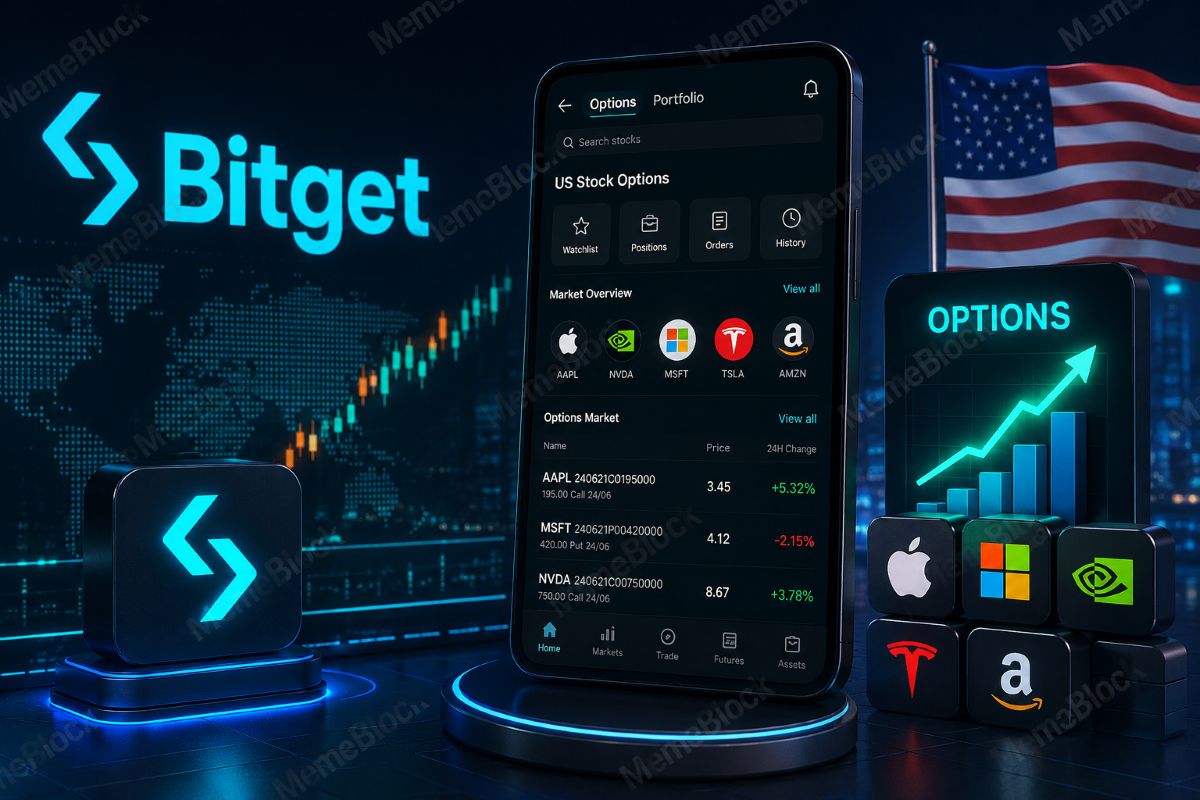
Bitget plans to enter the United States regardless of whether Congress passes the proposed CLARITY Act, marking a strategic shift for an exchange that has largely avoided the U.S. because of regulatory uncertainty. Speaking in an interview, Bitget Chief Executive Officer Gracy Chen said the company has already decided to expand into the country and is working toward obtaining the necessary licenses before launching operations. According to Chen, Bitget also intends to establish an independent U.S. entity rather than operate its global platform directly in the American market.
Bitget Says Regulatory Uncertainty Will Not Delay Its Plans
Chen said Bitget deliberately stayed away from the U.S. market since its founding because of an uncertain regulatory environment. That position changed as the company reassessed long-term growth opportunities and developments in the U.S. digital asset regulatory landscape.
According to the interview, Bitget intends to obtain relevant U.S. regulatory approvals, including licenses required for crypto-related financial services, before offering products to American users. Chen stated that the company plans to build a separate U.S. business rather than simply extending its offshore operations into the country.
The exchange has not publicly disclosed which specific state or federal licenses it has already applied for, nor has it announced a target launch date.
CLARITY Act Remains Uncertain Despite Industry Support
Bitget’s expansion plans come while Congress continues debating the Digital Asset Market CLARITY Act, legislation designed to establish a clearer framework for regulating digital assets in the United States.
The proposed bill seeks to define when digital assets fall under the jurisdiction of the Securities and Exchange Commission (SEC) or the Commodity Futures Trading Commission (CFTC), addressing one of the industry’s longest-running regulatory disputes. Supporters argue that greater legal certainty could encourage more investment and allow additional crypto firms to establish U.S. operations.
However, Chen indicated that Bitget is no longer waiting for Congress before moving ahead.
She has become less optimistic that the legislation will advance quickly as political attention shifts toward the U.S. midterm election cycle.
Expansion Reflects Broader Shift Among Global Exchanges
Bitget’s strategy mirrors a broader trend across the digital asset industry. Several international crypto companies that previously avoided the U.S. market have begun reassessing expansion plans as regulators and lawmakers work toward more comprehensive digital asset rules.
Rather than relying solely on future federal legislation, firms are increasingly preparing compliance structures that include state-level licensing, anti-money laundering controls, know-your-customer requirements and dedicated U.S.-based operating entities.
Bitget’s proposed approach suggests the company intends to compete through a fully regulated domestic business rather than serving U.S. customers from offshore jurisdictions. The company has not yet announced which products would initially become available if its licensing efforts succeed.
Why The Move Matters
The United States remains one of the world’s largest digital asset markets despite years of regulatory uncertainty.
For Bitget, entering the market would provide access to a significantly larger institutional and retail customer base while placing it in direct competition with established U.S. exchanges and regulated crypto trading platforms.
For the broader industry, the announcement illustrates that some international exchanges are increasingly willing to invest in compliance infrastructure before comprehensive federal legislation is finalized. That could reduce dependence on the legislative timetable while demonstrating confidence that regulated participation in the U.S. market remains commercially attractive.
The announcement also highlights the growing importance of licensing and regulatory readiness over waiting for complete legal certainty.
Risks and Unanswered Questions
Despite the announcement, several important questions remain unresolved.
Bitget has not disclosed:
- which licenses it has formally applied for;
- whether it intends to pursue derivatives, spot trading, custody or broker-dealer registrations;
- when the U.S. entity could become operational; or
- whether any applications have already been approved.
Separately, the CLARITY Act itself remains under consideration in Congress, meaning future regulatory requirements could still change before the legislation is finalized.
What Happens Next
Investors and industry participants will likely monitor several developments over the coming months:
- progress of the CLARITY Act through the U.S. Senate;
- announcements regarding Bitget’s U.S. licensing applications;
- establishment of the company’s independent U.S. entity; and
- any future disclosures regarding products, launch timing or regulatory approvals.
Until those milestones are confirmed, Bitget’s U.S. expansion remains a stated corporate strategy rather than a completed market launch.