A leading Swiss decentralized finance (DeFi) platform is making a strategic move into South Korea, signalling a new phase of global expansion for hybrid crypto-financial services. The Switzerland-based firm, widely identified as THORWallet, is targeting one of the world’s most active digital asset markets with a product designed to merge traditional banking features with decentralized finance tools.
The expansion reflects a broader trend of European crypto innovators entering Asia, where demand for seamless financial technology continues to accelerate. South Korea, in particular, has emerged as a critical hub for digital asset adoption, offering both high liquidity and a tech-savvy user base.
A Strategic Entry Into Asia’s Crypto Powerhouse
THORWallet’s move into South Korea is not accidental. The country ranks among the most active cryptocurrency markets globally, with millions of retail investors and some of the highest trading volumes in the world.
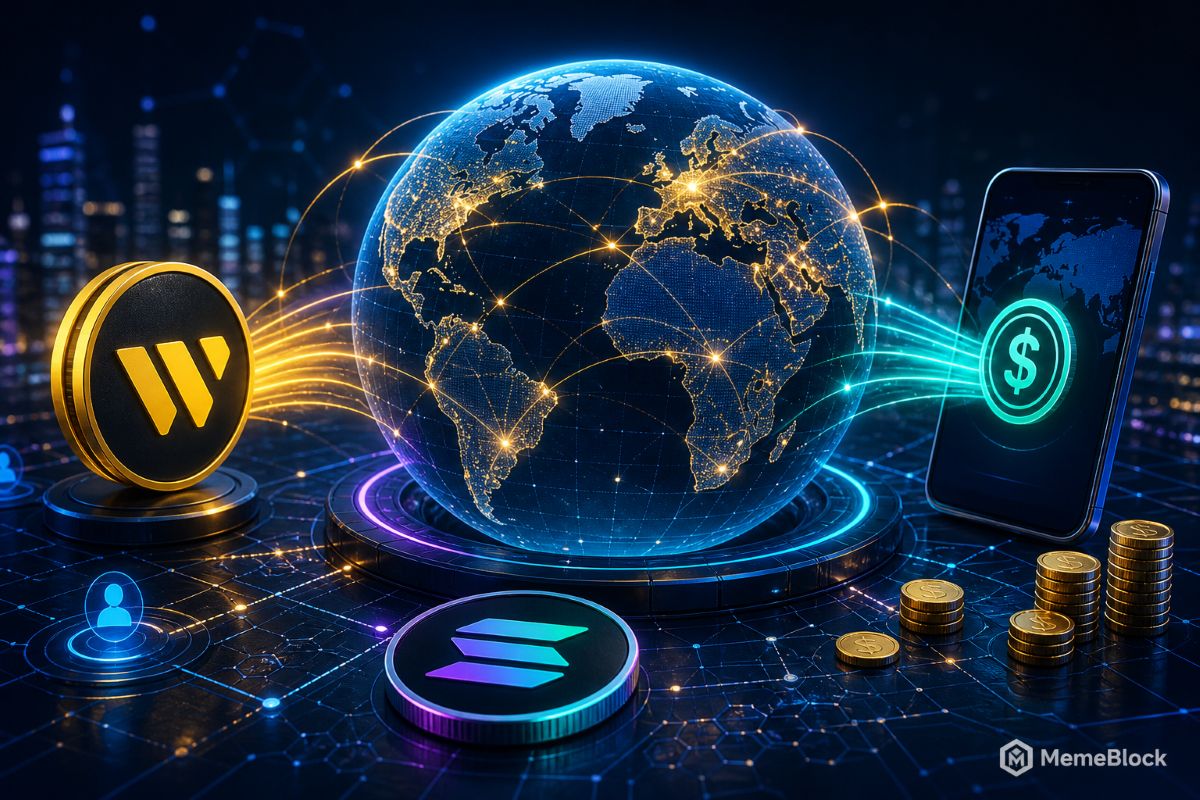
This makes South Korea an attractive destination for DeFi platforms seeking to scale quickly and tap into a mature ecosystem. The Swiss firm aims to act as a bridge between decentralized finance and traditional banking infrastructure, offering users a unified experience that includes crypto trading, payments, and fiat integration.
The platform’s hybrid model allows users to access features such as multi-currency accounts and payment cards while maintaining full custody of their digital assets. This approach addresses one of the biggest pain points in the crypto industry, balancing usability with security and control.
Bridging DeFi and Traditional Finance
At the core of the platform’s offering is its ability to connect decentralized finance protocols with real-world financial systems. Users can move funds between crypto assets and fiat currencies without relying entirely on centralized intermediaries.
This model is particularly appealing in Asia, where consumers are increasingly seeking integrated financial solutions that go beyond traditional banking. By combining DeFi capabilities with Swiss-style financial infrastructure, the platform positions itself as a next-generation fintech solution.
The company has already processed significant transaction volumes globally, indicating growing demand for such hybrid services. Its entry into South Korea aims to capture early liquidity and establish a foothold before competitors replicate similar models.
Regulatory Challenges and Opportunities
Despite the opportunity, entering South Korea’s financial market is not without hurdles. The country is actively developing a comprehensive regulatory framework for digital assets, including stricter compliance requirements for payment services and crypto platforms.
New rules require full segregation of customer funds and impose stringent operational standards, increasing the cost of entry for foreign firms.
However, these regulations also create a more secure environment for users and institutional investors, potentially benefiting well-structured platforms like THORWallet. The company appears to be positioning itself to meet these requirements while leveraging its Swiss regulatory background.
Market Timing and Competitive Landscape
Timing plays a crucial role in the platform’s expansion strategy. South Korea is currently undergoing significant changes in its crypto landscape, including efforts to reduce the dominance of major centralized exchanges and encourage innovation in decentralized systems.
This shift opens the door for DeFi platforms to gain traction, especially among users seeking alternatives to traditional exchanges. By entering the market early, the Swiss firm aims to capture a share of this evolving ecosystem.
At the same time, competition is expected to intensify as both local and international players explore similar opportunities. Success will depend on user adoption, regulatory compliance, and the platform’s ability to deliver a seamless experience.
The Future of DeFi in South Korea
The arrival of a Swiss-based DeFi platform highlights the growing convergence between traditional finance and blockchain technology. As South Korea continues to refine its regulatory framework and expand its digital asset infrastructure, the market is likely to attract more global players.
For THORWallet, the expansion represents both a challenge and an opportunity to prove that hybrid financial models can succeed in one of the world’s most demanding crypto environments.
If successful, this move could set a precedent for other DeFi platforms looking to enter Asia, accelerating the global adoption of decentralized financial services.