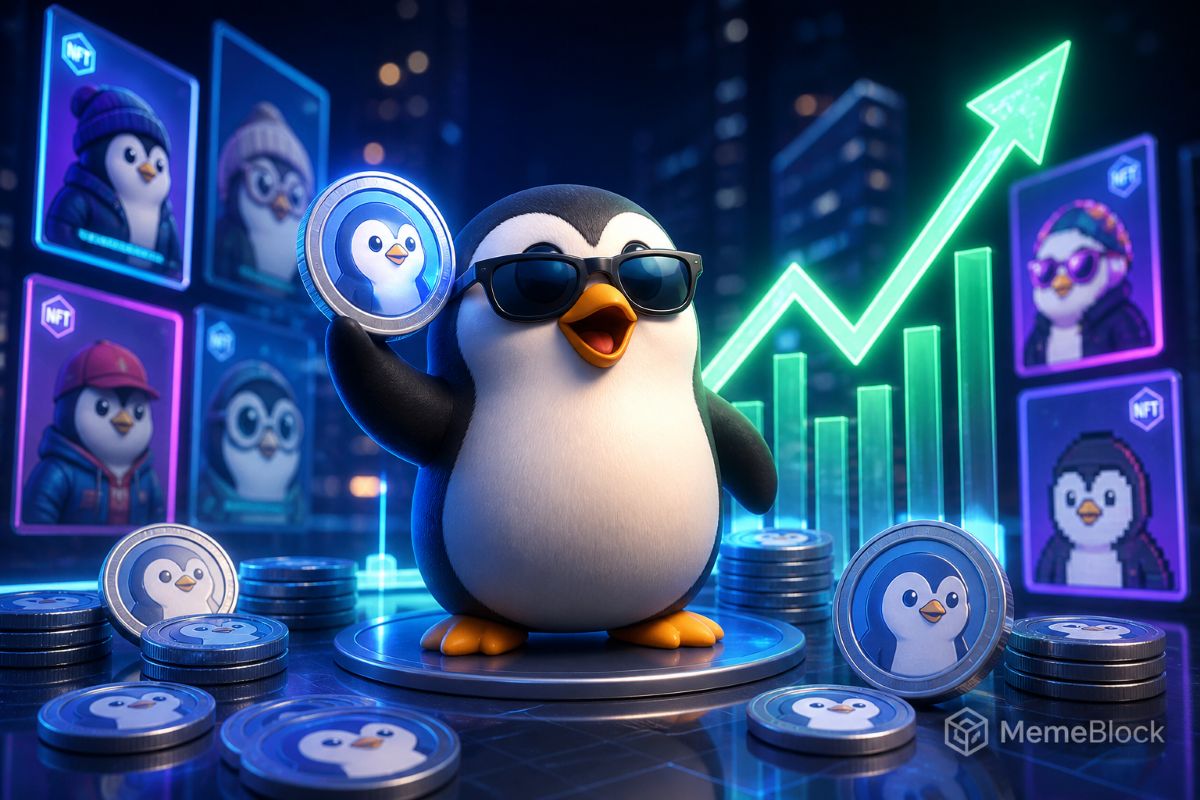
Pudgy Penguins ($PENGU) has emerged as one of the most closely watched projects in the cryptocurrency market, creating a unique bridge between the NFT sector and the rapidly evolving memecoin economy. As the project expands beyond its origins as a digital collectibles brand, investors are increasingly debating whether PENGU should be valued as an NFT ecosystem token, a community-driven memecoin, or a broader Web3 consumer brand.
Pudgy Penguins Builds a New NFT-to-Token Economy
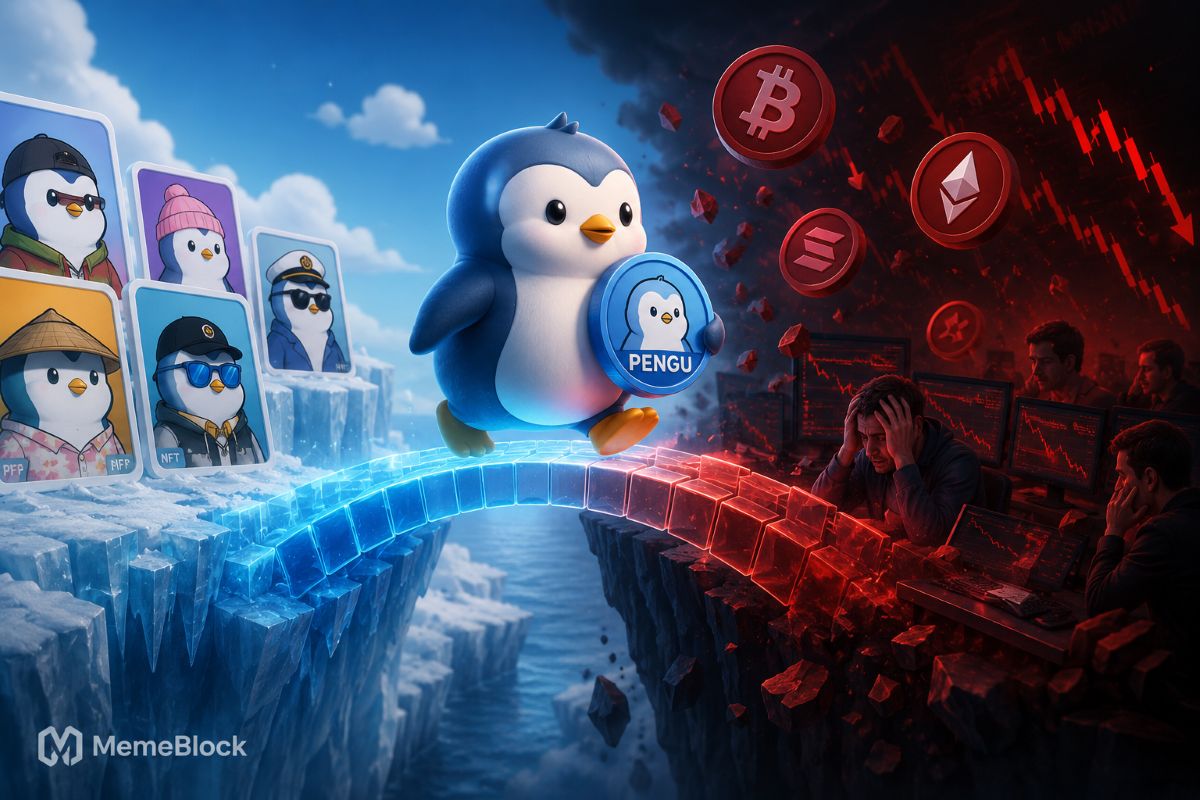
Originally launched as an Ethereum-based NFT collection featuring 8,888 unique penguin avatars, Pudgy Penguins has transformed into a multi-platform Web3 brand with physical merchandise, gaming initiatives, and blockchain integrations. The introduction of the PENGU token on Solana marked a major shift in the project’s strategy, allowing users to gain exposure to the ecosystem without purchasing high-value NFTs.
The token serves as a liquid entry point to the Pudgy Penguins community, connecting NFT holders, retail investors, gamers, and collectors. Unlike traditional NFT ownership, which requires purchasing unique digital assets, PENGU offers a more accessible way for users to participate in the ecosystem and its future growth.
This NFT-to-token bridge has significantly expanded the project’s audience and attracted investors who may have previously avoided NFT markets due to high costs or limited liquidity.
Why the Market Appears Split on PENGU
The growing popularity of PENGU has also created a divide among market participants. Some investors view the token as a natural extension of the Pudgy Penguins’ intellectual property and community, while others classify it as a speculative memecoin benefiting from brand recognition and social media momentum.
Supporters argue that PENGU has advantages over many meme-based cryptocurrencies because it is backed by a recognized NFT brand, a growing retail presence, and a large community developed over several years. The project has expanded into physical products and consumer-focused initiatives, helping it establish utility beyond pure speculation.
Critics, however, point to token volatility, ongoing token unlock schedules, and the challenges of maintaining long-term utility. They argue that the success of the token remains closely tied to community sentiment and broader cryptocurrency market conditions.
Ecosystem Expansion Fuels Investor Interest
Beyond NFTs, Pudgy Penguins has continued to grow through merchandise, gaming initiatives, and partnerships designed to bring mainstream audiences into Web3. The project’s strategy differs from many NFT collections that remained focused solely on digital ownership. Instead, Pudgy Penguins has pursued broader brand development, helping strengthen the narrative around PENGU as more than just another meme token.
Recent market activity has also demonstrated how ecosystem developments can influence token performance. Positive news surrounding the brand has often translated into increased attention for PENGU, reinforcing the close relationship between the NFT collection and its token economy.
Outlook for PENGU
Pudgy Penguins represents one of the clearest examples of an NFT project evolving into a broader token-driven ecosystem. By creating a bridge between NFTs and liquid crypto assets, PENGU has opened the door to a wider audience while maintaining strong ties to its original community.
Whether investors ultimately view PENGU as a utility token, a memecoin, or a consumer-brand asset remains an open question. What is clear is that the project has become a notable case study in how NFT brands can expand into token economies and reshape participation in Web3 markets.