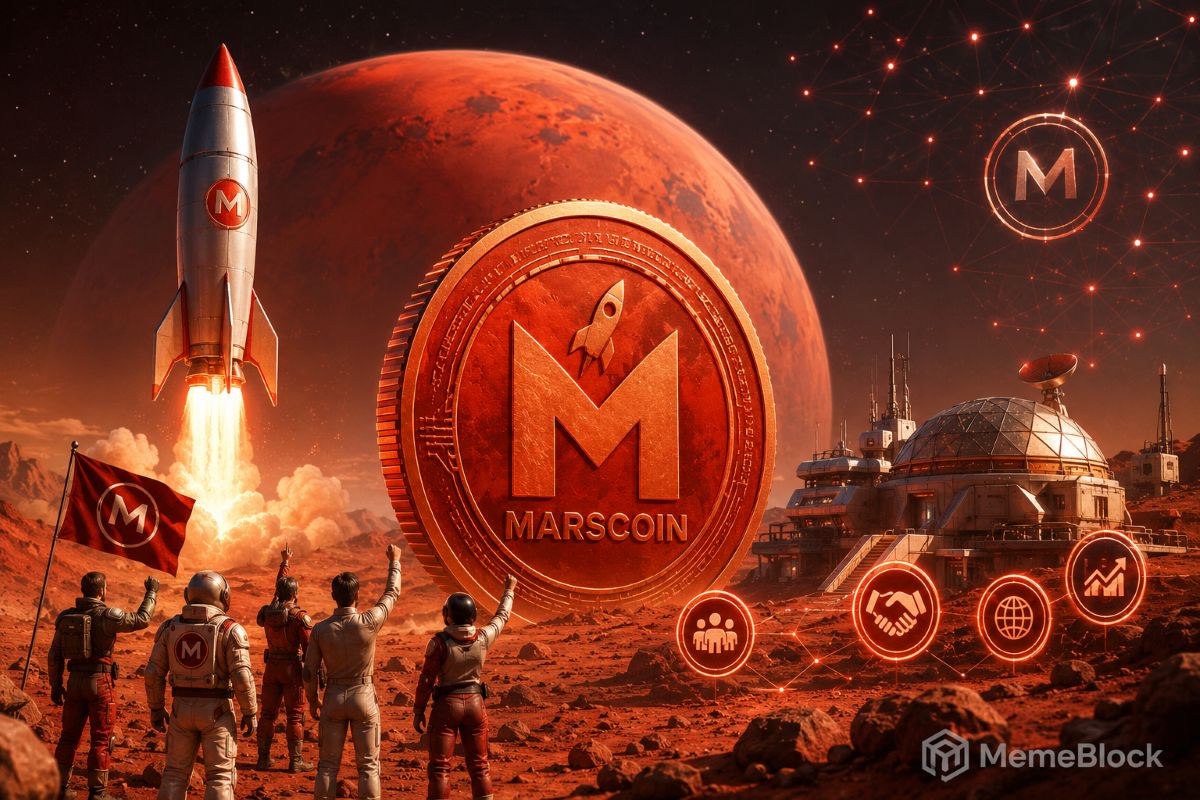
MARSCOIN ($MarsCoin) is one of several long-running community cryptocurrency projects that continues to maintain an active presence despite operating in a highly competitive digital asset market. Originally introduced as a decentralized cryptocurrency inspired by the idea of supporting future space exploration and scientific innovation, MarsCoin has evolved into a community-led project focused on peer-to-peer transactions and open-source blockchain development.
This project review examines MarsCoin’s technology, token utility, ecosystem, development direction, potential strengths, and challenges based on publicly available project documentation and community resources as of July 2026. Rather than focusing on short-term price movements, this review evaluates whether the project offers meaningful long-term utility within today’s rapidly changing cryptocurrency landscape.
What Is MARSCOIN ($MarsCoin)?
MarsCoin is a decentralized cryptocurrency designed to enable secure digital payments without relying on centralized intermediaries. Like many early blockchain projects, it operates through a distributed network where participants validate transactions and help maintain the blockchain.
The project’s vision has consistently centered on promoting decentralization while encouraging a global community interested in blockchain innovation and scientific advancement. Although MarsCoin is often associated with themes surrounding Mars exploration, the project does not represent any official organization involved in aerospace development.
Instead, MarsCoin functions as an independent open-source cryptocurrency maintained by developers and community contributors who continue supporting its network.
Blockchain Technology and Network Infrastructure
MarsCoin utilizes its own blockchain network rather than existing as a token on another smart contract platform. Transactions are processed directly through the MarsCoin blockchain, allowing users to send and receive digital assets without depending on third-party payment processors.
The network follows traditional blockchain principles including:
- Decentralized transaction validation
- Public ledger transparency
- Peer-to-peer transfers
- Open-source software development
- Community participation
Because MarsCoin operates independently, development decisions depend largely on contributors and community governance instead of a centralized company.
This decentralized structure helps reduce single points of failure while allowing anyone to review the project’s source code and participate in ecosystem development.
MARSCOIN Token Utility
Unlike many speculative meme tokens that rely primarily on social media hype, MarsCoin was created with practical cryptocurrency functionality in mind.
Current utility includes:
- Peer-to-peer cryptocurrency transfers
- Digital payments between users
- Community-driven ecosystem participation
- Storage within compatible cryptocurrency wallets
- Blockchain transaction settlement
As with many established blockchain projects, additional applications depend on continued ecosystem growth, developer adoption, and community engagement.
While MarsCoin’s utility remains relatively straightforward compared with newer smart contract ecosystems, its focus on simplicity may appeal to users seeking an independent blockchain network rather than highly complex decentralized finance platforms.
Ecosystem Development and Community
One of MarsCoin’s defining characteristics is its community-first approach.
Open-source cryptocurrency projects often rely on volunteer developers, node operators, miners or validators, and long-term supporters to maintain network activity. MarsCoin has continued operating through community participation rather than aggressive venture capital funding or large-scale institutional backing.
Project updates, software improvements, and educational resources are generally shared through the project’s official communication channels, where contributors discuss network development and future initiatives.
Like many independent blockchain projects, the pace of development depends on available contributors and community interest rather than fixed commercial product timelines.
This organic development model can provide flexibility, although it may also result in slower feature releases compared with well-funded blockchain ecosystems.
Competitive Position Within the Cryptocurrency Market
The cryptocurrency industry has changed dramatically since MarsCoin first launched.
Today’s market includes thousands of blockchain networks supporting decentralized finance (DeFi), non-fungible tokens (NFTs), artificial intelligence integrations, real-world asset tokenization, gaming, and enterprise infrastructure.
Against this backdrop, MarsCoin occupies a niche position focused primarily on maintaining a decentralized payment network.
Compared with newer blockchain ecosystems, MarsCoin currently offers:
Strengths
- Independent blockchain infrastructure
- Established project history
- Open-source development
- Community-driven governance
- Straightforward payment functionality
Limitations
- Smaller ecosystem than leading blockchain platforms
- Limited decentralized application ecosystem
- Lower mainstream visibility
- Competition from larger payment-focused cryptocurrencies
- Dependence on continued community participation
These factors make MarsCoin more suitable for users interested in supporting independent blockchain projects than those seeking extensive DeFi or Web3 functionality.
Potential Risks Investors Should Consider
Like every cryptocurrency project, MarsCoin carries risks that prospective users and investors should carefully evaluate.
The cryptocurrency market remains highly volatile, and smaller-cap digital assets often experience greater price fluctuations than established cryptocurrencies such as Bitcoin or Ethereum.
Additional considerations include:
- Liquidity may vary across exchanges.
- Ecosystem growth depends on developer activity.
- Competition from larger blockchain networks continues to increase.
- Regulatory frameworks for digital assets continue evolving across multiple jurisdictions.
- Adoption remains an important factor for long-term sustainability.
Investors should conduct independent research, review official project documentation, and understand the risks associated with digital assets before making financial decisions.
Outlook for MARSCOIN
As of July 2026, MarsCoin continues to represent an example of a long-running community blockchain project that prioritizes decentralization and open-source participation over rapid commercial expansion.
Its future success will likely depend on several factors, including continued software development, active community engagement, exchange accessibility, and broader adoption within the cryptocurrency ecosystem.
Although MarsCoin does not currently compete directly with the largest smart contract platforms or institutional blockchain networks, its independent infrastructure and dedicated community provide a foundation for ongoing development. Future progress will depend on the project’s ability to attract new contributors, expand real-world utility, and remain relevant as blockchain technology continues to evolve.
Final Assessment
MarsCoin occupies a distinctive position within the cryptocurrency sector as an independently operated, community-driven blockchain focused on decentralized digital payments. Rather than chasing every emerging blockchain trend, the project has maintained its emphasis on peer-to-peer transactions and open-source development.
For users who appreciate established community cryptocurrencies and independent blockchain networks, MarsCoin offers an interesting ecosystem to follow. At the same time, prospective participants should recognize that the project operates in an increasingly competitive environment where adoption, liquidity, and continuous development remain essential for long-term growth.
Overall, MarsCoin demonstrates the resilience often associated with community-supported blockchain projects. Whether it can expand its ecosystem and achieve broader adoption in the coming years will depend on sustained developer contributions, community engagement, and its ability to adapt to the evolving digital asset industry while preserving its decentralized principles.