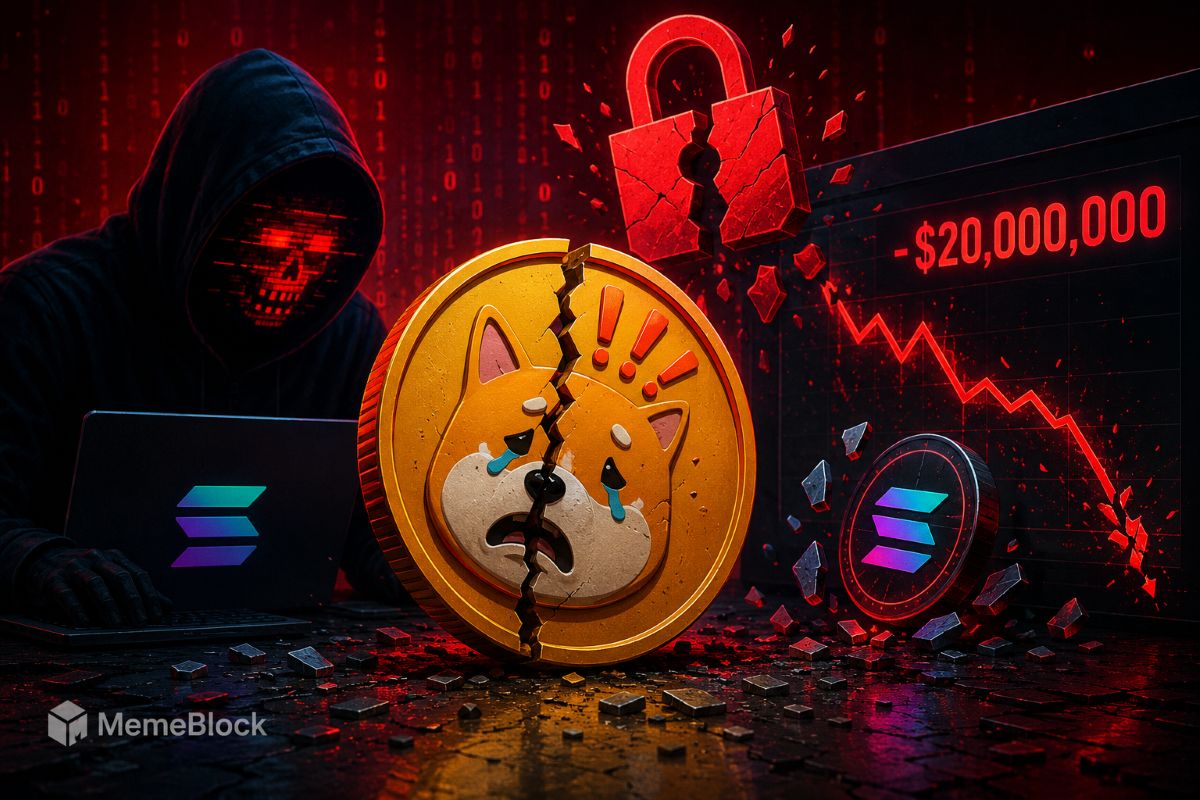
The Cardano ecosystem is facing renewed security concerns after decentralized finance project SecondFi disclosed a critical vulnerability that may have exposed users to losses exceeding $20 million. The incident has quickly become one of the most discussed topics in the Cardano community. As a result, questions are being raised about wallet security, infrastructure reliability, and risk management across blockchain applications.
What Happened to SecondFi?
SecondFi revealed that a security breach originated from a flaw in its wallet-generation software. According to the project’s initial findings, the vulnerability allowed unauthorized access to certain wallet credentials. This potentially exposed user funds stored within affected accounts. Following the discovery, the platform suspended services and entered maintenance mode. Meanwhile, investigations continued.
The project initially estimated losses at approximately 16 million ADA. However, blockchain security researchers believe the total impact could be substantially higher once all affected wallets and assets are analyzed.
Experts Warn Losses Could Exceed $20 Million
Blockchain security firm SlowMist conducted an independent review of the incident and suggested that total losses could theoretically surpass $20 million. Security analysts traced suspicious fund movements. In addition, they identified a wider range of potentially compromised wallets than originally reported.
According to the analysis, affected holdings may include both ADA and other Cardano-based assets. While the final figure remains under investigation, the warning has intensified concerns among users who previously interacted with SecondFi-generated wallets.
The platform has advised users to transfer funds to newly created wallets and avoid relying on potentially compromised wallet credentials. This should be done until the security audit is completed.
Why This Incident Matters for Cardano
Security incidents often affect investor confidence regardless of whether vulnerabilities originate from the blockchain itself or third-party applications. In this case, the flaw appears linked to SecondFi’s wallet-generation infrastructure rather than the underlying Cardano network.
Even so, the event highlights the importance of secure wallet development and thorough code auditing within decentralized ecosystems. As Cardano continues expanding its DeFi footprint, users increasingly rely on third-party services for staking, lending, trading, and asset management.
The incident serves as a reminder that application-layer vulnerabilities remain one of the biggest risks facing crypto users. Even when the base blockchain remains secure, such risks persist.
SecondFi’s Response and Ongoing Investigation
SecondFi has launched an internal investigation while working with external security experts to determine the full extent of the breach. The project stated that an independent technical audit is underway. Furthermore, additional details will be released once the review is completed.
At the time of writing, no official compensation framework or reimbursement timeline has been announced. The absence of a recovery plan has left many affected users awaiting further clarification from the development team.
Meanwhile, security researchers have warned users to remain cautious of phishing attempts and fake support channels. These often emerge following high-profile crypto security incidents.
What ADA Holders Should Watch Next
The coming days will be crucial for both SecondFi and the broader Cardano ecosystem. Investors will closely monitor the results of the ongoing audit, the confirmed scale of losses, and any remediation measures proposed by the project team.
If the estimated losses ultimately exceed $20 million, the incident could become one of the most significant security events in Cardano’s DeFi sector this year. For now, users are being urged to review wallet security practices, migrate funds if necessary, and follow official updates as the investigation continues.